
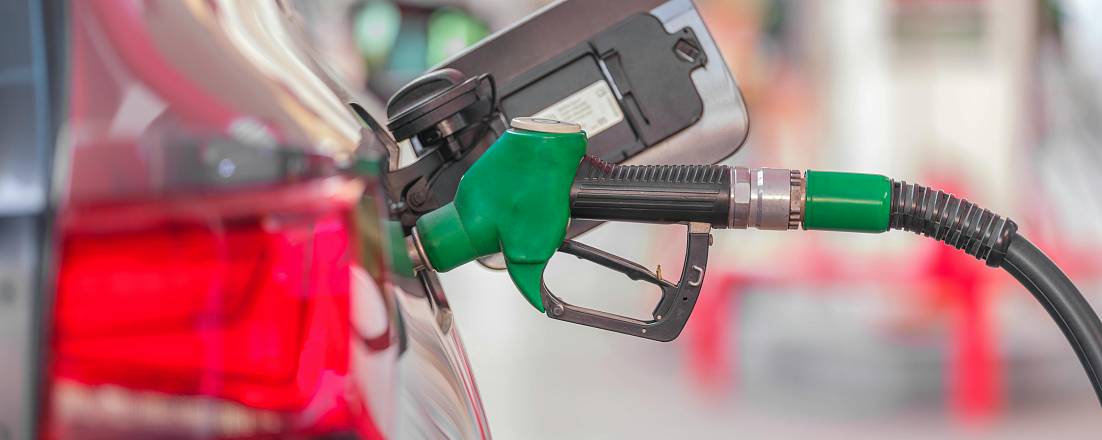
Christodoulos Christodoulou, Chairman of the Cyprus Petrol Station Owners Association, has warned that petrol and diesel prices could rise again as early as this week. According to his estimate, the cost of a litre of both types of fuel could increase by another 2–3 cents.
The reason is the continued high level of global oil prices. According to Christodoulou, the price of a barrel remained at around $108–109 for several days, and the increase in wholesale prices has not yet been fully reflected at filling stations in Cyprus. At the same time, the source cited states that on September 15 the price per barrel reached slightly more than $106, while by Monday evening it had fallen to around $90.
However, the price of oil is not the only factor. Cyprus has no oil refineries of its own and imports finished petroleum products, including from refineries in Greece. As a result, the final fuel price is also affected by Greek refinery prices and supply conditions.
As of October 6, 2026, the average price of 95-octane petrol in Cyprus is around €1.744 per litre, while diesel costs €2.028. The lowest recorded prices are €1.669 for petrol and €1.939 for diesel. At some filling stations, prices are significantly higher. In Limassol, for example, the average diesel price is around €2.035 per litre, with prices ranging from approximately €1.988 to €2.126.
Cypriots are spending smaller amounts on fuel
Rising prices are already affecting the behaviour of motorists. According to market representatives, some drivers have started buying smaller amounts of fuel and often spend just €20 per visit to the filling station.
Petrol station owners believe the government could provide more support to motorists. One of their arguments concerns VAT: when a litre of fuel cost €1.20, the state received around 19 cents in VAT per litre. At a price of €1.90–€2.00, VAT revenue rises to around 32 cents per litre. Against this backdrop, consumer representatives are also calling for additional support measures.
Marios Drousiotis, Chairman of the Cyprus Consumers Association, believes that a reduction in fuel prices at filling stations is unlikely in the coming days. He also said that the current 8.33-cent-per-litre reduction in fuel excise duty does not necessarily reach motorists in full. The Cyprus government has extended this measure until November 30, 2026. The total cost of the extension is estimated at €15.4 million.
Drousiotis also noted that after the measure was introduced in April, 19 filling stations did not reduce their retail prices at all. According to him, government representatives said at the time that this was not illegal.
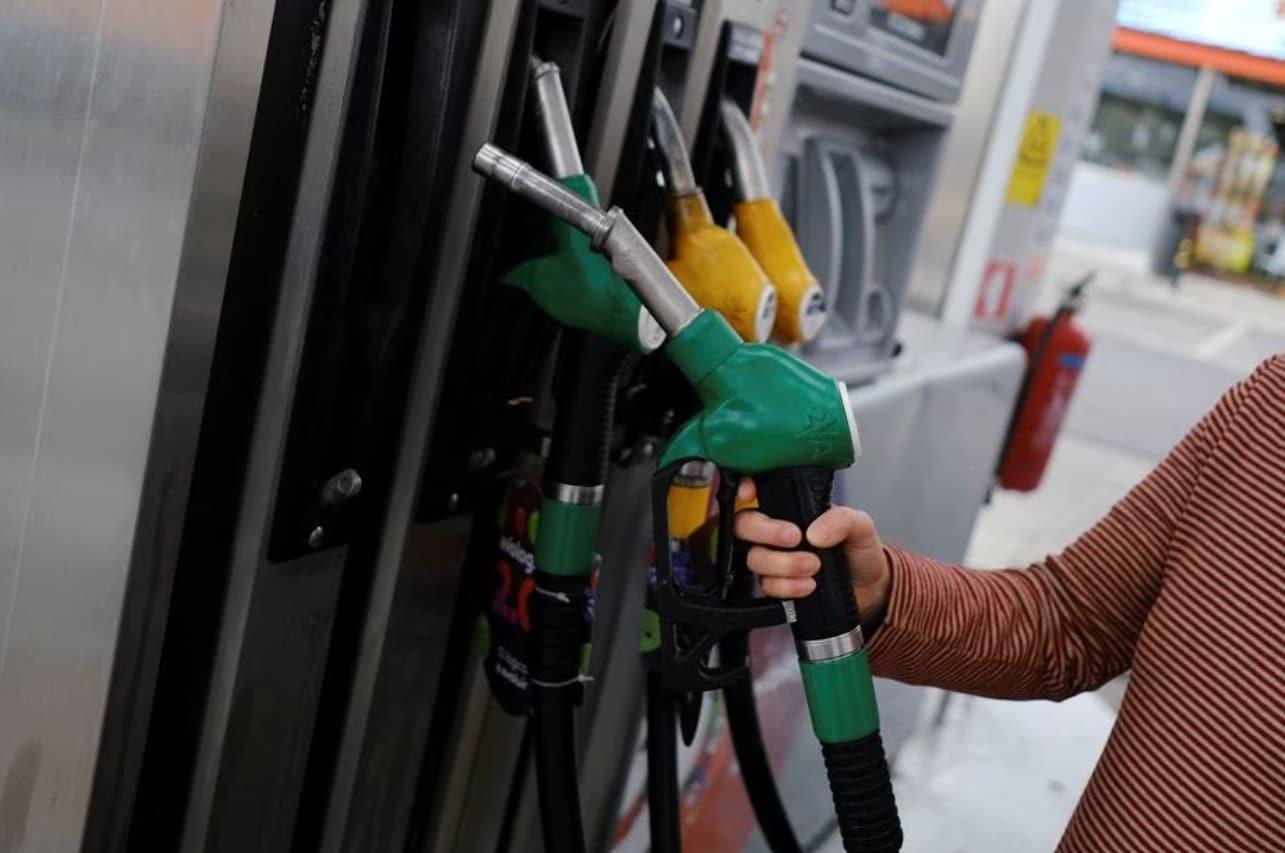
Why fuel prices remain high
The situation in Cyprus is directly linked to the international energy market. On September 29, Cyprus Energy Minister Michalis Damianos called on the European Union to provide additional support and funding to reduce the impact of the energy crisis and high energy costs on households and businesses. European Commissioner for Energy Dan Jørgensen said that the situation remains unstable because of geopolitical tensions and problems surrounding the Strait of Hormuz. According to him, EU countries have already spent more than €100 billion extra on fossil fuel imports since the beginning of the conflict without receiving any additional volume of energy.
Recent data also indicate continued pressure on the global market. According to Reuters on October 5, supply disruptions and limited refining capacity continue to support high oil and petroleum product prices. For Cyprus, the problem is particularly sensitive because of the island’s dependence on fuel imports. As a result, even a decline in global oil prices does not always quickly translate into lower petrol and diesel prices at local filling stations.
European countries are already introducing fuel price caps
Against the backdrop of the energy crisis, some European countries are moving towards more direct measures to support motorists. In Italy, energy company Eni introduced maximum fuel prices across its network from September 28: €2.19 per litre for diesel and €1.99 per litre for petrol. The cap was initially introduced for 30 days, with the possibility of extending it until the end of the year depending on market conditions. The company attributed the decision to reduced petroleum product supply on the international market and a shortage of refining capacity in Europe. Nearly 30 refineries have closed across the continent over the past 15 years.
Similar measures have begun spreading to other networks in Italy. In particular, SOCAR, through the Italiana Petroli network, agreed to follow the established price level, while Q8 announced its own price cap from October 1. Cyprus currently has no comparable general cap on retail petrol and diesel prices. The authorities are using an excise-duty reduction, which remains in force until November 30, 2026, but future fuel price trends will largely depend on global oil prices, refining costs and the cost of supplying petroleum products to the island.
A wide selection of cars is available on DOMCar.
Photos: pixabay.com