The first electric car appeared in Cyprus much earlier than is generally assumed. A review of corporate archives and publications from that period shows that the history of electric transport on the island dates back at least to the mid-1990s. The oldest fully electric passenger car that could be documented was the Danish KEWET El-Jet. It did not transform the market and left almost no trace, but it really existed — and it really was driven.
1994: KEWET El-Jet and Caramondani’s first attempt
The official history of the Caramondani Group states that in 1996 the company imported the “first electric car” to Cyprus together with electric motorcycles. However, a publication based on a Cypriot report from 1996 dates the purchase of the specific vehicle even earlier — to 1994.
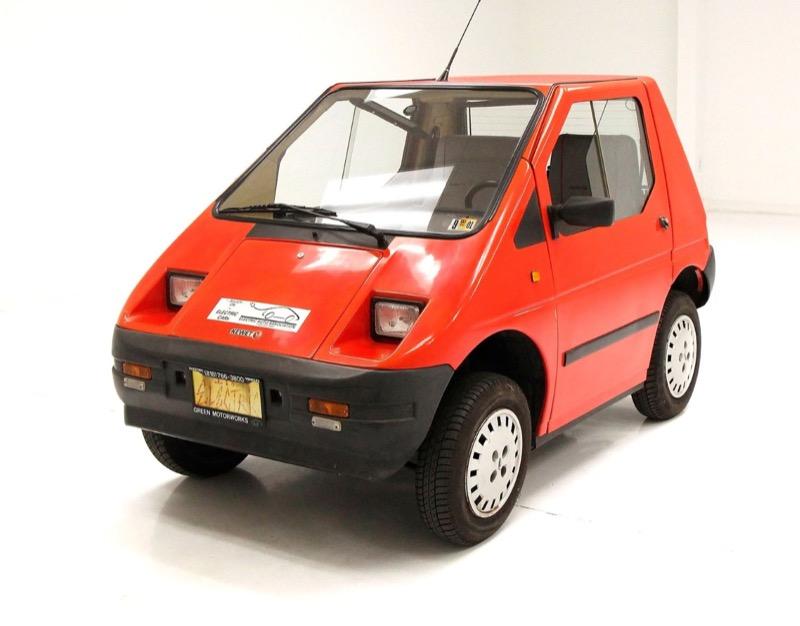
The vehicle in question was the KEWET El-Jet, a small two-seater electric car manufactured in Denmark and intended primarily for urban travel. KEWET was founded in Denmark in 1988 and produced its first car in 1991. To keep costs down, its designers used proven and relatively inexpensive solutions: a direct-current motor and lead-acid batteries. The car received European certification and was exported to several countries.
According to surviving accounts, Caramondani bought the vehicle in Denmark for 5,000 Cyprus pounds and used it in Cyprus, including for courier deliveries. However, its capabilities were extremely limited. A charge was enough for around 100 km, while there were no public charging stations on the island at all at the time. Another problem was bureaucratic: Cyprus had no registration category for electric cars, so the KEWET was ultimately registered as a “diesel vehicle”.
Today, this KEWET is regarded as the earliest documented attempt to use an electric car in Cyprus. However, it was not a commercial sale to the general public, but rather a private or corporate experiment.
2006: REVA and the start of organised sales
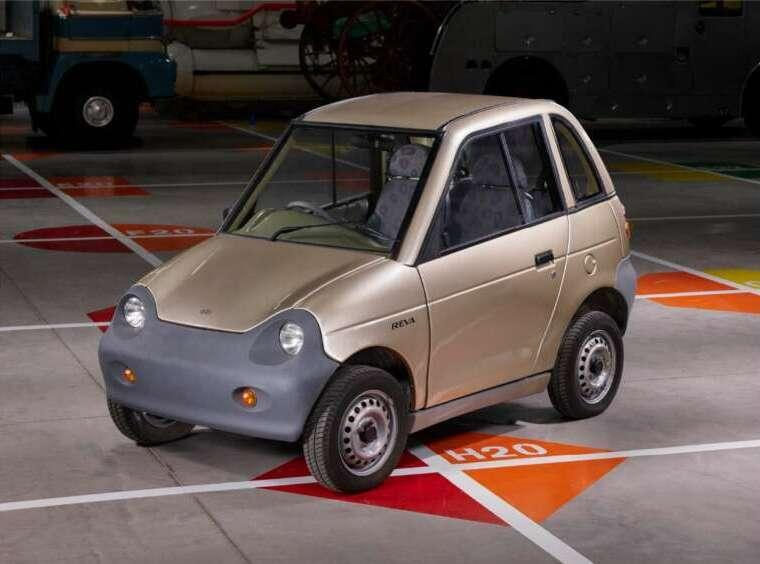
Between 1994 and 2006, the history of electric cars in Cyprus saw little development. The real shift came in early 2006, when REVA Phaedra Electricity Mobility Ltd imported 30 Indian REVA electric cars to the island.
This was no longer a single experimental vehicle, but an organised attempt to sell electric cars to the public. REVA Phaedra was the exclusive distributor of REVA in Cyprus and Greece and aimed to reach 60 sales by August 2006. REVA was a product of the Indian Reva Electric Car Company, founded in 1994 as a joint venture between the Maini Group and California-based AEV LLC. The model entered the market in 2001 and became India’s first mass-produced zero-emission electric car.
The Cyprus version of the REVA was equipped with a lead-acid battery, had a range of 60–80 km and could be charged from a standard 13-amp socket, with a full charge taking around six hours. By today’s standards, the figures are modest. But in 2006, the very possibility of buying a zero-emission car in Cyprus was genuinely revolutionary. REVA remains a candidate for the title of the first electric car to be systematically offered to Cypriot buyers.
The arrival of major manufacturers: Mitsubishi i-MiEV and Fairways
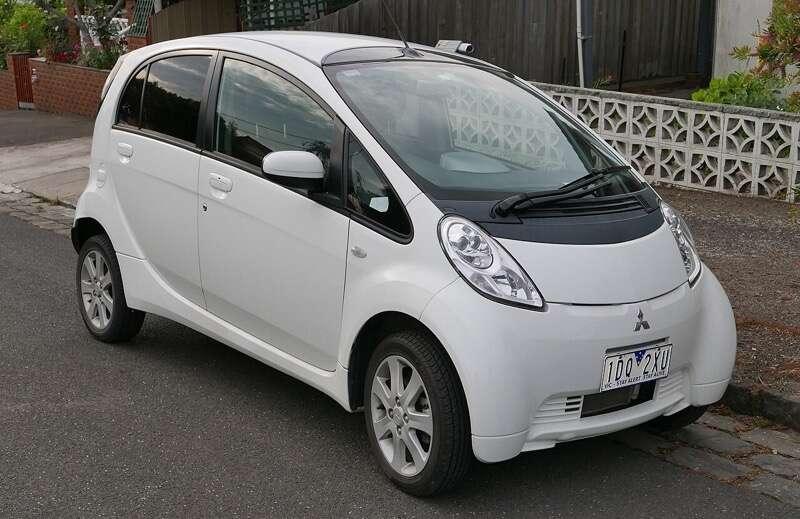
The next major step was the arrival of an electric car from one of Japan’s largest car manufacturers. Mitsubishi officially describes the i-MiEV as “the first of a new generation of mass-produced 100% electric vehicles”. The history of the i-MiEV began with the Mitsubishi “i” concept shown at the Frankfurt Motor Show in 2003. The production version launched in Japan in 2009 with a 16 kWh lithium-ion battery, a 47 kW motor (around 63 horsepower) and a range of approximately 160 km under the Japanese testing standard.
In Cyprus, the i-MiEV was associated with Fairways, which at the time was Mitsubishi’s distributor. The car did appear at exhibitions in Cyprus. However, no surviving Fairways primary sources or contemporary publications have been found that give an exact date for the start of sales in Cyprus. What is known is that the price was so high that the model did not achieve commercial success on the island.
The real breakthrough: Nissan Leaf and the Pilakoutas Group
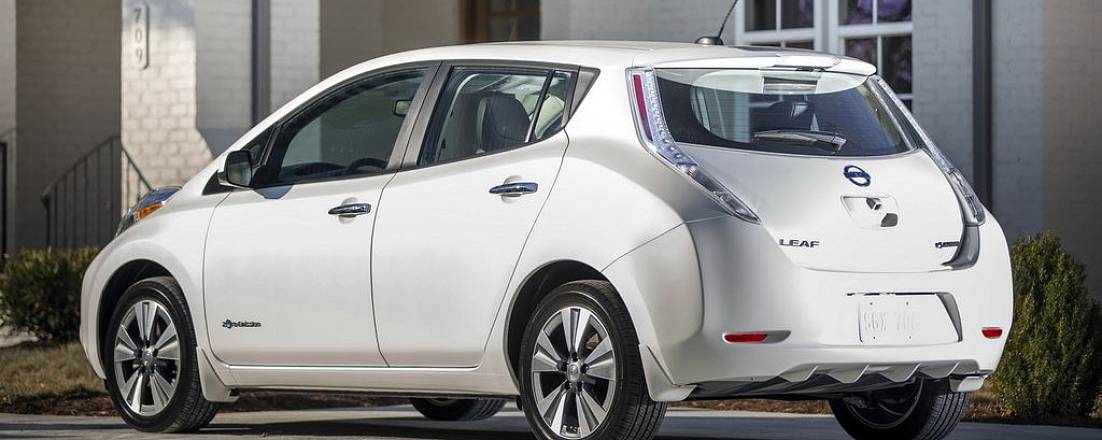
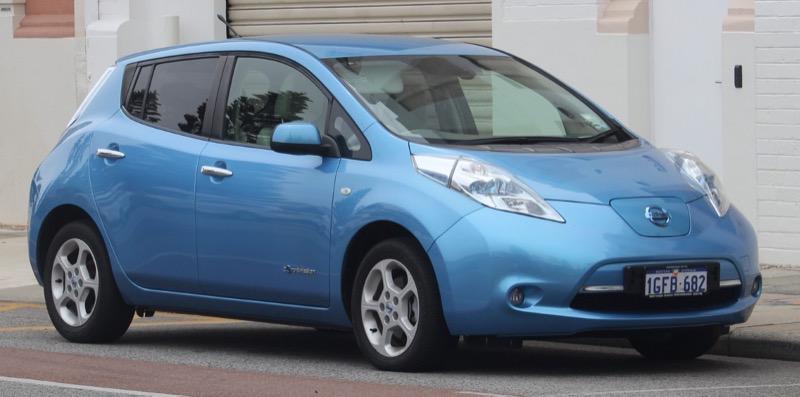
If the earlier models merely prepared the ground, the Nissan Leaf genuinely brought electric transport in Cyprus into the realm of the ordinary family car. Nissan presented the Leaf as the “first 100% electric car for the mass market”. Since its debut in 2010, around 700,000 Leafs have been sold worldwide, making it one of the most significant models in the history of electric vehicles. The first generation was equipped with an 80 kW motor (109 horsepower) and a 24 kWh battery and was designed from the outset for everyday use.
In Cyprus, the Leaf was promoted by New Nissan Cyprus, part of the Pilakoutas Group. In December 2015, the group held a press event in Nicosia, officially presenting the Leaf to the Cypriot market. According to official information at the time, the car could be charged at home and at 17 charging stations operating on the island. The battery came with an 8-year warranty, while the claimed range was 250 km. In March 2018, the Pilakoutas Group presented the second-generation Leaf, with a range of 378 km and the same eight-year battery warranty.
The Leaf was not Cyprus’s first electric car. But it played a decisive role in turning electric transport from a niche technology into a genuine alternative for Cypriot drivers.
From history to the present day: where electric cars stand in Cyprus now
Over three decades, electric cars have still not become particularly popular in Cyprus. In 2024, 2.22 thousand new electric vehicles were registered on the island. In 2025, the figure was almost unchanged at 2,223 cars. During the first five months of 2026, 905 electric vehicles were registered, compared with 9,373 hybrids over the same period.
At the same time, the market is growing. According to the Cyprus Statistical Service, the share of electric vehicles in new passenger-car registrations increased from 3.8% in 2024 to 4.8% in 2025, while the share of hybrids rose from 36.7% to 44.1%. In other words, almost half of all new passenger cars registered in Cyprus in 2025 were already hybrids or electric vehicles.
Chinese brands are changing the balance of power. BYD registered 144 electric cars during the whole of 2025 and already 240 during the first five months of 2026, capturing 26.5% of the Cyprus electric-vehicle market. The company recently announced plans to open a new authorised service centre and spare-parts warehouse in Nicosia to strengthen after-sales support.
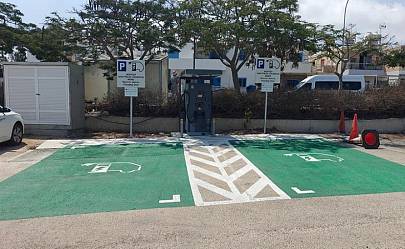
Charging infrastructure is also developing. The Cyprus Ministry of Transport is actively installing fast-charging stations at key locations — from Kato Pyrgos and Troodos to Choirokoitia, Paphos and Polis Chrysochous. Investment has already exceeded €918,000.
Thirty years have passed since that red KEWET, which in 1994 could travel only a few dozen kilometres around Nicosia, and today’s electric cars, capable of covering hundreds of kilometres with the support of a charging network across the island. For a country where electric cars still accounted for less than 5% of new registrations in 2025, the stories of KEWET, REVA and Leaf represent the first tracks on a very long road.
A wide selection of cars is available on DOMCar.
Photos: pixabay.com, DOM