
Premium сars and motorcycles in Cyprus
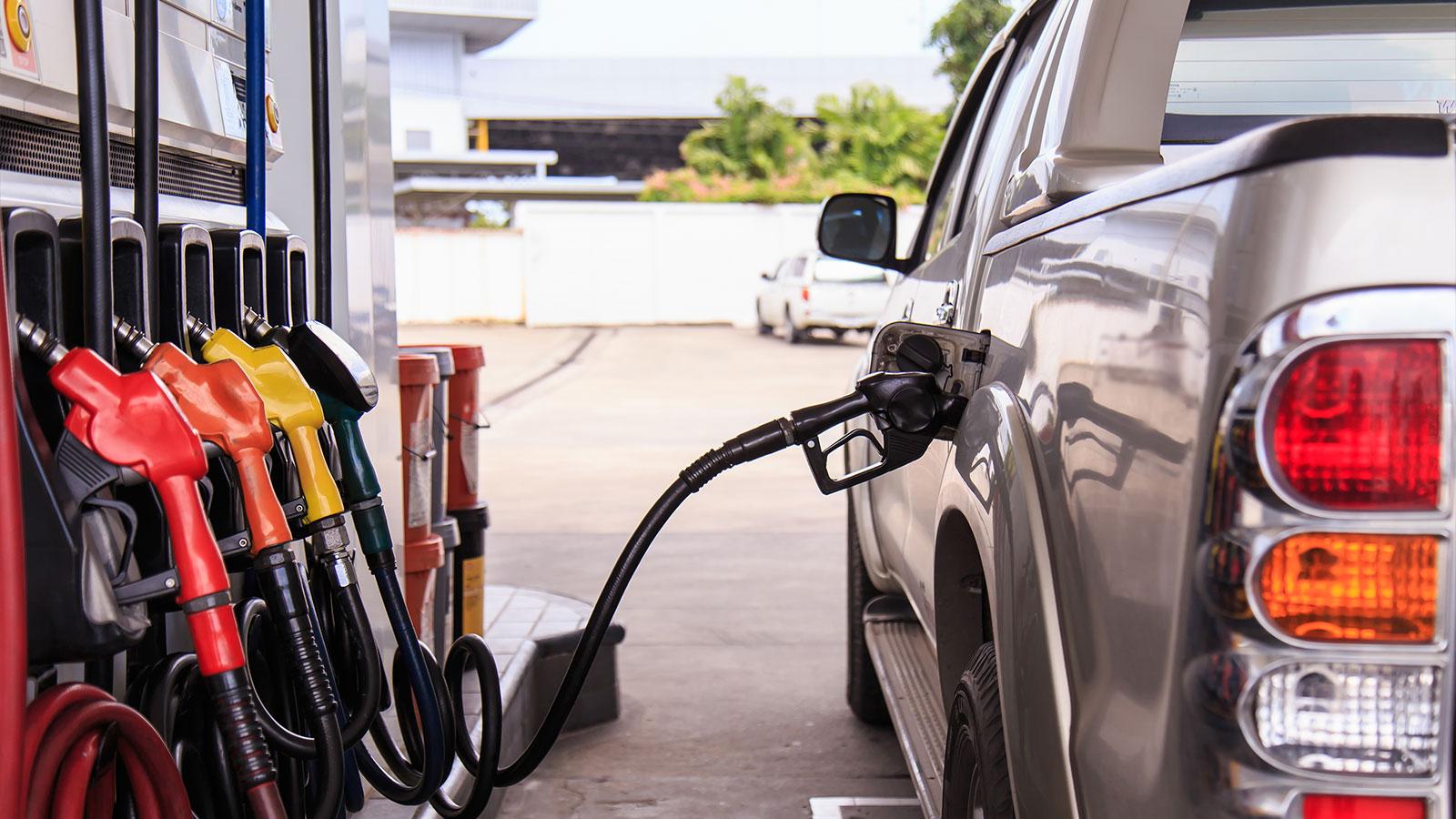
The Cyprus government intends to extend the reduced excise duty on motor fuels for another two months. The decision has been approved by the Council of Ministers and is aimed at supporting households and businesses amid continued instability in global energy markets.
The reduced tax rate, which has been in effect since April 2026, was due to expire at the end of June. However, the government has decided to keep the measure in place until August 31 to help cushion the impact of high energy prices and transport costs.
Why the Government Decided to Extend the Measure
Government spokesperson Konstantinos Letymbiotis announced the extension of the tax relief. According to him, the reduced excise duty will remain in force from July 1 through August 31, 2026.
The government noted that although global energy prices have shown signs of declining, they remain above normal levels. Ongoing geopolitical tensions in various parts of the world continue to affect international oil and fuel markets and are cited as the main reason for the persistent uncertainty. According to the Ministry of Finance, extending the reduced excise duty will cost the state budget approximately €12 million.
What Excise Rates Will Remain in Place
Following the decision, the reduced excise duty rates will remain unchanged. The reduction amounts to 8.33 cents per litre for petrol and 6 cents per litre for diesel fuel. As a result, motorists will continue to pay less than they would under the standard tax rate.
During the busy tourist season and a period of high transport demand, the measure helps contain costs for both residents and businesses. Economists note that maintaining the reduced excise duty is particularly important for transport companies, delivery services, and businesses whose operations depend directly on fuel prices.
It is worth recalling that the government previously abandoned plans to introduce the so-called "green taxes" on fuel. The proposed environmental levy was expected to increase retail fuel prices by approximately 9 cents per litre. However, amid high inflation and the rising cost of living, the authorities decided to postpone the initiative.
Parliament Has the Final Say
Despite the Cabinet's approval, the extension of the reduced excise duty must still be approved by Parliament. The proposal is expected to be submitted to lawmakers before the end of the month. According to Parliament's current schedule, only one plenary session remains before the end of June. Experts believe the measure has a strong chance of being approved, as lower fuel prices remain one of the government's most popular initiatives.
During previous parliamentary debates, some MPs proposed going further by reducing VAT on fuel. However, representatives of the European Commission have previously explained that such a measure would conflict with existing European Union legislation.
As an EU member state, Cyprus must comply with common European tax rules and cannot independently introduce a reduced VAT rate on motor fuels. For this reason, the government has chosen to support consumers through a reduction in excise duty, which remains a legally permitted mechanism.
Competition with the Northern Part of the Island Remains a Challenge
Fuel prices in Cyprus continue to be the subject of debate for another reason. Many petrol station owners complain about competition from the northern part of the island, where a different tax regime applies. Politician Marinos Sizopoulos has previously pointed out that fuel stations in the Republic of Cyprus face unequal competitive conditions.
VAT on fuel was abolished in the north of the island on March 19, allowing prices to fall significantly for consumers. Since European Union legislation does not apply in that territory, the Republic of Cyprus cannot introduce identical tax measures.
What Lies Ahead for Fuel Prices
Energy market analysts believe fuel prices in the second half of 2026 will depend primarily on global oil prices and the geopolitical situation. With ongoing conflicts in various regions and continued uncertainty in international markets, governments across Europe are trying to strike a balance between environmental policy and keeping fuel affordable for consumers.
For Cyprus, fuel prices remain particularly sensitive because the island's economy relies far more heavily on road transport than many other European countries. As a result, extending the reduced excise duty until the end of August is seen as an important measure to support residents, the tourism industry, and businesses during the peak summer season.
A wide selection of vehicles is available on the DOMCar portal.