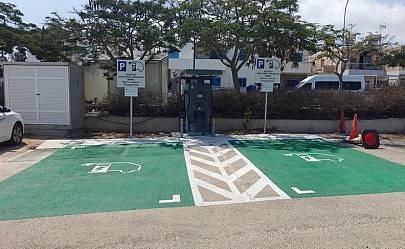
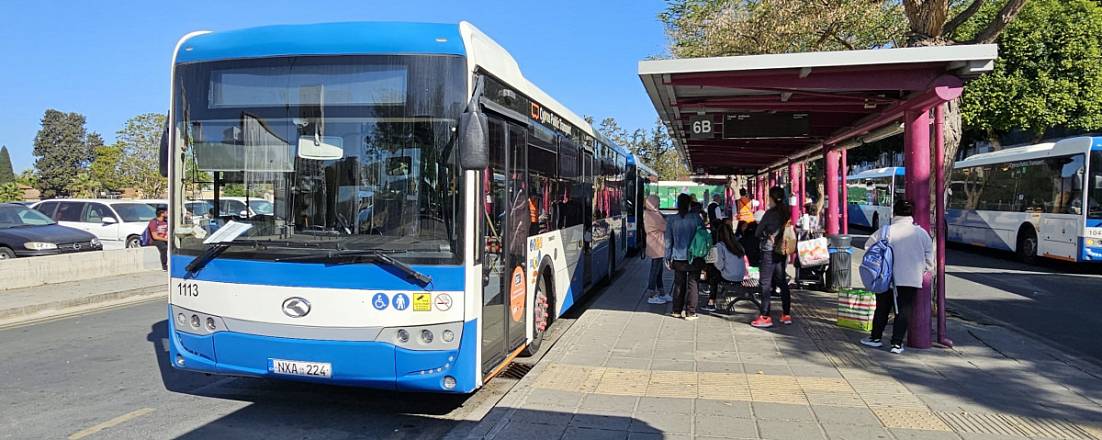
Cyprus residents are being encouraged to use private cars less often and switch to public transportation. However, the results of a review of bus services in Nicosia conducted by the Audit Office raise questions about the financial benefits of doing so.
Why a bus trip can cost €9.60
One example is a route from Latsia to Engomi, where a Citizen Service Center is located. According to the Audit Office report, a one-way trip costs about €4.80. The return trip costs the same amount, bringing the total round-trip cost to approximately €9.60. In addition to ticket prices, the review found problems with schedules, passenger information, bus stops, and service frequency.
The Latsia-to-Engomi example shows that public transportation does not always provide significant savings. This also raises the question of how attractive bus travel remains for passengers who need to make transfers or use several routes during the day. The Audit Office also drew attention to travel time. If a bus trip takes significantly longer than driving, the financial advantage of public transportation becomes less obvious.
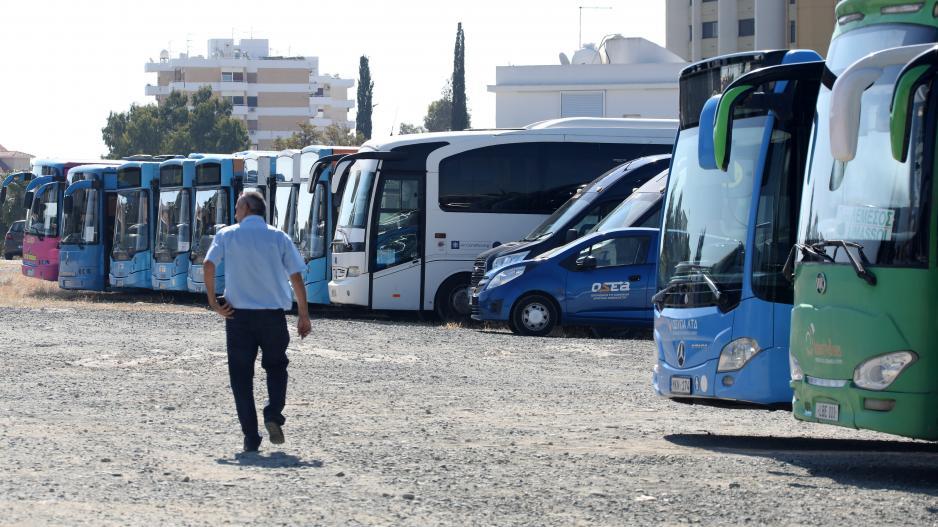
The problem is not just ticket prices
Even when taking the bus is cheaper than driving, passengers consider other factors as well, including waiting time, total travel time, and whether buses follow the schedule. For someone who needs to arrive at work on time or make an appointment at a government office, route reliability and sufficient service frequency are essential.
The assessment of bus services in Nicosia identified shortcomings in passenger information, infrastructure conditions, and service organization. These problems can make public transportation less attractive even when fares are considered reasonable. If residents are to rely less on private cars, bus services must be not only affordable but also convenient for everyday travel.
63% of participants said they would not choose the bus again
Dissatisfaction with service quality was also reflected in the survey results. A total of 63% of participants said they would not choose the bus again for future trips. The assessment involved 110 Audit Office employees. From November 10 to December 1, 2025, they used Nicosia buses as ordinary passengers to evaluate how public transportation works in practice. It is important to note that these results reflect the opinions of the participants in the review and are not a representative survey of all passengers in the capital. Nevertheless, they point to problems encountered by the evaluators.
The findings raise questions about the effectiveness of efforts to reduce car traffic. If Cyprus residents are expected to use buses more often, public transportation needs to be affordable, fast, and reliable.
This means evaluating not only ticket prices but also passengers’ overall costs, the convenience of transfers, route duration, service frequency, and the quality of information available at bus stops. Another question is whether the Ministry of Transport is considering ways to make bus travel more competitive with private cars.
The example of a €9.60 round trip shows that calls for sustainable mobility alone are not enough. If public transportation takes more time and does not always save money, convincing drivers to switch to buses will be difficult.
A wide selection of cars is available on DOMCar.
Photos: dialogos.com.cy