
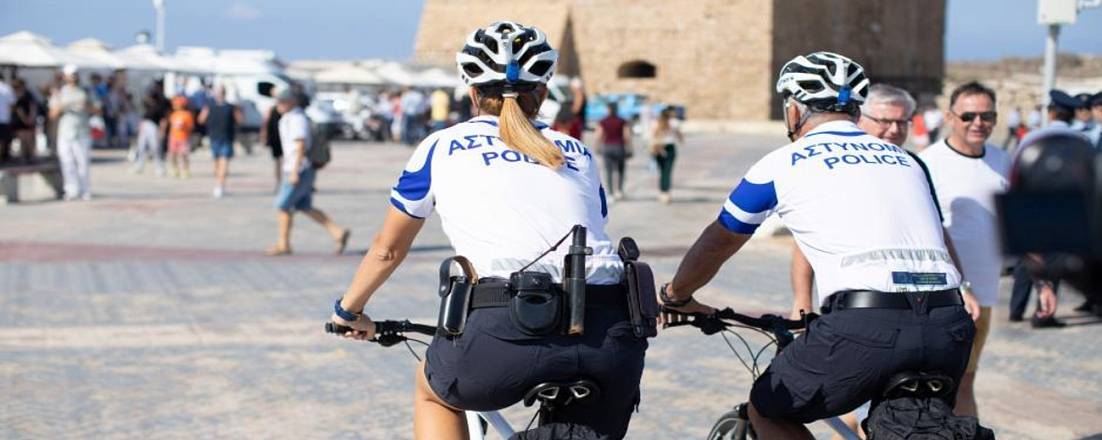
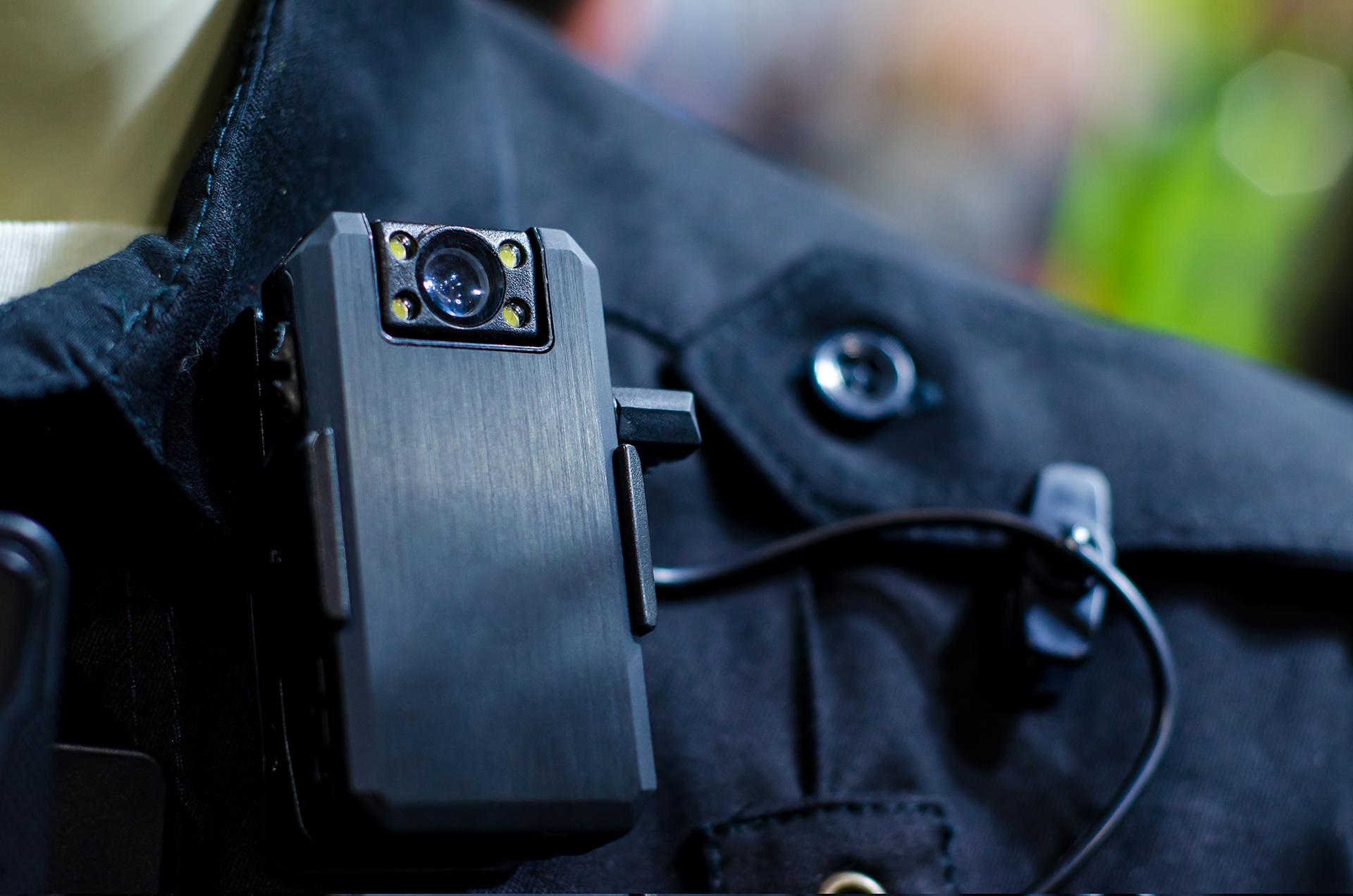
Cyprus Police is preparing for the large-scale introduction of body-worn cameras. A tender for the purchase of the equipment will be announced shortly, while the technical requirements for the project have already been finalised. The government has allocated around €2 million for the implementation of the programme.
At the first stage, the police will purchase more than 1,000 portable cameras to be attached to officers' uniforms. The system is expected to be expanded later to other units that regularly interact with the public. For comparison, as of 2024, the Cyprus Police had around 5,200 officers.
Who will receive body cameras first?
The first to receive body cameras will be so-called “frontline” officers — patrol officers who work on the streets every day, respond to calls, carry out checks and maintain public order. The project includes not only the purchase of equipment but also the creation of a modern digital system for storing video footage. The €2 million budget covers:
- the purchase of video cameras;
- software for storing and processing recordings;
- the creation of a secure data management system.
The authorities are still deciding whether the cameras will be attached to special vests or used with officers' existing equipment. According to the Ministry of Justice and Public Order, the introduction of such technology is in line with European practices. Body-worn cameras are already used by police forces in the United Kingdom, Germany, France, the Netherlands and several other EU countries.
When can police officers activate the cameras?
The use of body cameras is strictly regulated by law. Continuous recording is not permitted — officers may activate the device only in situations specified by legislation. These include:
- arresting a person;
- conducting a personal search;
- checking documents or a vehicle;
- searching premises;
- pursuing suspects;
- working at a crime scene;
- dealing with mass disturbances;
- carrying out high-risk operations.
The latter category includes:
- terrorist attacks;
- kidnappings;
- armed robberies;
- shootings;
- suppressing mass disturbances;
- enforcing court orders.
In addition, the law allows video cameras to be installed in patrol vehicles, including unmarked police cars. They will be able to record road incidents, pursuits of offenders and other police operations. The legal framework for the introduction of the system was established by Law 53(I)/2026, adopted by parliament in March 2026 and entering into force on 8 April 2026.
How will citizens' personal data be protected?
One of the project's key objectives is to comply with personal data protection legislation. Where circumstances allow, a police officer must inform citizens in advance that video recording is about to begin. Exceptions apply only in cases where giving such a warning is impossible or could interfere with a covert operation. While recording is in progress, a light indicator on the device will show that the camera is active. The system will automatically record:
- the date of the recording;
- the exact time;
- the officer's location;
- the time when the camera is activated and deactivated.
Before the system becomes operational, all police officers will undergo special training on the use of the equipment and the handling of personal data.
How long will recordings be stored?
All video footage will be stored in encrypted form in a separate secure database. If a recording is not required for an investigation or court proceedings, it will be automatically deleted after six months. Video footage related to criminal, disciplinary or civil cases may be retained for significantly longer periods and used as official evidence in court.
The authorities expect the introduction of body-worn cameras to increase public trust in the police, reduce the number of conflicts between officers and citizens, and help establish the circumstances of incidents objectively. Similar systems have already proved effective in many European countries, where they have helped reduce the number of complaints against police officers and speed up the investigation of incidents.
A wide selection of cars is available on the DOMCar portal.
Photos: DOM, Pixabay