Buying an executive-class car is always an investment in comfort, prestige, and, as many assume, reliability. However, fresh data from authoritative 2026 studies paint a different picture. Some models from the world of premium sedans and wagons cause their owners so many problems that time spent in the workshop begins to rival time spent on the road.
The British portal What Car? conducted a large-scale survey of owners of cars up to five years old, while J.D. Power published its annual reliability ranking. The results were surprising: brands with impeccable reputations ended up in the anti-ranking. In this article, we take a look at the 10 most problematic executive cars in 2026, so you know which models to avoid or what to expect when buying one.
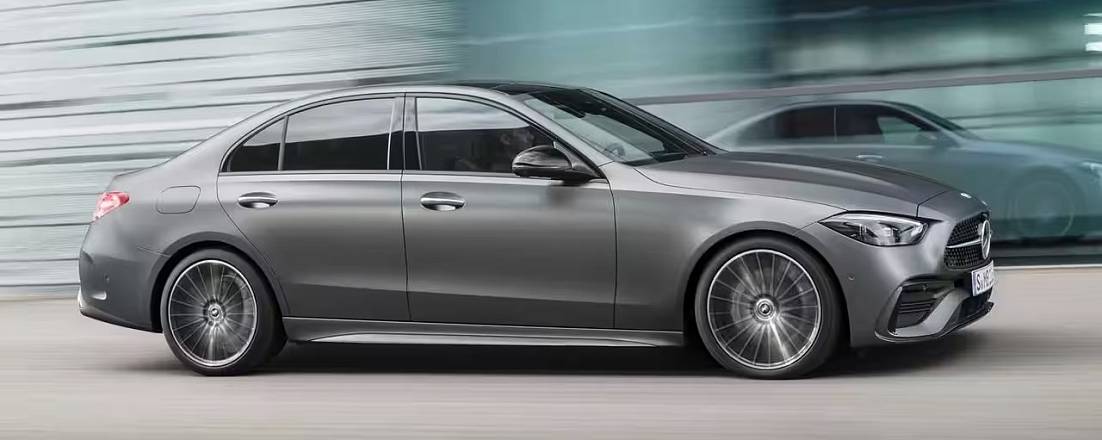
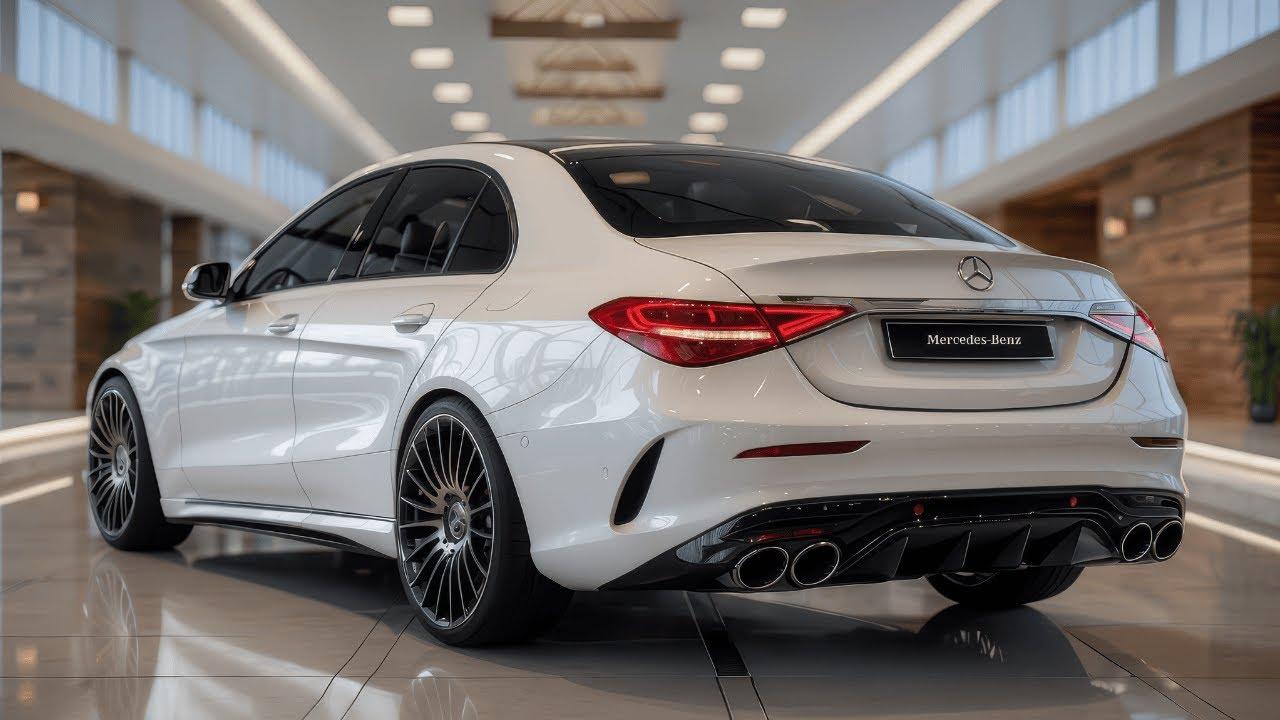
New-Generation Mercedes-Benz C-Class: Anti-Ranking Leader with a 43% Failure Rate
The current generation of the Mercedes-Benz C-Class, produced since 2021, topped the list of the most unreliable executive cars according to What Car? — 43% of owners reported various faults during the first years of ownership. This is a striking figure for a car positioned as the embodiment of German quality. For comparison, the previous generation C-Class (2014–2021) caused problems for only 23% of owners. In other words, reliability has nearly halved.
The main risk areas in the new C-Class are related to the engine — 14% of complaints concerned the powertrain. Another 10% of faults were linked to the air conditioning, transmission, fuel system, and electronics. Most concerning of all: 39% of cars with faults were completely undrivable until repaired. In 43% of cases, vehicles spent more than a week in the workshop. There is some good news, however: all repair costs were covered by the manufacturer. Still, the negative impression remains.
Volvo S90 and V90: Scandinavian Crisis with 47% of Cars Affected
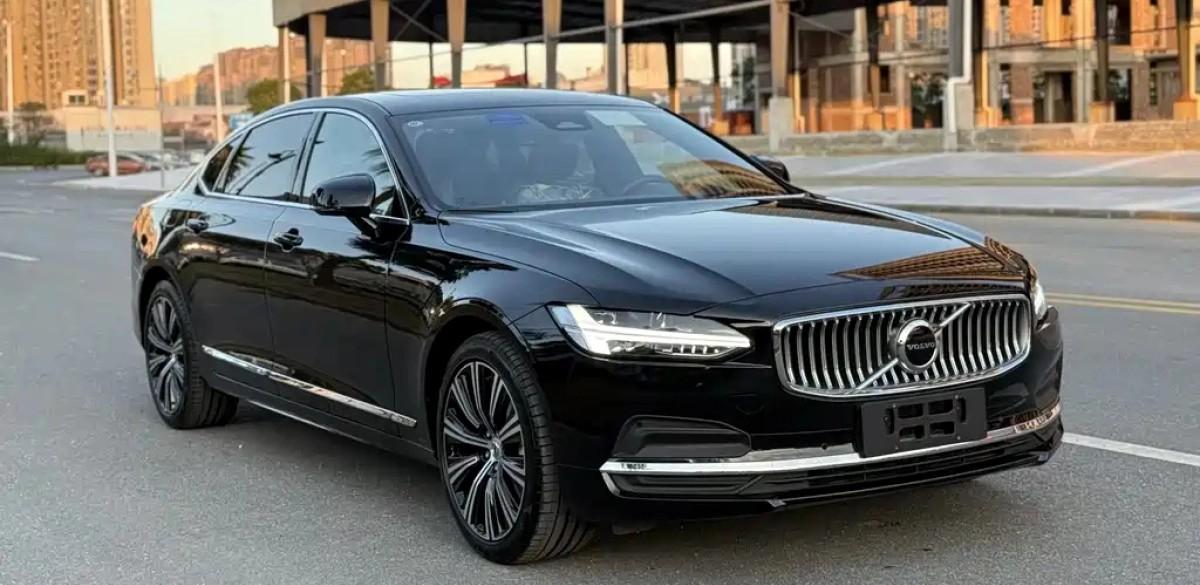
Second place in the anti-ranking went to the Swedish Volvo S90 (2016–2023) and V90 (2016–present). 47% of owners reported breakdowns over the past two years. That means nearly every second buyer experienced problems. Volvo's biggest headache is electronics. 24% of service visits were related to infotainment system issues. Another 18% involved other non-engine electrical problems. Faults with the 12-volt battery and the powertrain each accounted for 12% of complaints.
But the most frustrating aspect is repair time. In 45% of cases, fixing the issue took more than a week. Volvo S90 and V90 owners often have to part with their cars for extended periods. The manufacturer covered repair costs in 94% of cases. The remaining 6% of owners received bills of up to €60, which is relatively modest, but the fact that any payment was required for warranty repairs raises questions.
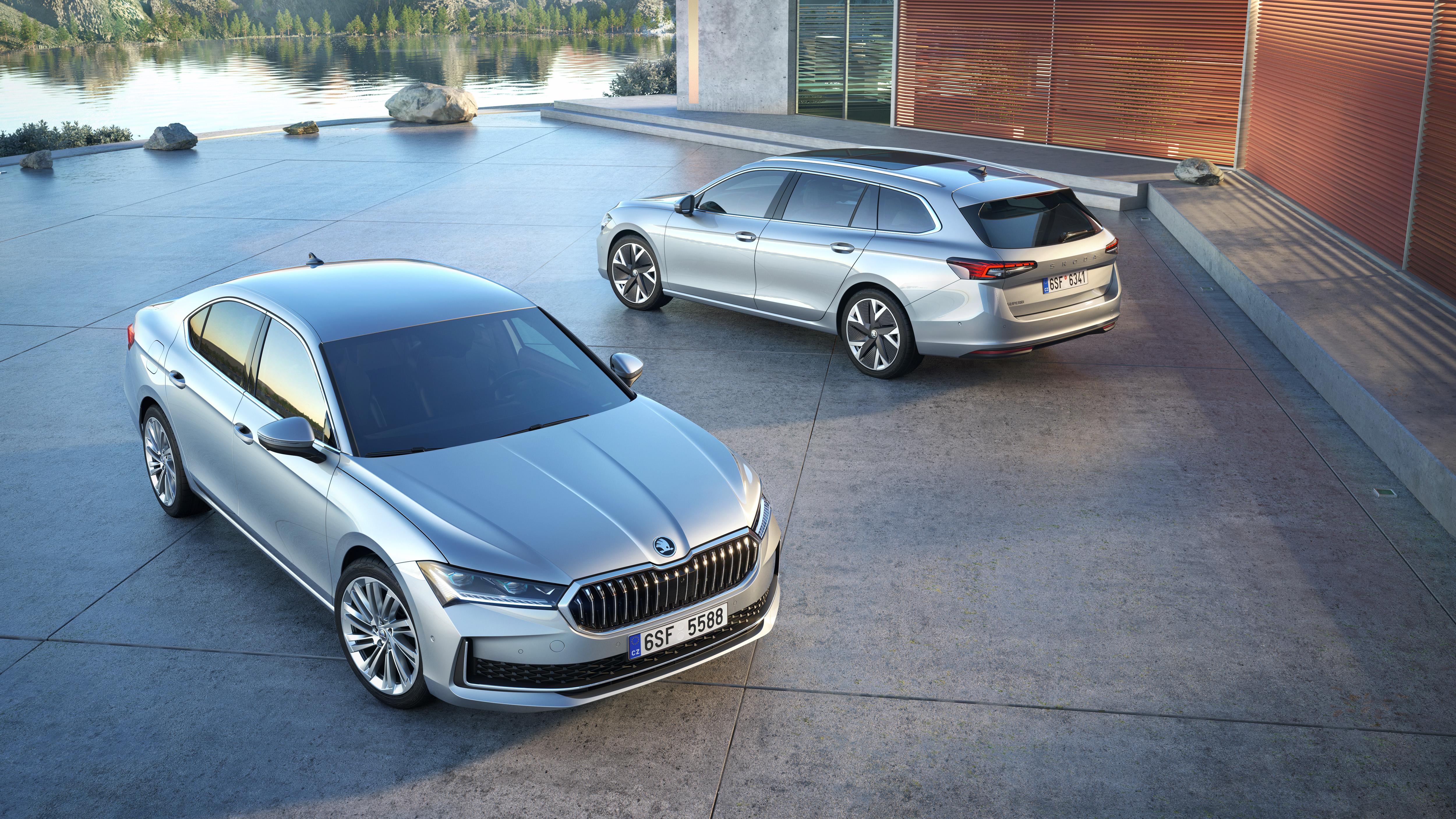
Petrol-Powered Skoda Superb: Infotainment Issues and Lengthy Repairs
Third place in the anti-ranking goes to the petrol-powered Skoda Superb (2015–2024 models). 40% of owners experienced faults over the past two years. As with Volvo, the main culprit was the infotainment system, which accounted for the majority of complaints. More than half of the affected cars — 55% — spent over a week in the workshop, which is a very long time for repairs.
The financial side of the issue is mixed. In 65% of cases, the manufacturer paid for the repairs. However, 15% of owners received bills exceeding €1,700. That is an unpleasant surprise for owners of a car often considered the “people's executive car.”
Other Models in the Top 10: From Volvo S60 to Audi A6
The list of the most problematic executive cars does not end there. Fourth place went to the Volvo S60 (2018–2023) and V60 (2018–present). These models share the same issues as the larger S90 and V90, with electronics and infotainment systems causing significant inconvenience. Fifth place was taken by the plug-in hybrid Skoda Superb PHEV (2020–present). Adding an electric component, apparently, did not improve the model's reliability.
Sixth place in the What Car? anti-ranking was claimed by the BMW 330e (2016–2020). The hybrid version of the popular 3 Series proved significantly less reliable than its petrol and diesel counterparts. Seventh place went to the fully electric Polestar 2 (2020–present). Electric vehicles, often advertised as simpler and more reliable due to having fewer moving parts, also made the list of problematic cars. Eighth place was taken by the previous-generation Mercedes-Benz C-Class (2014–2021). Its fault rate was 23%, almost twice as good as the current generation.
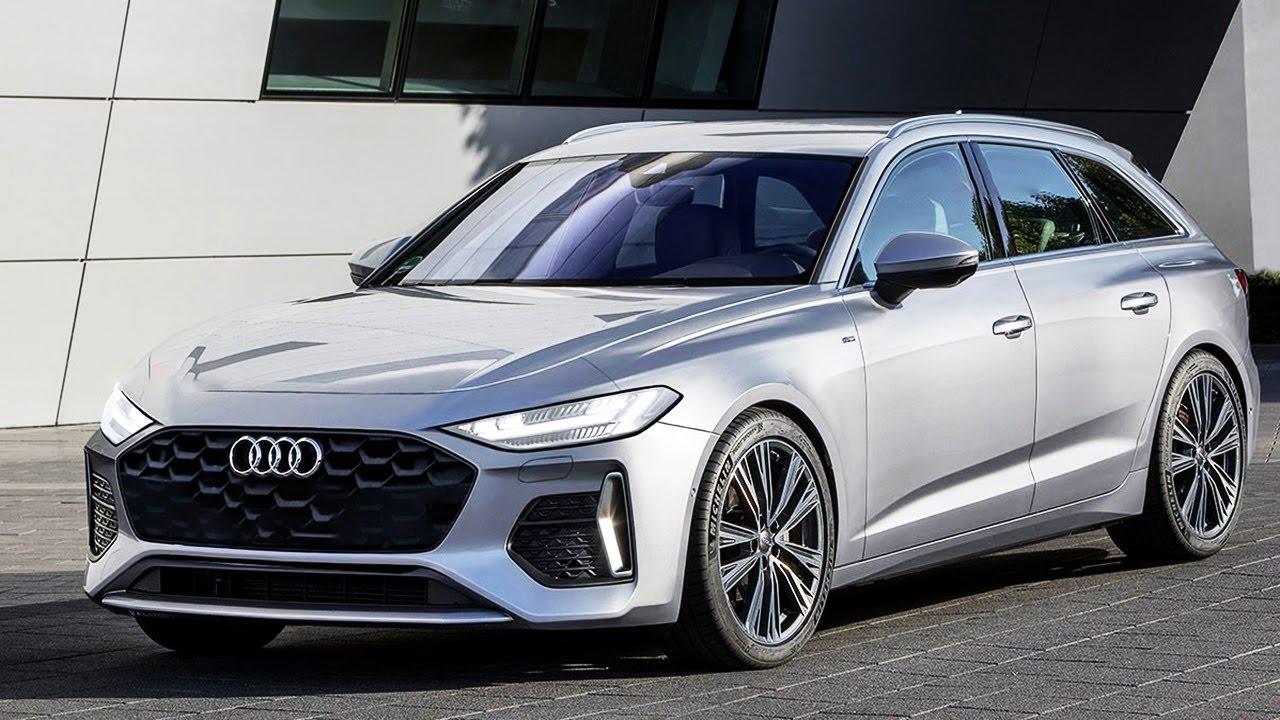
Rounding out the top ten are two Audi models: the A4 (2015–2024) and A6 (2018–2025). Interestingly, the 2026 J.D. Power study also confirms Audi's issues: the brand ranked fifth among the least reliable marques with 244 problems per 100 vehicles. Despite this, individual Audi models — namely the A4 and A6 — also appeared in What Car?'s list of the most unreliable executive cars, suggesting broader systemic issues within the brand.
What Global Studies Say: J.D. Power on Volkswagen, Volvo, and Audi
While What Car? focused on specific models, J.D. Power's 2026 Vehicle Dependability Study assessed brands as a whole. The results were shocking to many. Volkswagen posted the worst result of all marques. For every 100 Volkswagen vehicles, there were 301 reported problems. Volvo ranked second from the bottom with 296 problems per 100 vehicles. This is the same brand many consider a benchmark for safety and reliability. They were followed by Land Rover (274), Jeep (267), and Audi (244).
Notably, J.D. Power experts highlighted an important detail: the majority of complaints were not related to engines, transmissions, or suspension systems. Instead, users most often reported glitches in infotainment systems, problems with Apple CarPlay and Android Auto connectivity, unstable Bluetooth performance, wireless charging issues, and telematics malfunctions. In other words, the mechanical components remain reasonably robust, while software has become the weak link. This is somewhat encouraging, as electronic issues can often be resolved with software updates rather than costly engine repairs. Still, a constantly freezing screen or a sudden loss of music in an expensive executive car remains highly frustrating.
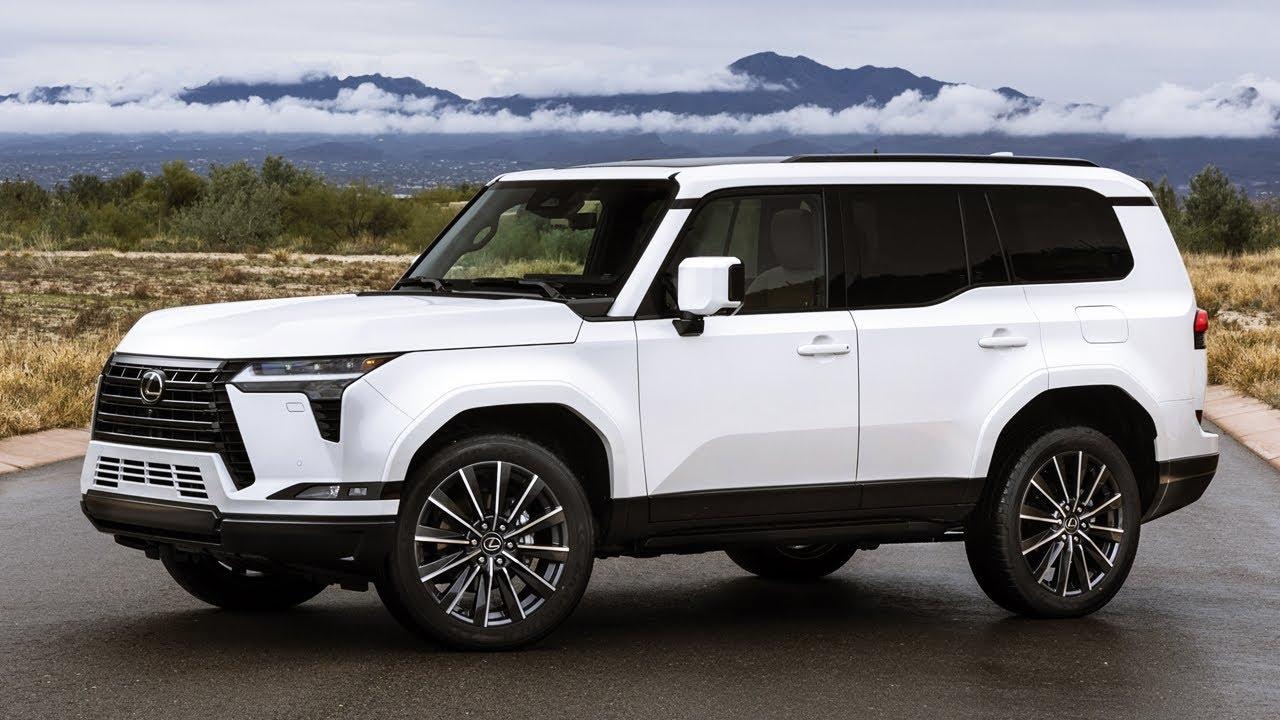
For contrast, at the opposite end of the J.D. Power ranking are brands with the fewest reported issues. Lexus delivered the best result with just 151 problems per 100 vehicles. The Lexus IS executive sedan was named the best in its class. Buick came second, Mini third. Cadillac and Chevrolet also made the top five. The gap between the leaders and the laggards is enormous.
Bottom Line: How to Make the Right Choice
Analysis of 2026 data shows that a prestigious badge and a high price no longer guarantee reliability. Modern executive cars are packed with sophisticated electronics, and these systems are the source of most problems. If you want to minimize risks, it is worth considering models with proven powertrains and less complex infotainment systems. Alternatively, be prepared for the possibility that a new Mercedes-Benz C-Class or Volvo S90 could spend more than a week in the workshop.
As for specific recommendations, the most trustworthy executive cars in 2026 are Lexus models and, according to What Car?, the Alfa Romeo Giulia, which achieved an impressive 97.2% reliability score. Petrol-powered BMW 3 Series models and diesel versions of the Skoda Superb also performed well. When choosing a car, study reliability statistics for the specific model and production year rather than relying solely on the brand's overall reputation. Different generations of the same model can vary dramatically in reliability, as demonstrated by the Mercedes-Benz C-Class.
A wide selection of cars is available on the DOMCar portal.
Photos: pixabay.com, DOM