
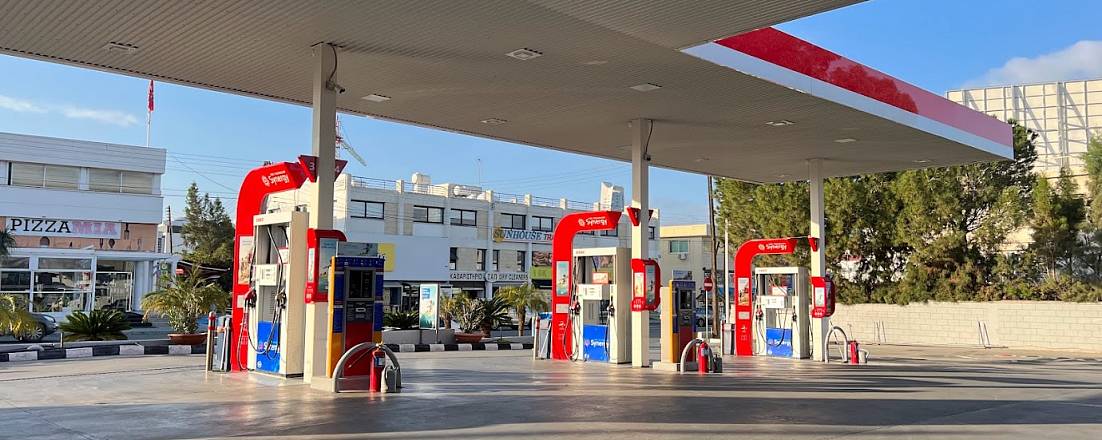
Since mid-July 2026, motorists in Cyprus have been facing higher fuel prices. At most petrol stations, the price of petrol has already increased by 2–3 cents per litre, while diesel and heating oil have risen by 4–5 cents. Industry representatives warn that prices could climb even further in the coming days.
The main reason is the renewed escalation of the conflict between the United States and Iran, which has once again increased tensions in the global oil market. For Cyprus, which relies entirely on imported petroleum products, any changes in global oil prices are quickly reflected at local filling stations.
Why Petrol Prices Are Rising in Cyprus
On 20 July, Savvas Prokopiou, President of the Cyprus Petrol Station Owners Association, confirmed that the increase in fuel prices has already begun and remains difficult to predict. According to him, petrol has become approximately 2–3 cents per litre more expensive, while diesel prices have increased by 4–5 cents. Further developments will depend largely on events in the Middle East. If military operations affect oil infrastructure or disrupt shipments through the Strait of Hormuz, fuel prices are expected to continue rising.
The armed conflict between the United States and Iran began on 1 March 2026. Following a brief ceasefire in June, hostilities resumed in July. Additional pressure on the market came from the renewed U.S. naval blockade of Iranian ports near the Strait of Hormuz, one of the world's most important oil shipping routes.
By 16 July, Brent crude oil had climbed to around $85 per barrel. This was the highest level in the past month, although it remained well below the spring peak, when prices exceeded $110 per barrel.
Why Fuel Prices Are Rising Faster Than Oil Prices
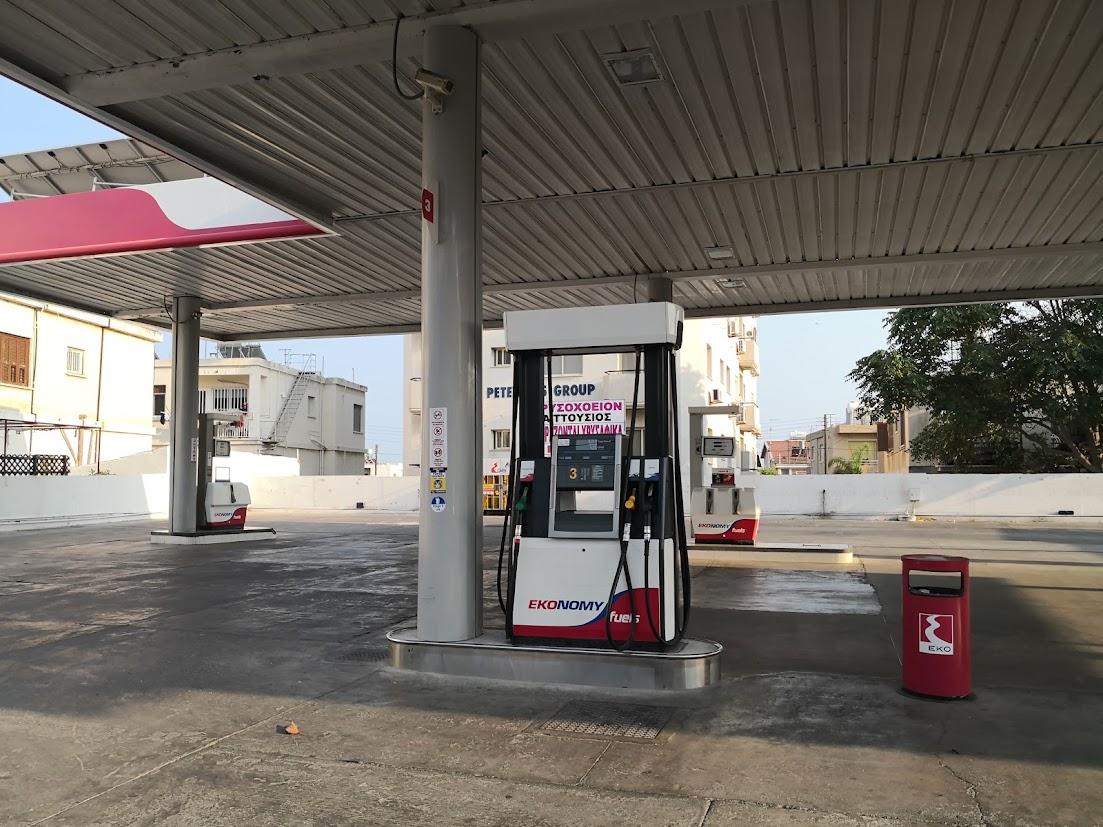
According to Marios Drousiotis, President of the Cyprus Consumers Association, the domestic market raises several questions. He noted that one fuel station chain was the first to increase prices on 16 July, with other companies gradually following suit. Further price increases, he said, could occur within the next few days.
At the same time, he pointed out that global oil prices have almost returned to the levels seen in early March, while fuel prices at Cypriot petrol stations remain significantly higher. According to calculations by the Consumers Association, by mid-July retail fuel prices were about 15 cents per litre higher than in March. Taking into account the current government excise tax reduction of 8 cents per litre, the effective difference reaches approximately 23 cents per litre. Heating oil is currently around 41 cents per litre more expensive than before the conflict began.
Experts also remind consumers that fuel prices in Cyprus are influenced by far more than the price of Brent crude. Wholesale Platts petroleum product quotations, shipping costs, marine insurance, exchange rates, and the level of competition between importers and fuel station operators all play an important role.
Current Fuel Prices in Cyprus
According to the government's fuel price monitoring portal, the average fuel prices in Cyprus today are:
- 95-octane petrol — €1.485 per litre (ranging from €1.395 to €1.596);
- 98-octane petrol — €1.542 per litre (ranging from €1.425 to €1.699);
- Diesel — €1.596 per litre (ranging from €1.475 to €1.767);
- Heating oil — €1.374 per litre (ranging from €1.305 to €1.475).
Price differences between petrol stations remain considerable, so motorists are advised to compare prices using official fuel price monitoring services before refuelling.
What Happens Next?
For now, the impact on motorists is being partially offset by the Cypriot Parliament's decision to extend the reduced fuel excise duty until 17 September 2026. According to the Petrol Station Owners Association, without this measure fuel prices would already be around 8.3 cents per litre higher. However, once the tax relief expires, the situation may change. If Parliament does not extend the reduced excise duty and geopolitical tensions remain high, petrol and diesel prices could rise sharply again.
International analysts also warn that uncertainty remains exceptionally high. According to Goldman Sachs, if the crisis in the Middle East continues, Brent crude could once again exceed $110 per barrel during the fourth quarter of 2026. If tensions ease, however, oil prices could return to the $60–70 range. For Cyprus, where virtually all fuel is imported, this means that petrol and diesel prices will continue to depend directly on global oil prices, developments in the region, and government decisions regarding fuel tax relief.
Browse a wide selection of vehicles on DOMCar.
Photos: DOM, Pixabay