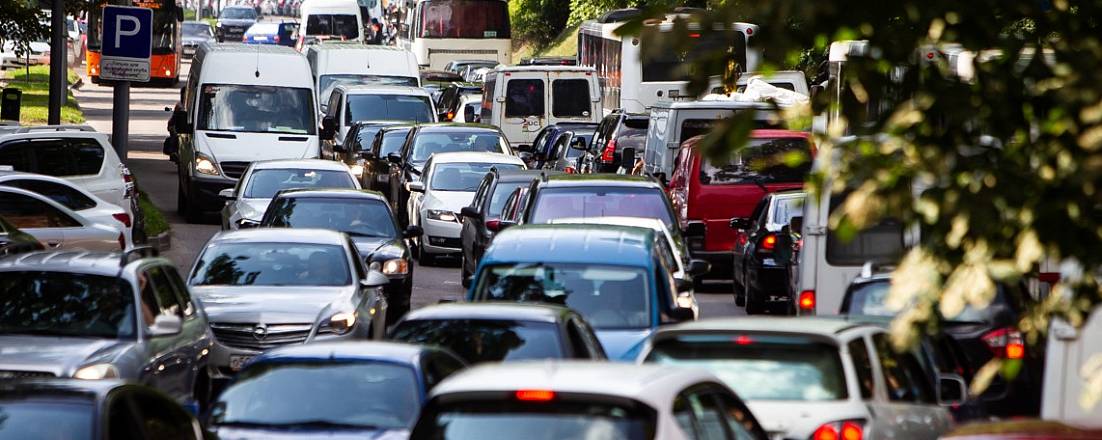
In Cyprus, authorities have seriously taken on one of the most painful issues of recent years — traffic congestion. The Parliamentary Committee on Transport, Communications and Works has begun reviewing a new road traffic bill that could become historic. For the first time, it proposes to create a unified and comprehensive legal mechanism aimed exclusively at combating traffic jams, chaotic parking, and overloaded road infrastructure. The initiative is intended not just to “patch holes,” but to bring systemic order to the roads and significantly simplify the daily lives of city residents.
What exactly they want to change on the roads
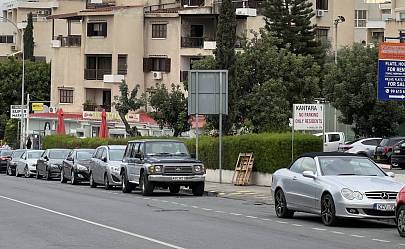
According to the concept, the bill provides for a whole range of measures that until now were either applied fragmentarily or were entirely absent from Cypriot legislation. The authorities propose creating traffic management centers in each district to monitor road conditions in real time and respond promptly to congestion and accidents. Significant attention is paid to the problem of improperly parked vehicles — the document provides for the possibility of towing cars that block traffic and create dangerous situations.
A separate emphasis is placed on the redistribution of road space. It is planned to more actively introduce priority lanes, temporarily prohibit stopping and parking in overloaded areas, and establish enhanced safety zones near schools. All of this should reduce chaos during peak hours and increase road safety, especially for children.
Flexible schedules and remote work as tools against congestion
One of the most discussed ideas was the official recognition of flexible schedules and remote work as tools to combat traffic congestion. Incidentally, remote employment has already proven its effectiveness and can significantly reduce the load on the road network, especially during morning and evening hours. The bill proposes to encourage such work formats not only in the public sector but also in private companies, which aligns with pan-European trends in sustainable mobility.
Traffic jams as a new reality of Cypriot cities
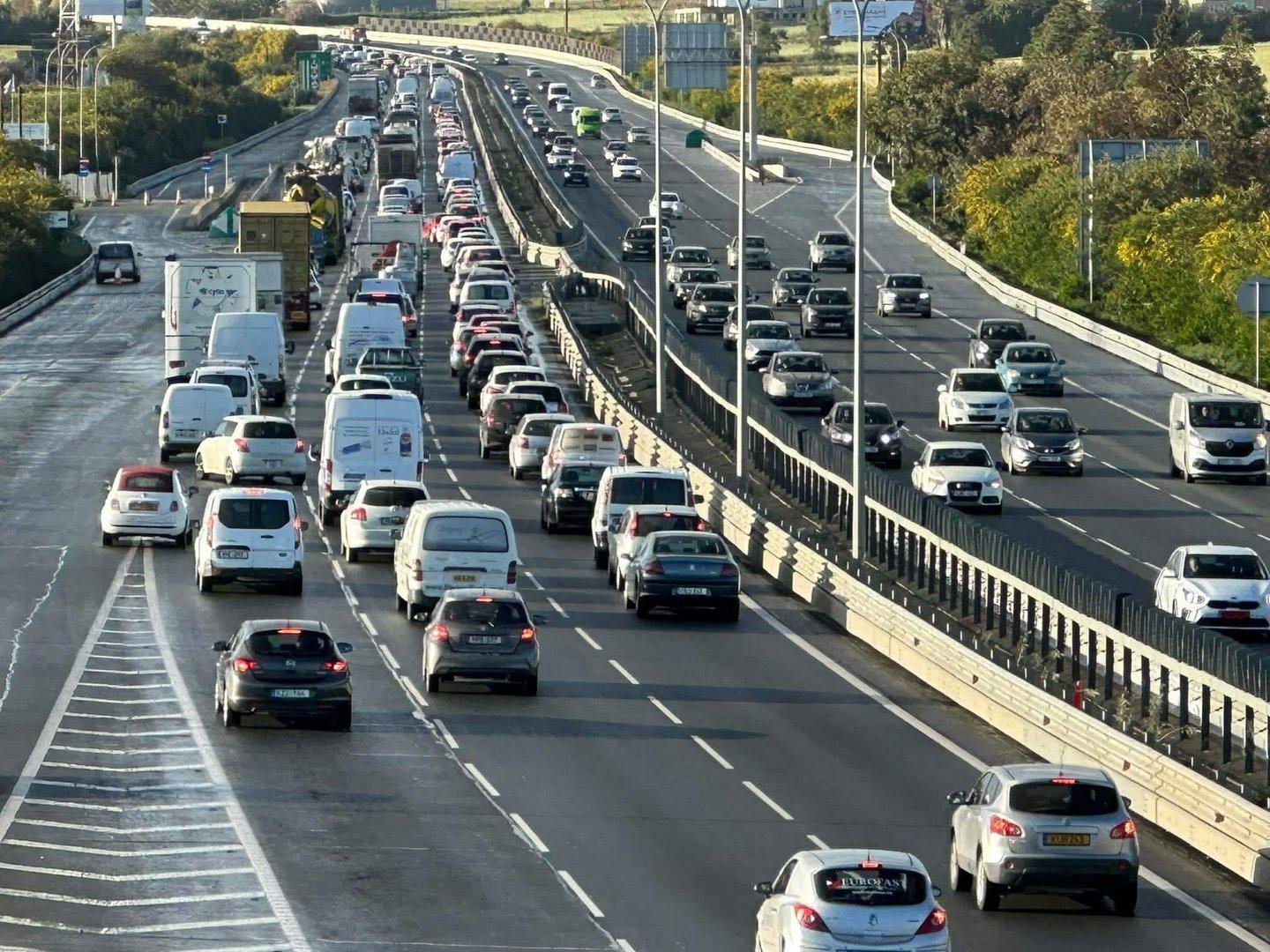
Parliament acknowledges that traffic congestion has long ceased to be a temporary problem. For thousands of residents of Nicosia, Limassol, Larnaca, and Paphos, traffic jams have become part of everyday reality, consuming time, nerves, and resources. The lack of clear rules and coordination between agencies has led to decisions often being made spontaneously and failing to produce long-term effects. The new law, according to its authors, should put an end to this practice and create transparent, understandable rules for all road users.
What comes next
The Transport Committee has already reached out to all interested government services, municipalities, and organizations with a request to submit their proposals and comments in writing. Based on this feedback, the bill is planned to be refined and submitted for the next stage of parliamentary discussion. If adopted, Cyprus will receive the first specialized law in its history fully dedicated to traffic management and combating congestion — a step many have been waiting for for more than a year.
A large selection of vehicles on the portal DOMCar.
Photos: pixabay.com, DOM