

Cyprus is completing the installation of a new intelligent traffic monitoring system. By the end of June 2026, 74 radar sensors will become operational across the country, analyzing traffic flows and transmitting real-time road condition data.
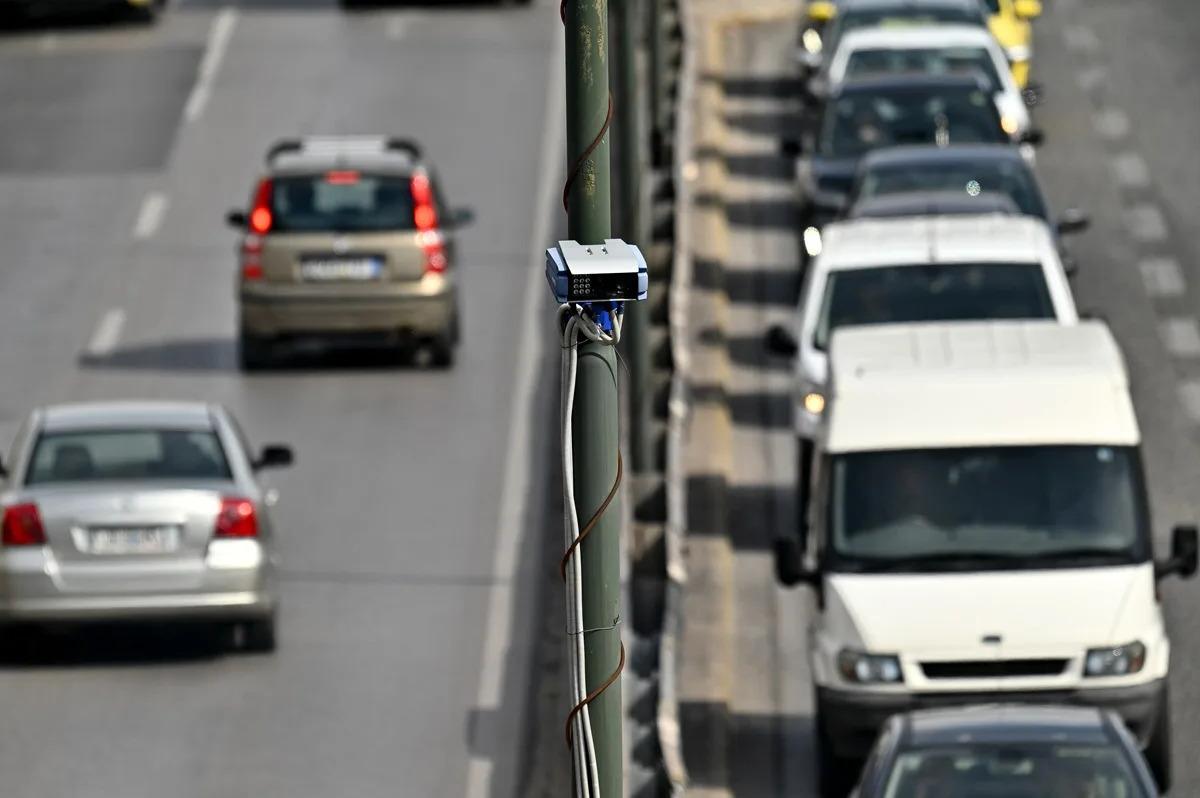
Following reports about the installation of the equipment, many drivers assumed the devices were new speed enforcement cameras. However, authorities have emphasized that these sensors are not intended for issuing fines and do not record traffic violations.
What the New Radars Are For
The project is being implemented by Cyprus’ Department of Public Works as part of a broader modernization of the island’s transport infrastructure. The primary purpose of the system is to collect information about road conditions. The new sensors can analyze traffic volumes, determine congestion levels on specific road sections, and quickly detect the formation of traffic jams.
The collected data will be used not only by government services but also by popular navigation platforms. Once the system is fully operational, information on traffic congestion and traffic density will automatically appear on Google Maps, Waze, and other services used daily by thousands of residents and tourists.
Will Drivers Be Fined?
Authorities have addressed this issue separately due to the large number of inquiries from motorists. Aristotelis Savvas, a representative of the Department of Public Works, stated that the new devices are not connected to the traffic enforcement camera network. They do not record vehicle registration plates and cannot identify individual drivers.
Unlike road cameras used to monitor speeding and red-light violations, the radar sensors operate by analyzing traffic flow as a whole and collect only statistical data. Therefore, the introduction of these new devices will not result in an increase in traffic fines.
What Data Does the System Collect?
The technology allows road conditions to be monitored in real time. The system determines the number of vehicles in each lane, analyzes average traffic speeds, distinguishes between different vehicle types, and detects the formation of congestion.
This information helps specialists assess the efficiency of the road network, identify problematic areas, and respond more quickly to changing traffic conditions. In addition, in the event of accidents or major traffic jams, information can be displayed immediately on electronic road signs, warning drivers and helping them choose alternative routes.
The new radar sensors are only one component of a much larger digitalization project for Cyprus’ transport infrastructure. In total, nearly 400 different devices are being installed under the program. Alongside the 74 radar sensors, the system includes 106 Bluetooth modules for travel-time analysis, 170 traffic monitoring cameras, and approximately 40 electronic information boards.
The creation of a unified digital platform will allow road authorities to obtain a comprehensive overview of conditions on the country’s major highways and urban roads.
Where the Sensors Have Already Been Installed
Installation work is already underway in Limassol, Larnaca, and Paphos. In Nicosia, the system will cover key urban roads, including Griva Digeni Avenue, Makariou III Avenue, Kennedy Avenue, and Famagusta Avenue. Equipment is also being installed in Strovolos, Aglantzia, Agios Dometios, Tseri, and other areas of the capital region.
The new devices will also be deployed along the island’s main highways, including routes E306, E309, E902, and E903. Additional monitoring points are planned on the Nicosia–Limassol motorway and in the mountainous Troodos region, including Kakopetria and Agrokipia.
According to the Department of Public Works, around 50 devices have already been installed. The project is expected to be completed by the end of June 2026. Work is currently underway to connect the equipment to the electricity network, and all necessary applications have already been submitted to the .
Once fully operational, authorities expect the system to become one of the most advanced traffic monitoring networks on the island. In the long term, it is intended to help reduce congestion, improve road safety, and make travel around Cyprus more convenient for both residents and visitors.
A wide selection of vehicles is available on the DOMCar portal.
Photos: pixabay.com, DOM