Buying your first car in Cyprus is both a dream come true and a real challenge filled with unknowns. Public transport on the island is relatively underdeveloped: outside Nicosia and Limassol, buses run infrequently, and many beaches and picturesque villages are simply inaccessible without a car. That is why a vehicle in Cyprus is not a luxury but rather a necessity.
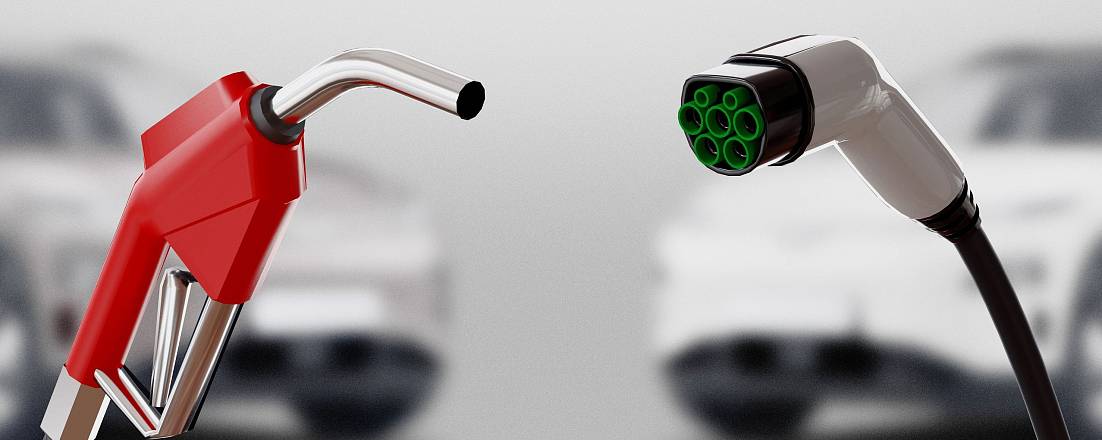
Before making a purchase—especially if it is your first car—you are usually faced with a difficult choice: what body style should you choose, what drivetrain, what transmission? In recent years, another dilemma has emerged: hybrid or traditional petrol engine? It is not an easy question, particularly for someone who is just learning to feel confident behind the wheel. In this article, we will take a detailed look at the advantages and disadvantages of each option specifically in the context of Cyprus. You will learn what really matters so that your first car brings joy rather than constant expenses and headaches.
Why the Engine Is the Most Important Question for a Beginner in Cyprus
The engine is the heart of a vehicle, and its type affects virtually everything—from monthly fuel expenses to insurance costs and annual road tax. In Cyprus, this issue becomes even more important. The island has a unique geography, featuring modern highways connecting cities, steep mountain roads in Troodos, and heavy rush-hour traffic in Limassol and Nicosia.
Petrol engines are the classic option familiar to every mechanic. They are simpler, cheaper to repair, and generally less expensive to buy. Hybrids, on the other hand, are a relatively new phenomenon in the Cypriot market, gaining popularity thanks to lower fuel consumption and tax incentives. But are they really the best choice for someone who has just started driving? Let’s find out.

Petrol Engine: A Reliable Classic for Beginners
A petrol-powered car is often the option experts recommend to new drivers, and there are several strong reasons for that, especially in Cyprus. First and foremost is the price. The vast majority of cars on the local market run on petrol. Finding a budget-friendly used vehicle for €5,000–10,000 is not difficult. Beginners also tend to worry less about accidentally scratching or slightly denting such a car during their first months of driving—and statistics show that many new drivers are involved in minor accidents during their first year on the road.
The second important factor is service availability. Petrol engines can be repaired at virtually any garage in Cyprus, and labour costs are generally reasonable. Spare parts are readily available from most suppliers. You are unlikely to face a situation where your car sits in a workshop for weeks waiting for a rare injector or sensor.
The third advantage is simplicity. Petrol engines are forgiving of certain beginner mistakes. You simply fill up at any petrol station on the island and drive away. There are no complex regenerative systems, battery management requirements, or special driving modes to worry about.
The main disadvantage of a petrol car in Cyprus is fuel cost. In 2026, petrol prices remain around €1.60 per litre. If your daily commute involves driving from the suburbs into central Limassol or Nicosia, your fuel bill can become substantial. With average urban fuel consumption of 8–10 litres per 100 km, you may spend around €100–150 per month on petrol alone.
In addition, Cyprus calculates road tax based on engine size and CO₂ emissions. Larger petrol engines (2.0 litres and above) attract significantly higher rates. Ownership costs for such vehicles can amount to €300–500 annually, while a small economical engine may cost only €50–100 per year in road tax. There is also the environmental aspect to consider. Although Cyprus has no plans to ban petrol cars in the near future, Europe continues to move toward greener transportation. In five to seven years, selling a car with a large petrol engine may prove more difficult than selling a hybrid.

Hybrid Vehicles: A Technological Assistant or an Extra Headache?
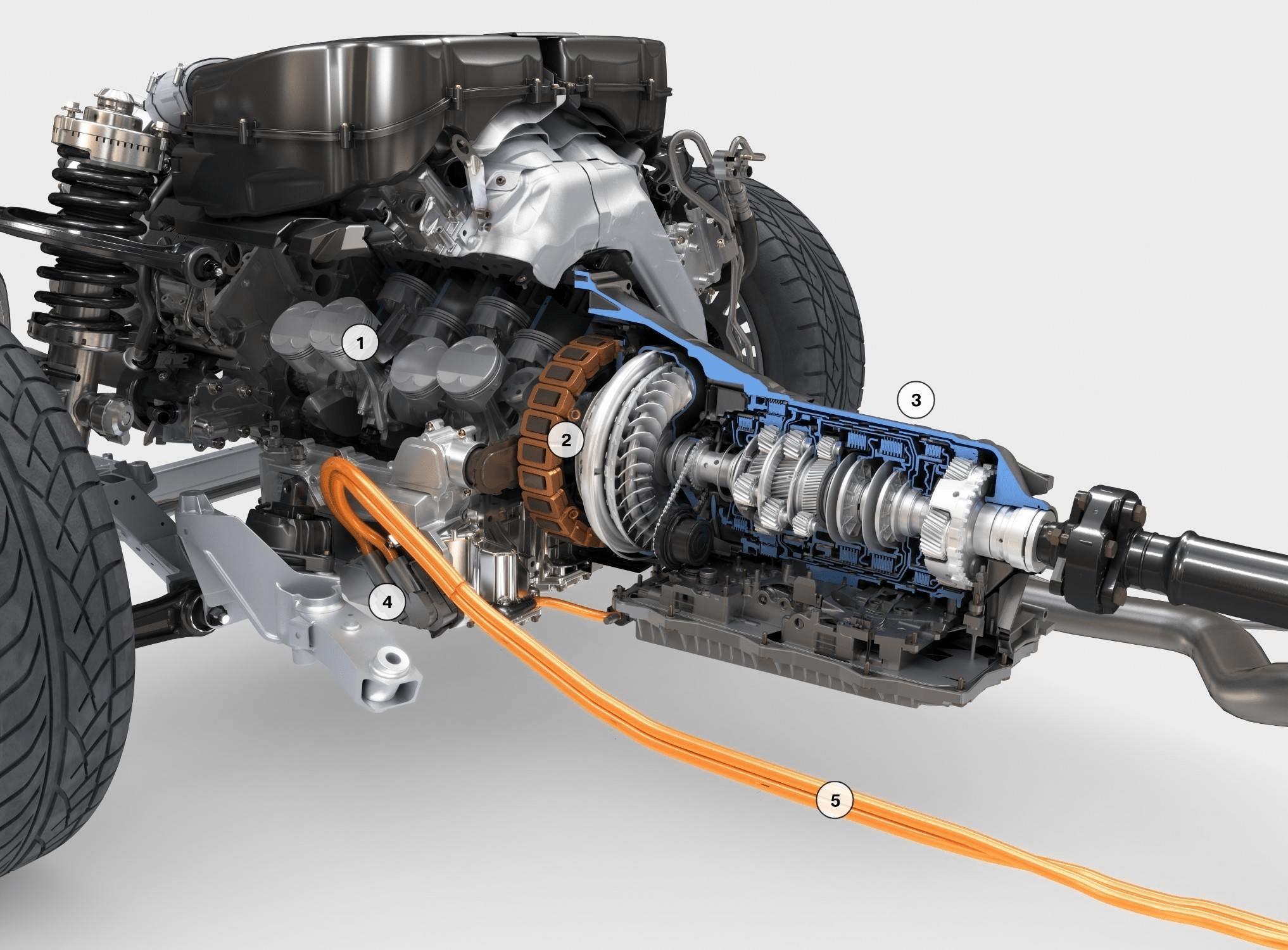
A hybrid combines a petrol engine with an electric motor. These vehicles are becoming increasingly common in Cyprus, particularly Toyota and Lexus models. But is such a technologically advanced car suitable for a beginner?
The first thing that attracts buyers is exceptional fuel efficiency. In city traffic, where petrol engines consume significant fuel while idling, hybrids often operate on electric power for much of the journey. Average urban fuel consumption can be as low as 3–4 litres per 100 km. For drivers covering long daily distances—for example, commuting between Limassol and Nicosia—the savings can be substantial.
The second major advantage in Cyprus is tax incentives. The Cypriot government actively encourages the purchase of environmentally friendly vehicles. Hybrids benefit from reduced registration fees and lower road tax rates. In some cases, savings on import duties can amount to several thousand euros. In addition, hybrids are generally exempt from restrictions occasionally imposed on older, more polluting vehicles in city centres.
The third advantage is driving comfort. Hybrids move off silently and smoothly using electric power. This creates a relaxed and predictable driving experience for inexperienced drivers, as the car does not lurch forward when the accelerator is pressed too aggressively.
However, hybrids come with challenges as well. The biggest drawback is the higher purchase price. Even a used hybrid in Cyprus typically costs 20–40% more than a comparable petrol car of the same age and class. You may need a larger budget or settle for an older vehicle with higher mileage.
The second concern is servicing and repairs. Not every mechanic in Cyprus has experience with hybrid systems. If something goes wrong with the inverter, battery, or electric motor, repairs can be expensive. Diagnosing such systems is more complicated, and official dealership service centres are generally costlier than independent garages.
The third factor is the battery itself. Manufacturers typically estimate battery life at 8–10 years or 150,000–200,000 kilometres. However, Cyprus’s hot climate may shorten that lifespan. Replacing the main high-voltage battery can cost between €2,000 and €5,000 depending on the model. Fortunately, batteries usually degrade gradually rather than failing suddenly, meaning the car simply begins consuming more petrol over time.

Types of Hybrids: What’s the Difference and What’s Available in Cyprus?
Many beginners are unaware that there are different types of hybrids. The type of hybrid system directly affects how the vehicle behaves and how much fuel it saves. The Cypriot market is dominated by series-parallel hybrids, the technology used by Toyota and Lexus. These vehicles can operate on electricity alone, petrol alone, or a combination of both. The onboard electronics automatically select the most efficient mode. This is the most versatile and reliable option because it requires no action from the driver.
Mild hybrids (MHEVs) are also common. They cannot drive solely on electric power. Instead, the electric motor simply assists the petrol engine during acceleration and powers onboard electronics. Fuel savings are modest—typically around 10–15%. However, these vehicles are cheaper than full hybrids and feel very similar to conventional petrol cars.
Plug-in hybrids (PHEVs) occupy a separate category. They feature larger batteries that can be charged from a household outlet or charging station. Such vehicles can typically travel 40–60 km on electricity alone. Cyprus is an ideal environment for PHEVs because distances are relatively short. If you can charge the car at home or work, you may use electric power for most journeys and rely on the petrol engine only for longer trips.
However, PHEVs may be too complicated for some beginners. You need to monitor battery charge levels, connect the vehicle for charging, and understand the different operating modes. They are also more expensive than conventional hybrids. For a first car, a standard hybrid is usually the simpler and more practical choice.
Comparing Costs: Which Is More Economical in Cyprus in 2026?
Let’s look at some numbers. Assume a typical scenario: daily city driving with a few motorway trips each month and an annual mileage of 15,000 km.
1.6-Litre Petrol Car
Average fuel consumption is 8 litres per 100 km. Over a year, you will use approximately 1,200 litres of petrol. At €1.60 per litre, that equals €1,920 annually. Road tax will be around €200–250 per year. Insurance for a beginner is approximately €500–600 annually. Total minimum yearly costs, excluding servicing and repairs: approximately €2,620–2,770.
Toyota Yaris Hybrid
Average fuel consumption is 4 litres per 100 km. Annual fuel usage is about 600 litres. At the same fuel price, this equals €960 per year. Thanks to lower CO₂ emissions, road tax is only €50–70 annually. Insurance may be slightly lower due to advanced safety systems, around €450–550 per year. Total: approximately €1,460–1,580 annually.
The difference exceeds €1,000 per year in fuel and tax savings alone. However, the Toyota Yaris Hybrid may cost €3,000–5,000 more to purchase than a comparable petrol car. This price difference is typically recovered after three to five years of ownership. If you drive more than average or plan to keep the car for several years, the hybrid becomes the more economical option. If your annual mileage is relatively low—below 5,000–7,000 km—and you plan to replace the vehicle within a couple of years, a petrol car may be the more practical choice.

Practical Advice for New Drivers
For a Calm City Driver with a Budget of €10,000–12,000
The best choice is a compact petrol hatchback with an automatic transmission. Hatchbacks are easy to manoeuvre, offer excellent visibility, and make parking in Limassol or Larnaca much less stressful. An automatic gearbox removes the challenge of gear changes and clutch control in traffic. Consider models such as the Kia Rio, Hyundai i20, Ford Fiesta, or Suzuki Swift.
For Someone Who Drives Frequently and Wants to Invest in the Future
If your daily mileage exceeds 50–60 km and your budget is €15,000–18,000, seriously consider a hybrid. Excellent options include the Toyota Yaris Hybrid, Honda Jazz Hybrid, or an older Toyota Prius. These vehicles are known for reliability, and Toyota’s hybrid technology has been proven in millions of cars worldwide. While the initial investment is higher, monthly fuel expenses are significantly lower.
Vehicles to Avoid as Your First Car
Avoid older hybrids that are more than 10–12 years old and have high mileage, as battery-related problems become more likely. Avoid large petrol engines of 2.0 litres or more because fuel costs and taxes are higher while the extra power is rarely needed in city traffic. Finally, avoid buying an expensive brand-new vehicle.
Your first car is a learning tool. It is where you will gain experience, make mistakes, and discover what you truly need from a vehicle. Spending €30,000–40,000 on your first car often creates unnecessary stress over potential damage.
Final Thoughts: A Compromise Without Regrets
So, what should you choose in Cyprus in 2026: a hybrid or a petrol car? There is no universal answer because the right decision depends on your circumstances. A petrol car is a reliable, predictable, and affordable companion for your first few years of driving. It requires less upfront investment and is easier to maintain.
A hybrid is a step forward. It offers lower running costs, smoother driving, and tax advantages. It is an excellent choice for people who drive frequently and plan to keep their vehicle for several years. Hybrids are particularly well suited to Cyprus thanks to the island’s short travel distances and sunny climate, which generally supports efficient hybrid operation.
The most important advice is not to rush. Research the market, browse listings on Cypriot websites, and test-drive both technologies. Ask an experienced friend or mechanic to inspect any vehicle you are considering. Remember: your first car is not forever. It is a stepping stone that helps you become a confident and experienced driver. Whether there is a petrol engine or a hybrid system under the bonnet, what matters most is that you enjoy driving it on the beautiful roads of Cyprus.
A wide selection of vehicles is available on the DOMCar portal.
Photos: DOM, Pixabay