

Buying a used car always involves a certain degree of risk. You may end up owning a vehicle whose technical problems were carefully concealed by an unscrupulous seller. In the budget segment, the consequences of a poor purchase are usually less dramatic — repairs may be unpleasant for your wallet, but they are unlikely to approach the value of the car itself. However, with premium models, the situation is entirely different.
Luxury cars are more complex by design, their components require specialized maintenance, and the cost of original spare parts can shock even experienced car owners. The cost of restoring such a vehicle can easily approach — or even exceed — the purchase price. This is especially relevant in Cyprus, where the vehicle fleet is highly diverse: you can encounter both the latest Ferrari models and cars from the 1980s. The average age of a car on the island is 10–12 years, and not every owner treats the technical condition of their “iron horse” with proper care.
If your desire to own a prestigious car is strong enough that you are willing to accept high maintenance costs, this article is for you. We will take a detailed look at all aspects of buying a used premium car in Cyprus so that you can make an informed decision and avoid expensive repairs.
Why Premium Cars in Cyprus Are a Special Case
The Cypriot used car market has its own characteristics. A significant share of vehicles is imported from Japan, which means buyers need to be particularly cautious. In the premium segment, the situation is further complicated by the fact that cars from BMW, Mercedes-Benz, Audi, and Lexus have engineering features that make maintenance more expensive compared to mainstream brands.
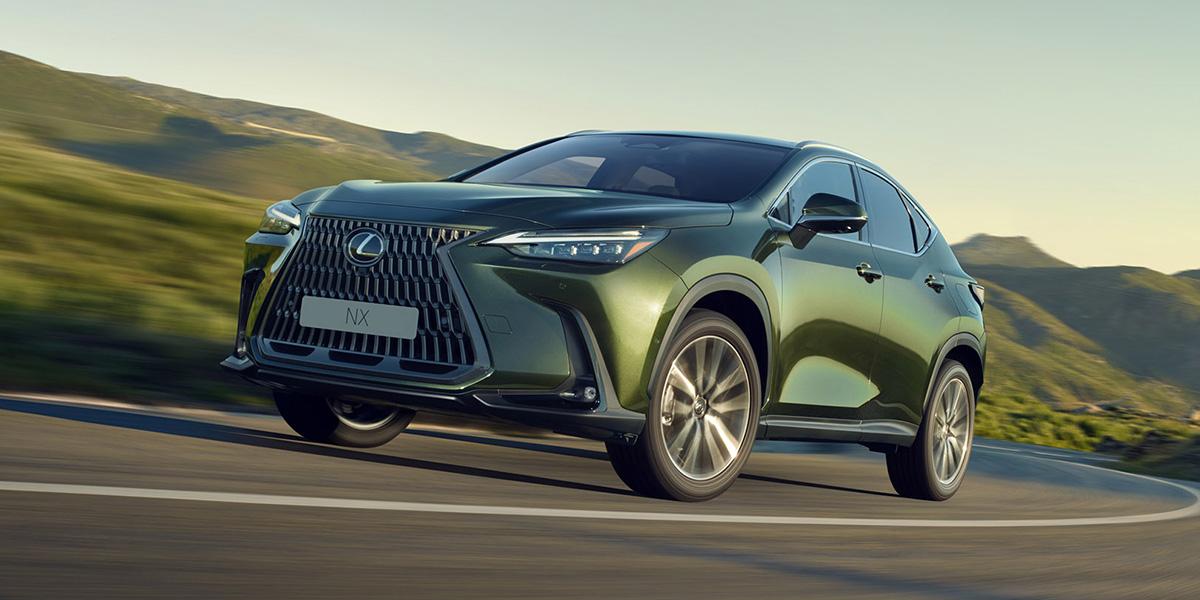
According to statistics, maintaining a BMW costs on average around €16,000 over 10 years of ownership, and the probability of a major breakdown reaches 47%. For Mercedes-Benz, the situation is slightly better — nearly €13,000 and a 41% chance of a major repair. By comparison, for Lexus, these figures are just €7,000 and less than 19%, respectively. These numbers clearly show how different the ownership experience can be depending on the premium brand you choose.
First Steps: Choosing the Seller and Checking Documents
You should begin evaluating a vehicle long before opening the hood or taking a test drive. The first and most important rule is to buy a used car directly from the registered owner listed in the vehicle documents. If the seller is a reseller, they may not know the car’s true history and will be unable to answer many of your questions. Moreover, they often do not appear in the transaction, while the actual owner could later create legal complications.
Before starting the inspection, always verify that the seller’s personal details match the information in the registration certificate. If the seller claims the car belongs to a relative, you are likely dealing with a middleman — proceed with extra caution.
Ideally, the vehicle should have a complete and transparent service history. For newer cars, this usually means maintenance at authorized dealerships. For vehicles that have changed hands several times, official service records often stop after the first resale. Try to obtain the vehicle’s history using the VIN number — ideally through a specialist with access to professional databases.
Special attention should be paid to cars imported from Japan. By checking the VIN, you may find the original auction sheet, which provides valuable information about the car’s condition at the time of sale, including mileage verification and details of body damage. This is particularly relevant in Cyprus, where Japanese imports are extremely popular.

Bodywork: The Most Important Area to Inspect
The body is the most complex and expensive part of any car to repair. On a used vehicle, repainting or replacing individual panels is normal, so minor differences in paint thickness should not be a major concern. Far more serious is the presence of body filler beneath the paint, which often indicates poor-quality repairs and a lack of investment by the previous owner.
Inspect the consistency of panel gaps. On premium cars, factory gaps are almost always uniform. If you notice differences, the car has most likely undergone body repairs. Check the bolt heads, which are painted along with the body. Chipped paint or touch-up marks suggest that components have been removed.
A serious warning sign is a body restored after a major accident. Paid VIN check services can reveal records of registered collisions. For imported vehicles in Cyprus, you can also request the Japanese auction sheet, which includes a condition grade. A grade of 6 indicates near-new condition, 5 is excellent, 4.5 and 4 are good, while 3.5 and below suggests fair condition or accident history. Keep in mind that not all accidents are recorded, so a clean history does not guarantee a flawless vehicle.
One sign of major repairs is the presence of clear coat in the engine bay or trunk. At the factory, paint in these areas is applied in a very thin layer, usually without lacquer. Carefully examine the sealant seams — replicating factory workmanship during repairs is nearly impossible. Differences are especially noticeable when comparing the left and right sides of the trunk or engine compartment.
To detect signs of structural repairs, remove the rubber seals in the door openings. There, you may notice missing factory weld spots, filed panel edges, or traces of welding. If the seller refuses to allow this inspection, it is a strong indication that the car may have serious hidden issues. Also, check the markings on all windows — differences in manufacturer or production date may indicate replacement after an accident.
Engine and Transmission: The Heart and Soul of the Car
Premium cars are typically equipped with conventional automatic transmissions, although dual-clutch gearboxes and CVTs are also found in some models. During a test drive, pay close attention to shift quality — jerky or delayed gear changes may indicate problems with clutch packs or hydraulic systems.
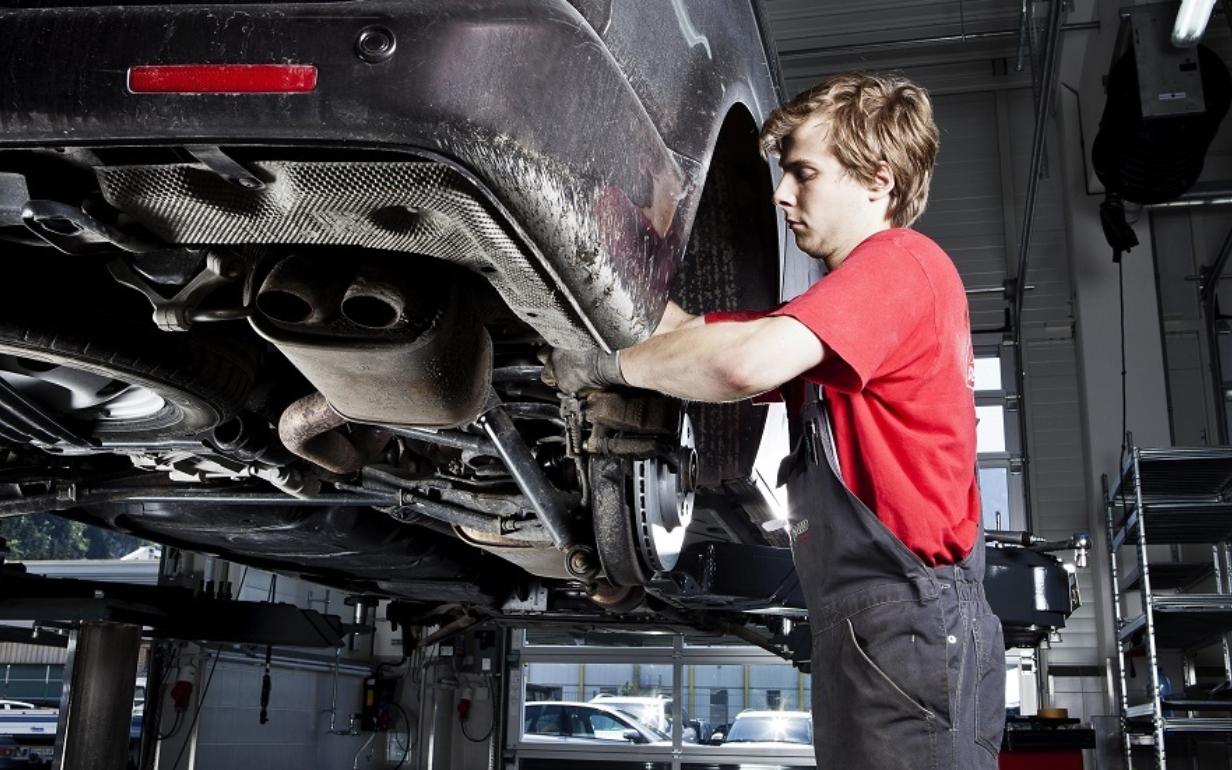
The engine and transmission should ideally be inspected at a professional workshop where the car can be lifted on a hoist. Oil or fluid leaks are clear warning signs. The true condition of an engine cannot always be assessed by sound or visual inspection alone. Many models require computer diagnostics and, in some cases, cylinder endoscopy to uncover hidden defects.
Mileage: How to Avoid Buying a “Rejuvenated” Car
Odometer tampering is as common in Cyprus as it is elsewhere. Dishonest sellers may reduce the recorded mileage to make a vehicle appear younger than it really is. In premium cars, mileage verification is somewhat easier because the data is often stored in multiple electronic control units. Sellers may alter only the dashboard reading, while the engine and transmission modules retain the true figures.
Pay attention to the difference between the car’s production year and the year it was first registered in Cyprus. If the gap exceeds one year, exercise additional caution — the vehicle may have sat unused for a long period or have hidden issues.
A reliable step is to verify that the VIN number on the car matches the VIN in the documents. If you are buying from a dealer, make sure the VIN is also listed on the invoice. This is an essential safeguard against future registration problems.
Suspension and Running Gear: Hidden Costs
Premium car suspensions are often highly sophisticated. Many models use aluminum control arms, where worn bushings cannot be replaced separately and the entire arm must be changed. Air suspension systems with pneumatic struts are also common and have a limited service life.
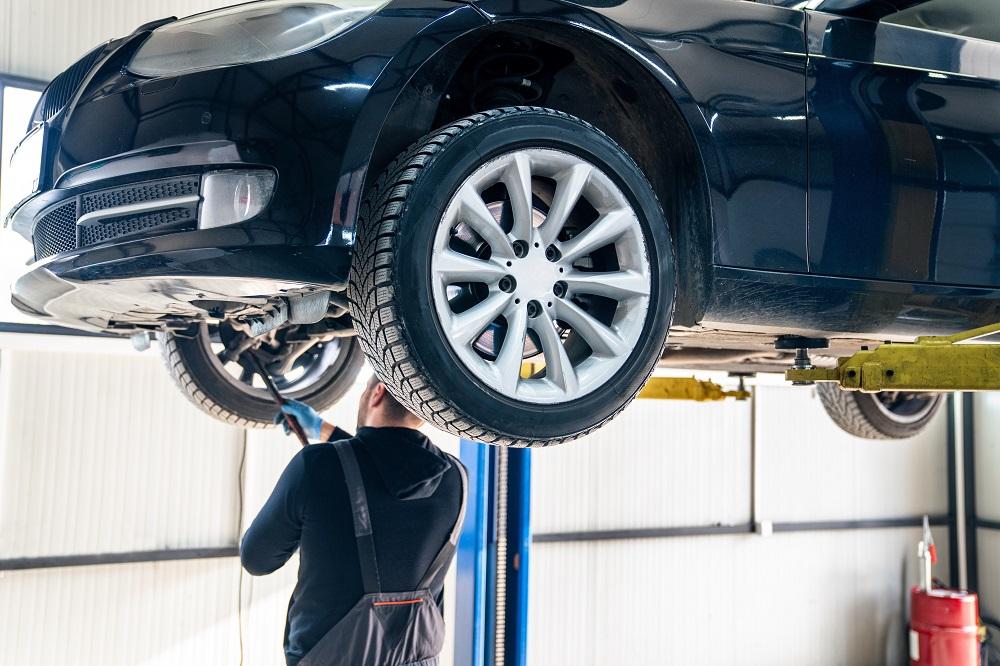
The only reliable way to assess suspension condition is through a professional inspection on a lift. Some problems may not be noticeable during a road test. Diagnostic results can provide a clear picture of the car’s condition and offer useful leverage for negotiating the price based on upcoming repair costs.
In Cyprus, all vehicles must undergo a mandatory roadworthiness inspection (MOT) every two years. The cost is approximately €35. A recently passed MOT is a positive sign, but it should not be viewed as a guarantee of excellent mechanical condition, as inspection quality can vary between testing stations.
Braking System: Expensive but Critically Important
Premium vehicles are heavier and more powerful, placing greater demands on the braking system. Some high-performance models are equipped with carbon-ceramic brake discs, which cannot be replaced with conventional steel alternatives. A full brake service on such cars can cost several thousand euros, and buyers should be financially prepared for this possibility.
Inspect the condition of brake discs and pads. If they are nearing the end of their service life, this is a valid point for negotiation, although significant discounts are unlikely, especially in the premium segment.
Where to Buy: Dealers, Private Sellers, and Professional Inspections
The best option is to purchase directly from the owner or through a reputable dealership. Many dealers accept trade-ins and later resell them. With some luck, you can find an excellent car at a fair price. However, buying from a dealership does not guarantee protection from legal issues or hidden defects, as vehicles usually undergo only a basic check before being accepted.
In Cyprus, there are services that specialize in professional pre-purchase inspections. An expert contacts the seller, visits the vehicle, and performs a comprehensive technical assessment. This is especially useful because towns and cities on the island are spread out, and buyers often consider vehicles in other locations where arranging an inspection themselves may be difficult.
The Cyprus Consumers Association also recommends hiring an independent mechanic you trust before purchasing a used vehicle. This significantly reduces the risk of unpleasant surprises after the transaction.

Servicing Premium Cars in Cyprus: Challenges and Recommendations
If you do become the owner of a premium vehicle, finding reliable service will quickly become a priority. According to local drivers, it can be difficult to find a workshop in Cyprus that combines fair pricing, skilled mechanics, and a conscientious approach. Russian-speaking mechanics are available, but their prices are often 20–30% higher, and quality does not always meet expectations. Many locals opt for the cheapest available service, which often affects the condition of their vehicles.
The Cyprus Consumers Association offers several important recommendations when dealing with repair shops. First, document any existing damage before handing over the vehicle, even for routine maintenance. Second, always request a written receipt confirming acceptance of the car and listing your concerns. Third, ask for a diagnostic report and an estimated repair cost before any work begins. Finally, ensure that the final invoice includes a complete and detailed description of all work performed and all parts used.
Conclusion: Making the Right Decision
Buying a used premium car in Cyprus is fundamentally no different from making the same purchase in any other country — the key difference lies in the potential cost of mistakes. Repairs are objectively more expensive due to the complexity of the engineering and the high price of original parts.
If you do not have sufficient experience and knowledge to evaluate a vehicle on your own, it is strongly recommended to hire professionals. The cost of an independent pre-purchase inspection is small compared with the potential expense of correcting hidden defects.
Most importantly, plan your budget carefully and account for the higher maintenance and repair costs associated with premium vehicles. Only then will owning a prestigious car bring genuine satisfaction rather than ongoing financial stress.

A wide selection of vehicles is available on the DOMCar portal.
Photos: pixabay.com, DOM