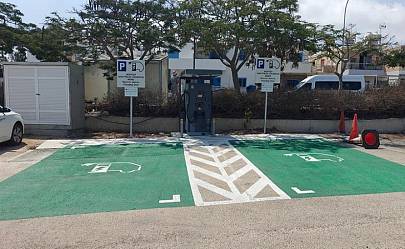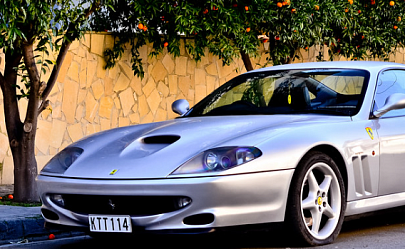

Virtually everyone who decides to buy a car in Cyprus eventually faces a classic dilemma: purchase a used premium vehicle — say, a three- to five-year-old BMW, Mercedes, or Audi — or opt for a brand-new budget-friendly model such as a Kia, Hyundai, Suzuki, or Mazda. On one hand, there is the allure of leather upholstery, a powerful engine, and prestige. On the other, there is warranty coverage, peace of mind, and predictable ownership costs.
As is often the case, the truth lies somewhere in between. However, in the context of Cyprus, this choice takes on unique characteristics. The island has a distinctive vehicle fleet: according to statistics, the average age of a car on Cypriot roads is between 10 and 12 years. Here, you can find everything from the latest electric vehicles to cars from the 1980s. The used-car market dominates, accounting for 64% of all registrations in 2025. This means that most Cypriots have already made their choice, and it is not always in favor of a new car. :contentReference[oaicite:0]{index=0}
But let's be honest: long-term value is about far more than the purchase price. It includes maintenance costs, repairs, insurance, fuel consumption, and even the amount of time and stress you spend dealing with service centers.
The Numbers at the Start: Why the Same Price Tag Doesn't Mean the Same Costs
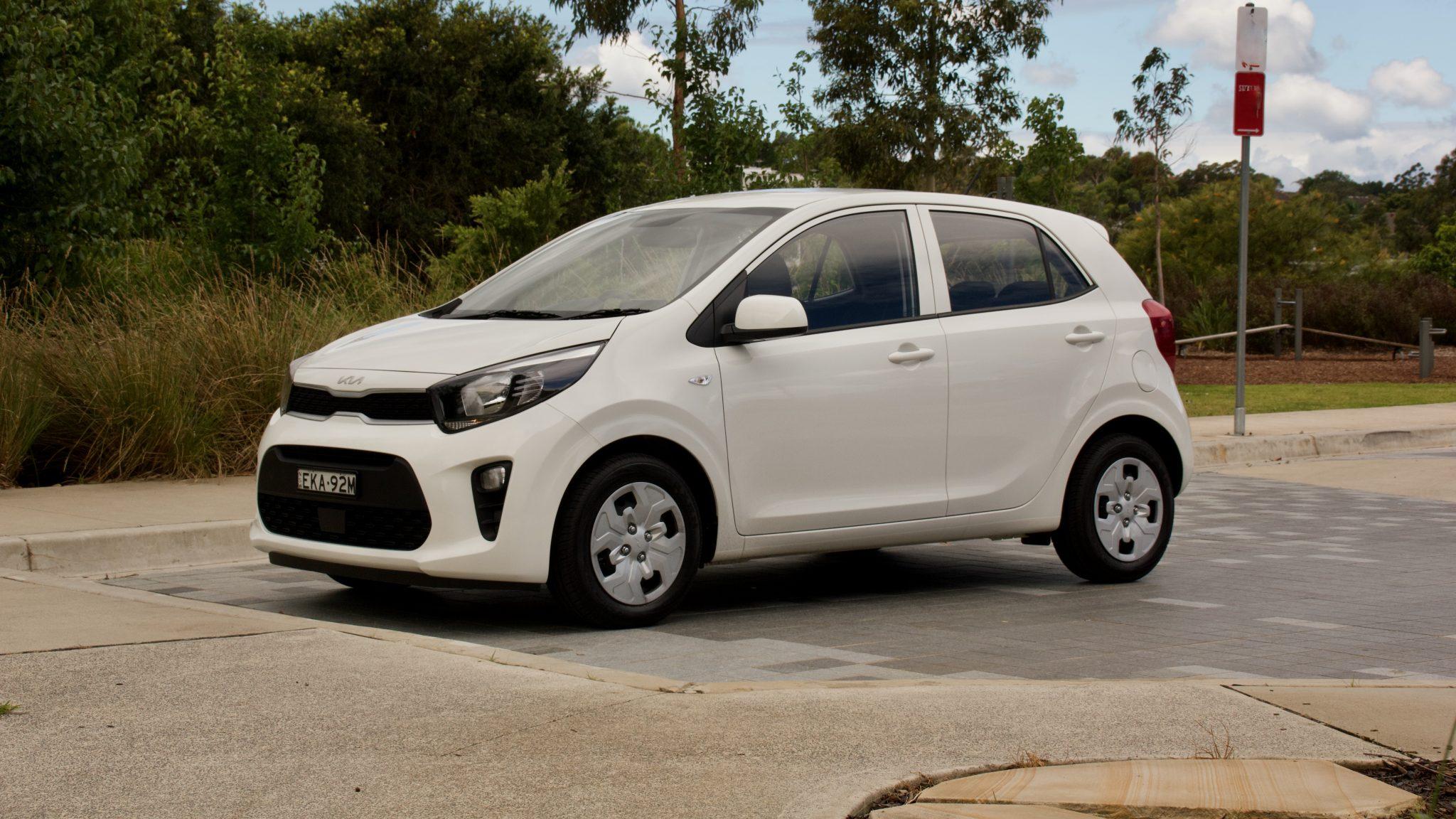
Let's assume your budget is between €15,000 and €20,000. What can you get for that money in Cyprus? A brand-new budget vehicle, such as a Kia Picanto, Suzuki Ignis, or Mitsubishi Space Star. It may not be a BMW, but you'll be the first owner, the car will have zero mileage, and it will come with an official warranty.
The alternative is a five- to seven-year-old BMW 3 Series or Mercedes C-Class with approximately 100,000–150,000 km on the odometer. For the same money, you get a higher-class vehicle featuring leather seats, a more powerful engine, and a prestigious badge on the hood. However, this is where the main trap lies.
According to available data, the cost of owning a premium vehicle in Cyprus over ten years can reach €16,000 in maintenance expenses alone. For example, BMW ownership costs are estimated at around €16,000 over ten years, with the probability of a major repair reaching 47%. Mercedes performs slightly better, at nearly €13,000 and a 41% chance of a significant breakdown. By comparison, Lexus — also a premium brand, but Japanese — is considerably less expensive to maintain, at around €7,000 over the same period, with a breakdown probability of less than 19%.
The equation is different with a budget vehicle. Over ten years, routine maintenance expenses are significantly lower. However, one important point must be added: a new budget car loses value faster. During the first three years, it may depreciate by 30–40%. A used premium car has already gone through the steepest phase of depreciation, meaning you may be able to resell it after a few years for roughly the same amount you paid. In terms of the difference between purchase and resale value, the premium vehicle can appear more attractive.
However — and this is a significant "however" — maintenance costs in Cyprus are generally higher than in mainland Europe. Logistics, importing spare parts to the island, and a limited number of specialists qualified to work on complex German vehicles all increase real ownership costs. When discussing value for money, it is essential to calculate not only the purchase price but also the expenses that will follow.
Reliability: Myth Versus Reality
There is a persistent myth that premium vehicles are more reliable than budget cars. The assumption is simple: more expensive means better quality. In reality, this is not always true.
Premium vehicles are technologically more complex. Turbocharged engines, adaptive air suspension, multi-zone climate control systems, and sophisticated infotainment technologies all work wonderfully when the vehicle is new. However, as mileage and age increase, every additional feature becomes another potential point of failure. A single malfunctioning sensor can result in a lengthy diagnostic process and a repair bill of several hundred euros.
Budget vehicles are generally simpler by design. Naturally aspirated engines, conventional automatic or manual transmissions, and minimal electronics are solutions proven over decades. There is simply less that can go wrong, and when something does fail, repairs rarely come with a shocking price tag.
In Cyprus, where the average vehicle age exceeds ten years, this factor becomes especially important. The local climate — salty sea air, hot summers, and fluctuations in humidity — takes a toll on electronics, rubber seals, and paintwork alike. A premium vehicle imported from Japan or Europe may require substantial investment during the first year of ownership.
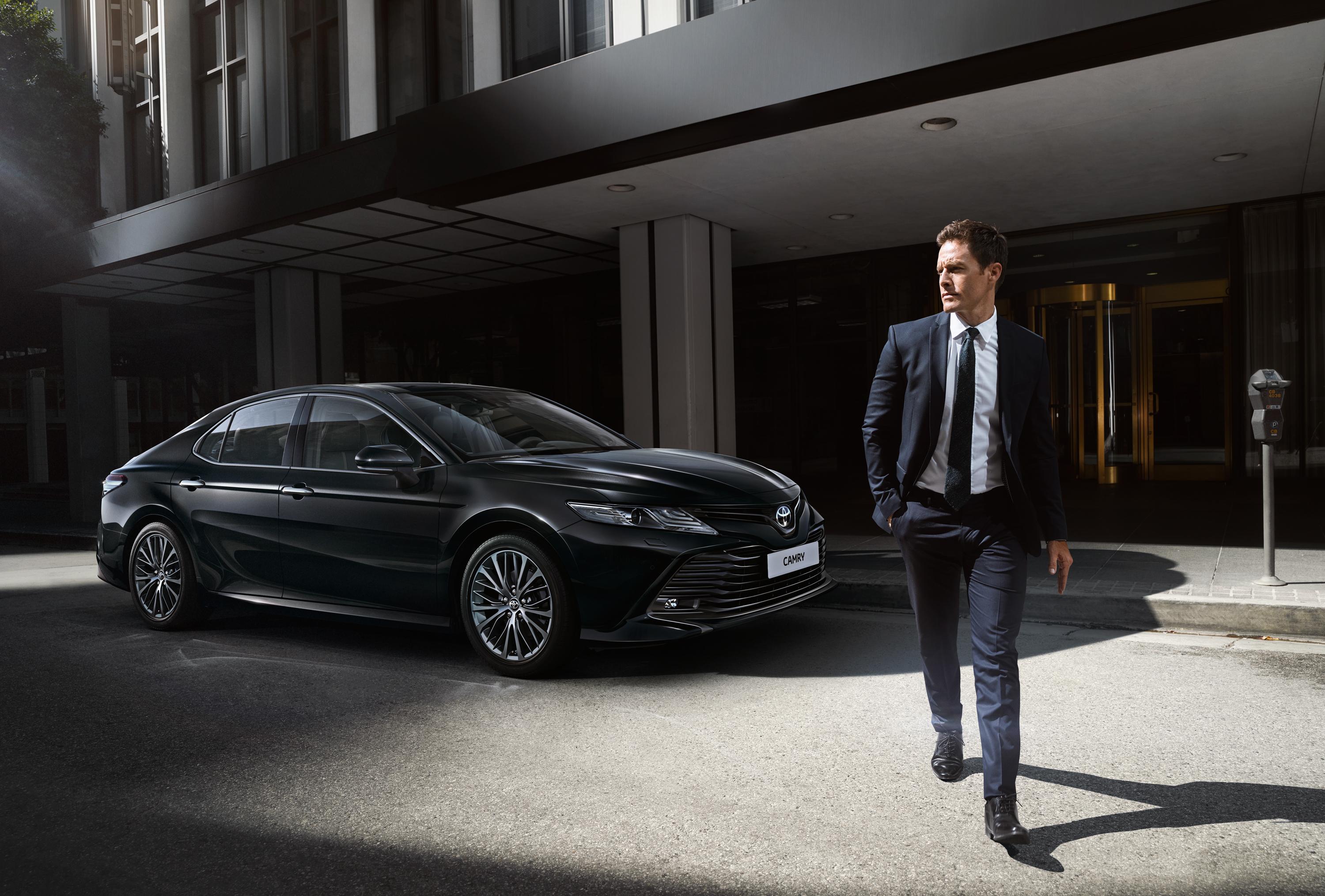
And here lies a surprise: if you look at registration statistics, premium brands are not the leaders of Cyprus's used-car market. In 2025, Toyota ranked first among used vehicles with 6,809 registrations, followed by Mazda with 4,830, Nissan with 2,021, and only then BMW with 1,658 and Mercedes with 1,418. Cypriot buyers generally prioritize reliability and affordable maintenance. :contentReference[oaicite:1]{index=1}
Maintenance and Repairs
This is perhaps the most painful aspect. Many buyers of used premium vehicles assume that the major expense is the purchase itself and that everything afterward will simply be enjoyable driving. Unfortunately, reality is different.
Premium vehicles require regular investment regardless of their condition. Consider consumables. Brake discs for a budget vehicle may cost €50–80 per axle. For a BMW or Mercedes, the price can range from €200 to €500, and for M or AMG versions, costs can be significantly higher. Oil changes? Premium vehicles require high-quality synthetic oils, and servicing costs are higher. Tires? Large alloy wheels and low-profile tires are far from cheap, especially in Cyprus, where road conditions are not always ideal.
According to industry analyses, average annual maintenance costs for a Mercedes start at approximately €576 in the first year and increase to €2,204 by the twelfth year. These figures cover routine servicing only — oil, filters, spark plugs, and brake fluids. If a major component fails, such as a balance shaft or transmission, repair costs can easily run into several thousand euros.
The situation in Cyprus is complicated by two factors. First, finding a highly qualified mechanic for complex German vehicles is not always easy. Good specialists are available, but their services often come at a premium. Second, importing spare parts takes both time and money. A vehicle may spend weeks in a workshop waiting for parts from Germany or Japan. On an island where having a car is often essential, this can be a serious inconvenience.
The story is different with budget vehicles. Spare parts are readily available, costs are lower, and mechanics familiar with Kia, Hyundai, or Suzuki models can be found almost everywhere. Even when something does go wrong, repairs are unlikely to drain your bank account.
Comfort and Emotion: What Are We Really Paying For?
Let's be honest. People rarely buy used premium vehicles because they are "economical." They buy them because they are enjoyable. A leather interior that smells like genuine leather rather than plastic. A powerful engine that effortlessly overtakes traffic on the Limassol–Nicosia highway. Excellent sound insulation that keeps road noise outside. An audio system that genuinely impresses. These are emotions — and emotions have a price.
A new budget vehicle is primarily transportation. It gets you from point A to point B. It may not provide excitement, but it is also unlikely to cause unnecessary problems. Sound insulation is usually average, seats offer fewer adjustments, and interior plastics tend to be harder and more prone to scratches. Climate control is often single-zone. It is not luxury; it is practicality.
The choice between a used premium vehicle and a new budget model is, in many ways, a choice between the heart and the wallet. If you value comfort, performance, and prestige — and are prepared to pay for them — a premium vehicle may be the right option. If your priority is minimizing risk and expenses, a new budget car is the more sensible choice.
However, another nuance is worth mentioning. Not all premium brands are equally expensive to own. Research shows that Lexus offers premium comfort while approaching mainstream Japanese brands in reliability. Its ten-year maintenance costs are estimated at around €7,000 — roughly half that of BMW. If you want premium comfort without excessive risk, Lexus may be worth considering. Another option is a well-equipped "semi-premium" model from Mazda, which often provides a higher level of comfort and interior quality than entry-level Kia or Hyundai vehicles.

Financing, Insurance, and Taxes: The Hidden Costs
There are three factors that many buyers only think about after purchasing a vehicle. The first is comprehensive insurance. Insuring a new vehicle is generally straightforward and reasonably affordable, particularly if it is a budget model. For a used premium vehicle older than five to seven years, many insurance companies in Cyprus either refuse comprehensive coverage or charge premiums equivalent to around 10% of the vehicle's value per year. Some insurers do not cover vehicles older than ten years at all.
The second factor is road tax. In Cyprus, annual road tax depends on engine size and CO₂ emissions. Powerful premium engines — especially 2.5- to 3.0-liter diesel units — are taxed significantly more heavily than the modest 1.2- to 1.6-liter engines commonly found in budget vehicles. The difference can amount to several hundred euros per year.
The third factor is financing. Banks are often reluctant to finance older used vehicles, or they offer loans at higher interest rates. New budget vehicles, especially those purchased from official dealerships, are frequently available with more favorable financing terms. This can be important if you do not intend to pay the full amount upfront.

Conclusion
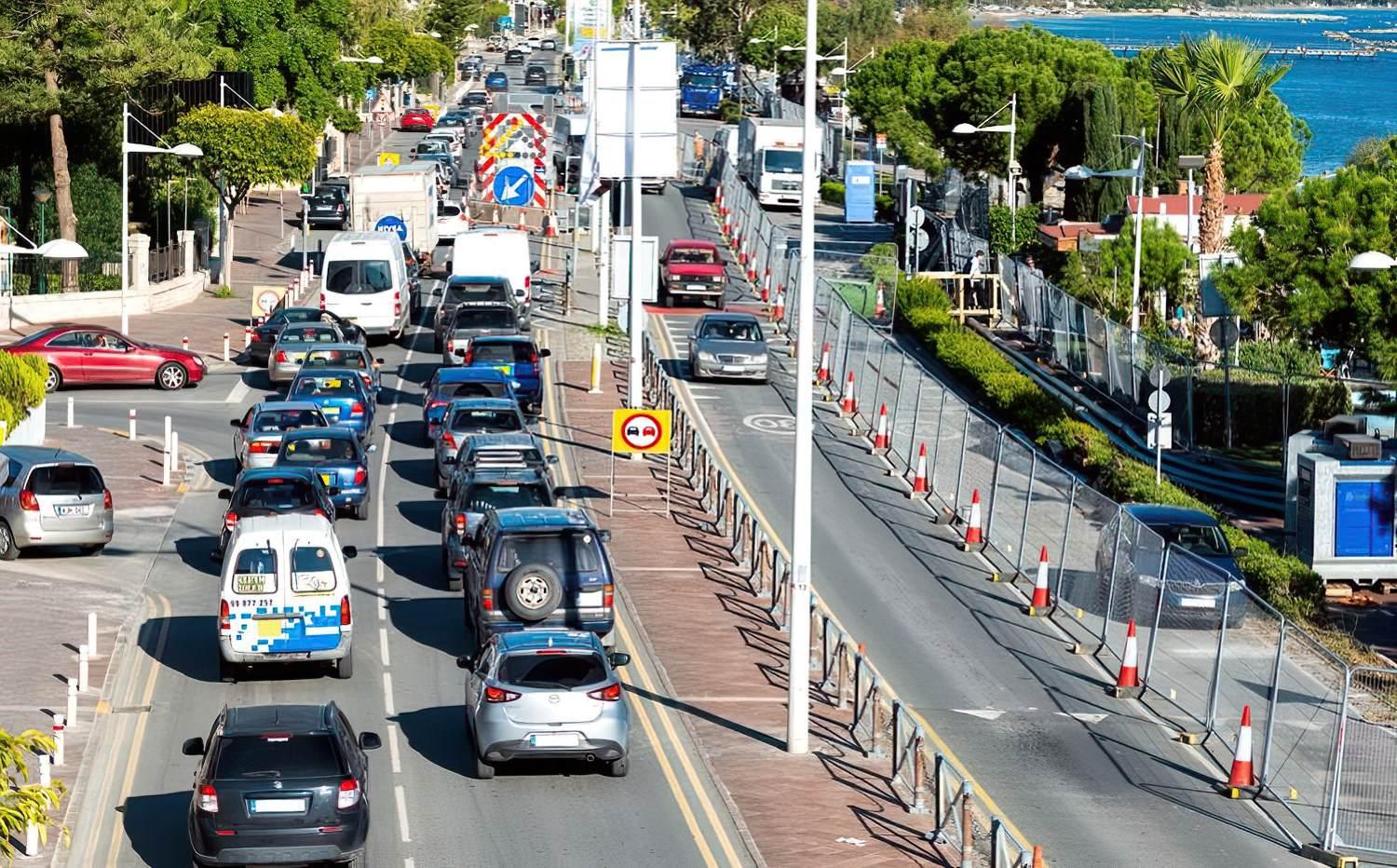
So which option is more beneficial in the long run? The answer depends on your lifestyle and financial priorities. If predictability, peace of mind, and minimal hassle matter most, choose a new budget vehicle. You will benefit from a warranty, lower operating costs, modern safety systems, and the confidence that your car is unlikely to let you down. In Cyprus, where traffic congestion in Limassol, mountain roads in Troodos, and coastal highways are part of everyday life, reliability often outweighs luxury.
If you value comfort, performance, and prestige, and are willing to invest more time and money into vehicle ownership, a used premium car may be the right choice. However, only if you thoroughly check the vehicle's history, ideally with the help of an independent specialist, and are prepared for the possibility of hidden issues requiring attention during the first year of ownership. Choosing a reliable premium brand such as Lexus or Infiniti, rather than problematic BMW or Mercedes models from certain production years, can significantly reduce risk.
You should also consider the middle ground. A three- or four-year-old mainstream vehicle in a top-spec trim level can offer an excellent balance. Models such as the Mazda 3 or Mazda 6, Toyota Corolla, Kia Ceed, or Kia Sportage often provide comfort levels approaching those of premium vehicles while retaining the reliability and affordability of mainstream brands. The Cypriot market offers plenty of such options, particularly imports from Japan with transparent histories and auction sheets confirming genuine mileage. And most importantly: never buy a car without inspecting it, test-driving it, and having it checked by an independent mechanic.
A wide selection of vehicles is available on the DOMCar portal.
Photos: pixabay.com, DOM