
Premium сars and motorcycles in Cyprus
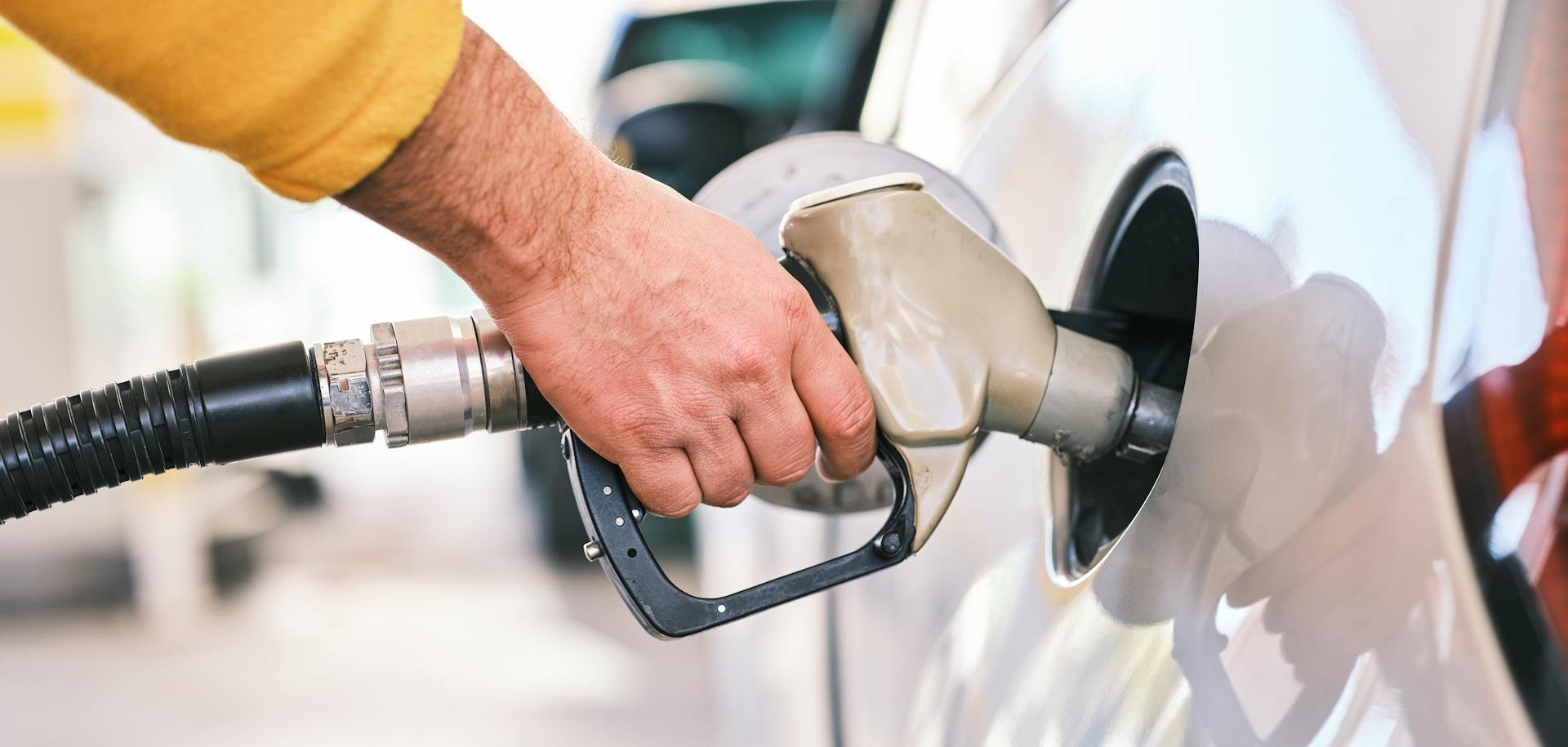
Cyprus recorded a noticeable decline in fuel consumption in April 2026. According to data from the Statistical Service of Cyprus, total petroleum product sales amounted to 118,375 tonnes, compared with 124,647 tonnes during the same period last year. This represents a decrease of 5%.
The drop in demand comes amid continuing increases in energy prices and instability in global markets caused by escalating tensions surrounding Iran and concerns over potential disruptions to oil supplies. For Cyprus, which relies almost entirely on imported petroleum products, fluctuations in global oil prices are quickly reflected in fuel costs for both households and businesses.
Rising Prices Prompt Consumers to Cut Back
In recent months, Cypriot motorists have faced significantly higher fuel prices. According to the Statistical Service, petroleum product prices in April 2026 were 18.3% higher than in April of the previous year. Rising fuel costs have become one of the main drivers of increased transport expenses and overall inflationary pressure on the country's economy.
As prices continue to rise, many residents have begun reducing travel or paying closer attention to fuel consumption. A similar trend is evident among businesses seeking to lower operating costs.
The sharpest decline was recorded in the heavy fuel oil segment, where sales fell by 58.8%. Light fuel oil sales decreased by 40.3%. Demand for heating diesel dropped by 8%, while sales of automotive diesel declined by 3.3%.
Liquefied petroleum gas (LPG) sales fell by 4.2%, while petrol sales decreased by 0.4%. Supplies of aviation kerosene also declined by 2.3%, and marine diesel sales were down by 1.7% compared with April 2025. Against this backdrop, some categories recorded growth. Kerosene sales increased by 34.4%, while bitumen sales rose by 4.3%, possibly reflecting stronger activity in the construction and infrastructure sectors.
Fuel sales through petrol stations fell by 2.9%, reaching 53,151 tonnes. Compared with March 2026, total petroleum product sales declined by a further 7%. Demand for automotive diesel showed the most significant monthly decrease, falling by 10.1%. Marine diesel supplies dropped by 6.8%, while petrol sales fell by 4.2%. At the same time, aviation kerosene supplies surged by 52.3%, which may indicate increasing tourist arrivals and a higher number of flights ahead of the summer season.
Fuel Stocks Continue to Grow
Interestingly, despite lower sales, total petroleum product stocks in Cyprus increased by 22.3% at the end of April compared with the end of March. The rise in reserves may indicate preparations for the summer tourist season, when fuel consumption traditionally increases due to higher numbers of tourists, rental vehicles, and air travel. Cyprus welcomes millions of foreign visitors each year, making the summer months a crucial period for the island’s energy market.
Despite the weak April figures, the overall picture for the first four months of 2026 remains positive. From January to April, total petroleum product sales in Cyprus increased by 5.9% compared with the same period in 2025.
Economists note that the market is currently being influenced by several factors simultaneously. On the one hand, strong tourism demand is supporting fuel consumption. On the other, rising prices, inflation, and geopolitical tensions are prompting both households and businesses to reduce spending.
Experts believe that developments in the Cypriot fuel market will largely depend on events in the Middle East and movements in global oil prices. For Cyprus, which has no domestic oil reserves, any changes in international energy markets have a direct impact on the cost of petrol and diesel. If regional tensions persist, pressure on fuel prices may continue throughout the second half of the year.
A wide selection of vehicles is available on the DOMCar portal.