
Premium сars and motorcycles in Cyprus
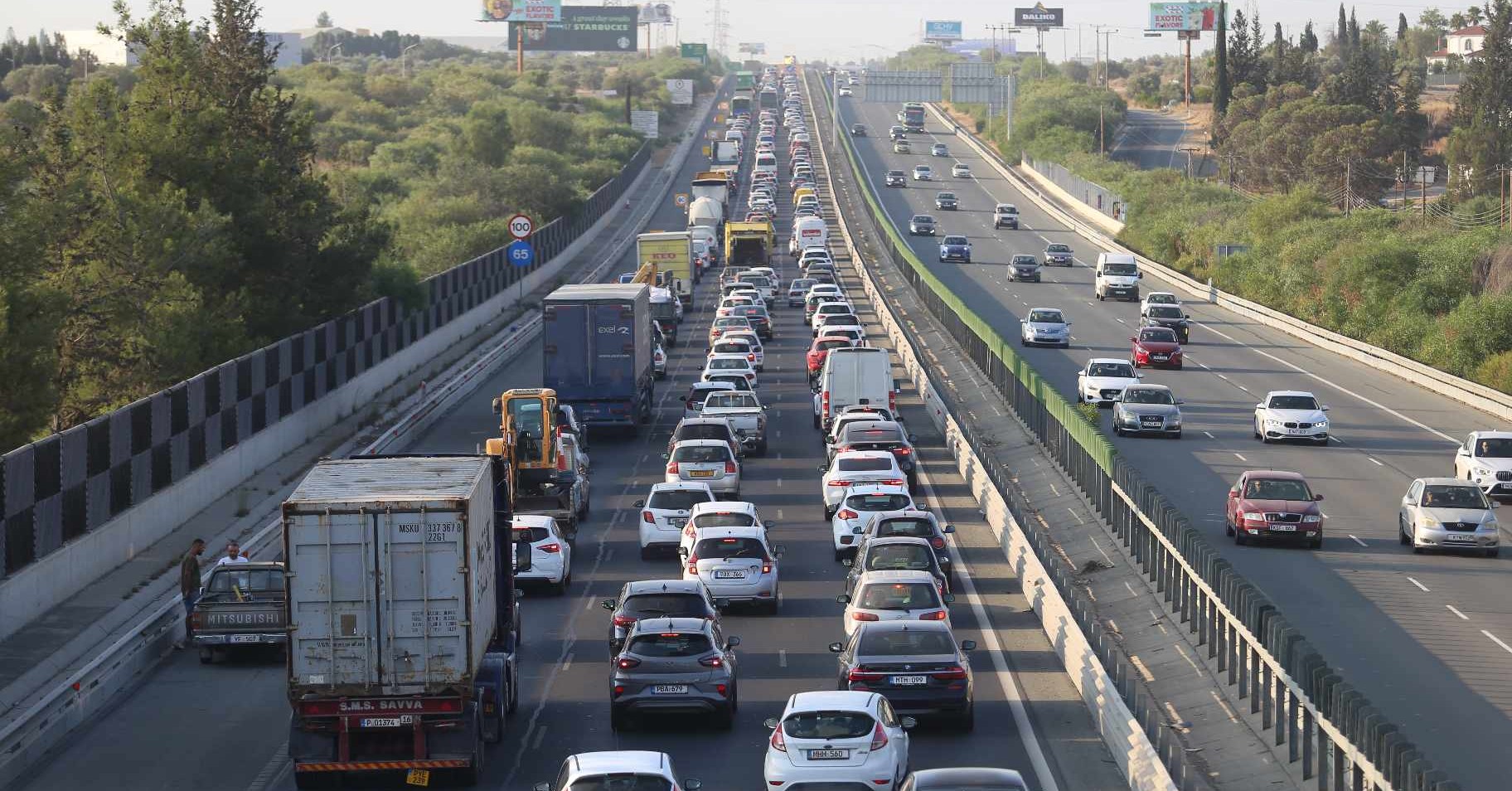
Cyprus continues to strengthen its position as one of the most car-dependent countries in the European Union. According to a study by the analytical company Dedomenon.eu, the island's vehicle fleet has grown by 126% over the past 22 years, while the population has increased by only 38%.
Today, around 1.1 million vehicles are registered in Cyprus, including more than 800,000 passenger cars. For an island nation with a population of approximately one million people, this represents one of the highest rates of car ownership in Europe.
Experts say this rapid growth has been driven by rising living standards, greater access to financing, and lower vehicle prices following Cyprus' accession to the European Union. During the same period, the country's economy expanded significantly, while both the vehicle fleet and GDP grew by around 140% more than the population.
Almost Every Resident Owns a Car
According to the study, Cyprus now has 0.81 passenger cars per resident. Over the past two decades, the number of passenger vehicles has increased from approximately 370,000 to 802,000, accounting for more than 70% of all registered vehicles.
Private cars remain the primary means of transport on the island. This is due not only to the affordability of vehicle ownership but also to the limited availability of public transport. Although the bus network has gradually expanded, most residents still rely on their own cars for commuting, education and leisure travel.
Cyprus Among the EU Leaders in Car Ownership
According to Eurostat data, Cyprus had 661 passenger cars per 1,000 inhabitants in 2024. This placed the country fourth in the European Union, behind only Italy (701), Luxembourg (670) and Finland (666). By comparison, the EU average stands at 578 passenger cars per 1,000 inhabitants.
Such a high concentration of vehicles inevitably puts additional pressure on the island's road infrastructure. Traffic congestion is common in major cities, particularly Limassol, Nicosia and Larnaca, while finding a parking space is becoming increasingly difficult. This is why municipalities are actively introducing digital solutions. For example, Limassol is preparing to launch its Smart Parking system, allowing drivers to locate available spaces and pay for parking via a mobile application.
Cars Are Becoming More Environmentally Friendly
Despite the rapid growth in the number of vehicles, the structure of the market is gradually changing. Petrol-powered cars still account for 59% of the fleet, while diesel vehicles represent 33%. Hybrids and electric vehicles currently make up around 7%, although this segment is growing the fastest.
The shift is particularly evident in the new car market. While diesel vehicles accounted for 49% of all new registrations in 2019, their share had fallen to just 19% by 2025. At the same time, hybrid and fully electric vehicles now represent approximately 39% of all newly registered cars.
Cyprus is gradually following the broader European transition towards cleaner transportation. According to the study, the share of newly registered electrified vehicles on the island already exceeds the EU average. Government incentives for purchasing electric vehicles, along with the continuous expansion of the charging network, are further accelerating this transition.
Why Fuel Consumption Has Barely Increased
Interestingly, despite the dramatic increase in the number of vehicles, total fuel consumption has remained largely unchanged. Analysts estimate annual fuel consumption at between 500,000 and 650,000 tonnes. The main reason is that modern vehicles are significantly more fuel-efficient than their predecessors. New engines consume less fuel, while the growing popularity of hybrid vehicles further reduces overall demand for petrol and diesel. Premium 98-octane petrol remains the least popular fuel, mainly because of its considerably higher price.
Although buying a car in Cyprus is still less expensive than in many other European countries, ownership costs continue to rise. According to Eurostat, fuel and lubricant prices across the European Union increased by an average of 20.7% year-on-year in May 2026. Diesel prices rose by 29%, while petrol increased by 16.2%. In Cyprus, the increase was close to the European average, reaching approximately 20.5%.
What's Next for Cyprus' Automotive Market?
Experts believe the number of vehicles in Cyprus will continue to grow, although at a slower pace. At the same time, the share of electric vehicles is expected to increase further, charging infrastructure will continue to expand, and additional digital solutions for traffic management and parking will be introduced.
Modernising the transport system remains one of the government's key priorities. Expanding the road network, improving public transport and introducing intelligent transport technologies are expected to reduce congestion and make travelling across the island more convenient for both residents and the millions of tourists who visit Cyprus each year.
Browse a wide selection of vehicles on the DOMCar portal.