
In Cyprus, a debate has erupted over state support for fuel prices. The head of the Pancyprian Consumers Association, Marios Drousiotis, stated that a significant portion of the subsidy of 8.33 euro cents per liter was effectively not passed on to consumers.
According to him, monitoring data shows that the market responded unevenly to the support measures. This has raised doubts about how effectively government actions are helping to reduce drivers’ expenses.
How gas stations responded to the subsidy
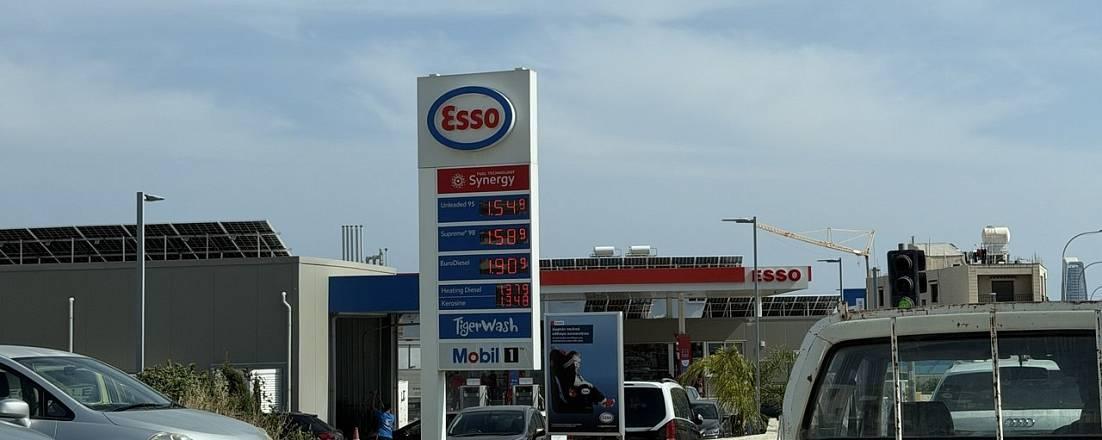
According to the association, 19 petrol stations did not lower prices at all, effectively keeping the full amount of state support within their margins. Another 97 stations reduced fuel prices, but not in full.
Of these 97 stations, only 19 lowered prices by between 2.5 and 6.5 cents per liter, which is significantly below the subsidy level. This means that part of the support remained with market operators rather than reaching the end consumer. This situation increases public distrust and raises questions about the transparency of fuel pricing.
Legal, but causes dissatisfaction
Drousiotis emphasized that such actions may be within the law, but from a fairness perspective they raise serious concerns.
He noted that the state failed to provide a mechanism that would guarantee the transfer of the subsidy to end consumers. In his view, this is a serious flaw in the implementation of the support program.
It was also revealed that, in addition to one company that officially announced a price increase, another 22 stations raised fuel prices without public notice. At the same time, for 7 of them the increase exceeded 2 cents per liter.
Why fuel prices are difficult to control
One of the key problems remains the lack of transparency in the pricing chain. While retail fuel prices are available and monitored, data on import purchase prices is hardly published. This makes it difficult to objectively assess whether the actions of petrol stations are justified and whether they are indeed retaining part of the subsidies.
The situation is further complicated by the high volatility of global oil prices. In recent months, the market has been under pressure due to geopolitical factors and fluctuations in energy costs, which directly affect gasoline prices in Cyprus.
What this means for drivers in Cyprus
For ordinary consumers, this means that even with government support, fuel prices may remain higher than expected. Drivers do not always receive the full benefit of subsidies, increasing their financial burden.
Experts believe that without additional control mechanisms and greater transparency, similar situations may recur. Amid the rising cost of living in Cyprus, fuel prices remain one of the most sensitive issues for the population.
Outlook: should changes be expected?
Amid criticism, pressure is mounting on authorities and regulatory bodies, including structures under the Ministry of Energy, to reconsider their approach to price control. New measures aimed at increasing market transparency and protecting consumers may be proposed in the near future. However, the situation remains uncertain, and it is difficult to predict future fuel price movements due to their frequent and sharp fluctuations.
A wide selection of cars on the portal DOMCar.
Photos: pixabay.com, DOM