The Government of Cyprus did not support the proposal to require mobile speed camera vans to be equipped with flashing beacons. The main argument was additional expenses for the budget. The decision sparked a new wave of discussions around the traffic violation photo enforcement system and its transparency.
Why the initiative about beacons was rejected
The idea was introduced by Green Party MP Stavros Papadouris. He insisted that mobile cameras should be clearly visible on the road. In his opinion, the main goal of the system is prevention and accident reduction, not the collection of fines. Drivers, according to the MP, should have clear visual contact with speed control vehicles in order to slow down in advance and avoid violations.
However, representatives of the Attorney General’s Office stated that installing flashing beacons would automatically lead to additional expenses. In accordance with Article 80.2 of the Constitution of Cyprus, MPs cannot introduce bills that increase state obligations. This principle was previously confirmed by the Supreme Constitutional Court of Cyprus.
Officials emphasized that even if the expenses are formally imposed on the private contractor company servicing the mobile cameras, they will ultimately still be included in the contract cost and paid by the state.
How the mobile camera system works in Cyprus
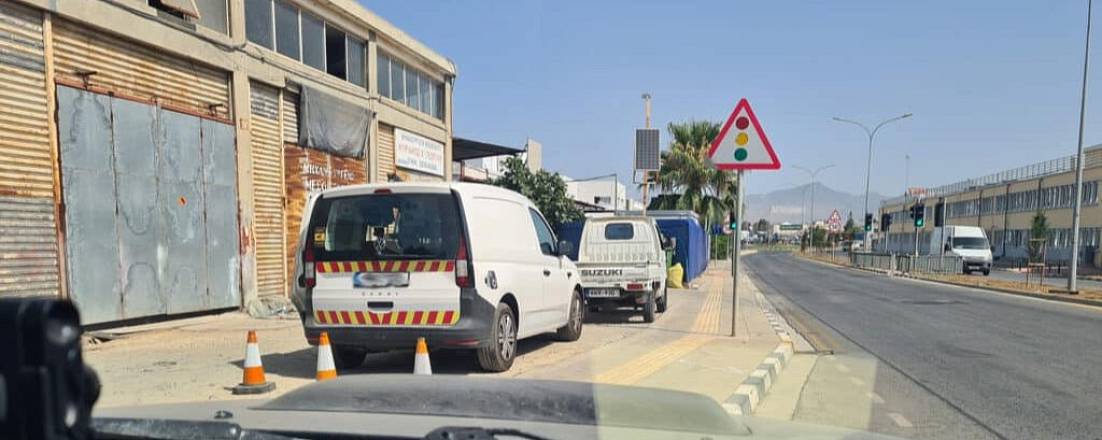
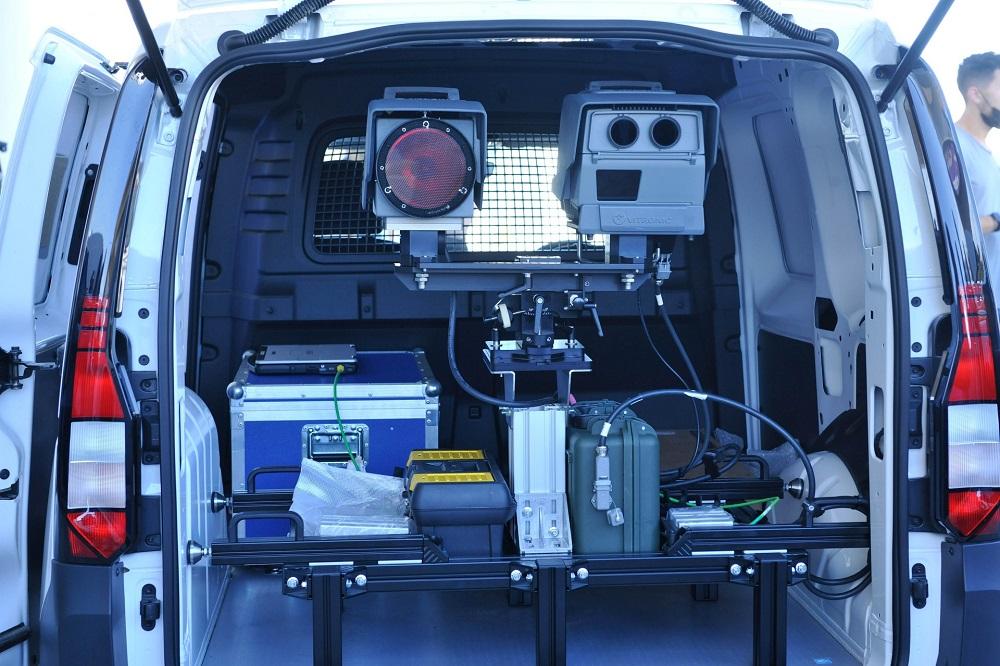
Today, stationary and mobile photo and video enforcement systems operate on the roads of Cyprus. Mobile cameras are placed in white vans, often without bright identifying signs. They record speeding, mobile phone use while driving, and unfastened seat belts. After data processing, fine notifications are sent to vehicle owners by mail.
The traffic control system is operated by a private operator under contract with the state. In 2024, this contract already caused disputes in Parliament. Opposition MPs demanded greater transparency of the agreement terms and disclosure of details of cooperation with the contractor.
According to official data from the Ministry of Transport, the introduction of automatic cameras made it possible to significantly increase the number of detected violations and, according to authorities’ estimates, influenced a reduction in the number of serious road accidents. At the same time, public discussion about the balance between safety and the fiscal function of the system continues.
What alternative was proposed
The Ministry of Transport requested from the contractor a calculation of the possible cost of installing beacons, but has not yet received a response. As a more economical option, the Ministry of Justice proposed equipping the vans with reflective panels instead of flashing lights. According to officials, such an approach will make the vehicles more visible without a significant increase in expenses.
The question of whether mobile cameras should be hidden or visible remains a subject of public discussion. Some believe that hidden control disciplines drivers in the long term. Others are convinced that an open and transparent system better corresponds to the principles of prevention and trust in the state.
The discussion around mobile speed control cameras in Cyprus shows that the topic of road safety, budget expenses, and transparency of government contracts remains one of the most sensitive for society.
A large selection of cars on the portal DOMCar.
Photos: cyprus-mail.com