
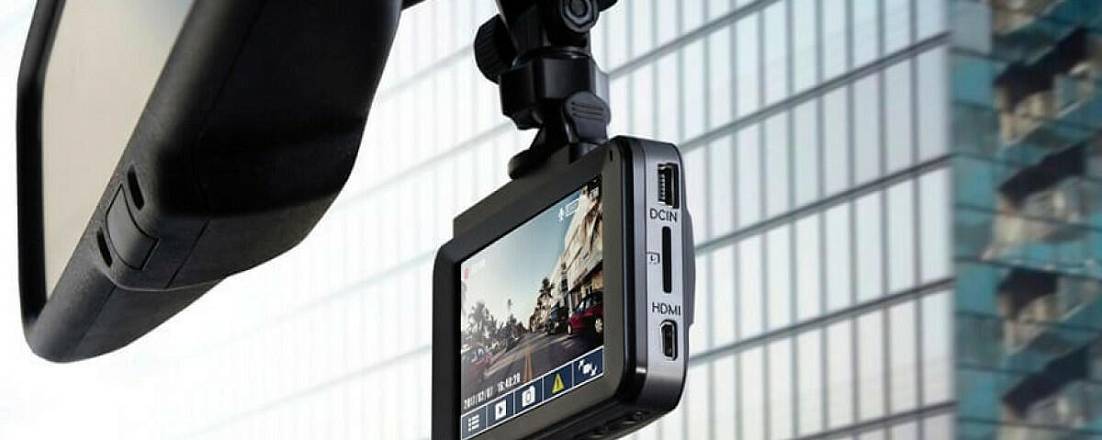
Cyprus is preparing for significant changes in road safety and the use of technology on its roads. Starting from July 23, 2026, drivers will be allowed to use dashcams throughout the country. The relevant amendments to the legislation were published in the Official Gazette of the Republic of Cyprus on April 22, 2026.
The new regulations will put an end to years of uncertainty surrounding the legality of dashcams and establish clear rules for drivers, companies, and public authorities. However, officials emphasize that permission to use dashcams does not mean complete freedom in handling recorded footage. Particular attention will be given to personal data protection and the right to privacy.
Dashcams Will Become a Legal Tool for Driver Protection
Until now, the use of dashcams in Cyprus was effectively prohibited. Many motorists installed cameras for their own protection, but the legislation did not provide clear guidance regarding their use. The new rules officially allow the installation and operation of recording devices in private cars, commercial vehicles, and government-owned transport.
The main objective of the changes is to improve road safety and simplify the investigation of traffic incidents. Video recordings may be used to protect drivers' interests in the event of a road accident, document traffic violations, and record potential criminal activity. Experts note that similar practices have long been adopted in many European countries and significantly speed up the resolution of disputed situations on the roads.
How Dashcam Footage Can Be Used
According to the new legal provisions, dashcam recordings may be used to verify the circumstances of a road traffic accident and protect drivers in the event of disputes. Video footage may also be submitted to the police for the investigation of traffic offences, accidents, or criminal acts.
For transport companies, dashcams will become an additional tool for fleet monitoring and safety management. This is particularly relevant for delivery services, freight transport operators, taxis, and passenger transportation companies. Against the backdrop of increasing traffic volumes and a growing number of vehicles on Cypriot roads, these measures are seen as an important step toward improving road safety.

Publishing Recordings Online Will Be Prohibited
One of the key aspects of the new legislation is the protection of citizens' personal data. The use of video recordings must not violate privacy and data protection laws. Failure to comply with these requirements may result in administrative fines and other sanctions under personal data protection legislation.
Importantly, drivers will not be allowed to freely publish dashcam footage on social media, video-sharing platforms, or other public websites if the recordings contain identifiable individuals, vehicle registration numbers, or other information that could reveal the identity of third parties.
Publishing such material will require the consent of all individuals appearing in the footage. If minors are featured in the recording, permission must also be obtained from their parents or legal guardians. In the near future, Cyprus’ Commissioner for Personal Data Protection is expected to issue official guidelines regarding the collection, storage, and use of video recordings.
Police and Insurance Companies to Gain New Opportunities
Once the law comes into force, law enforcement authorities will be able to use dashcam footage during investigations of accidents, traffic violations, and criminal offences. Insurance companies will also be allowed to take video evidence into account when assessing insurance claims. This is expected to help establish the facts of incidents more quickly and facilitate decisions regarding compensation payments.
Insurance industry specialists believe that the use of video recordings will help reduce fraudulent claims and disputes during the compensation process. In many countries, the presence of a dashcam already has a positive impact on the speed of claim settlements and reduces the number of court cases.
Despite the legalization of dashcams, recordings will not automatically be accepted as evidence in court proceedings. Courts will continue to decide independently whether a particular video recording is admissible as evidence. This means that simply having footage does not guarantee its use in legal proceedings. Judges will consider how the recording was obtained, whether data protection requirements were respected, and other legal factors.
What Will Change for Drivers in Cyprus?
The legalization of dashcams is considered one of the most anticipated changes to Cyprus’ road traffic legislation in recent years. More and more motorists are using modern technology to enhance their safety and protect their legal rights.
According to experts, the popularity of dashcams in Cyprus is expected to increase significantly after the law takes effect. Devices offering high-resolution recording, night vision capabilities, and automatic emergency video saving are likely to be particularly sought after. At the same time, drivers are advised to carefully follow any new official guidance and comply with personal data processing rules to ensure that the use of a dashcam does not result in fines or other legal consequences.
A wide selection of vehicles is available on the DOMCar portal.
Photos: pixabay.com, DOM