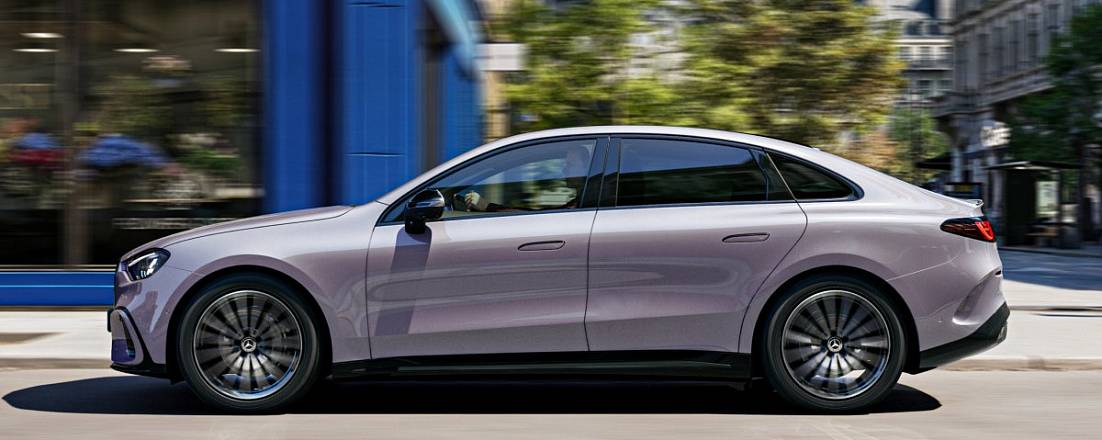
In spring 2026, Mercedes-Benz introduced a fully electric C-Class model, which became a separate model within the brand’s lineup. Now, the C 400 4MATIC electric, which was the flagship version at launch, has been joined by the more affordable C 300 4MATIC electric. It retains the dual-motor all-wheel-drive system and maximum torque of 800 Nm, but power has been reduced from 489 to 421 hp. As a result, acceleration from 0 to 100 km/h takes 4.5 seconds instead of 4.0 seconds in the C 400. The top speed of both versions is 210 km/h.
The main difference is not only in power. The C 300 is equipped with a lithium-ion battery with a usable capacity of 85 kWh instead of the 94 kWh unit used in the C 400. As a result, its WLTP range is 549–690 km depending on specification and conditions, while the C 400 can travel 594–762 km. At the same time, Mercedes has retained the high efficiency of the powertrain: the C 300 has a claimed energy consumption of 14.1–17.8 kWh per 100 km, depending on configuration.
Charging: up to 290 km in 10 minutes
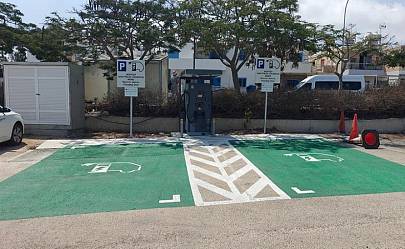
The new model is built on an 800-volt architecture. The C 300 4MATIC electric supports DC fast charging at up to 320 kW, while the C 400 can accept up to 330 kW. In 10 minutes of fast charging, the C 300 can add up to 290 km of WLTP range. For the C 400, the figure is 325 km. Despite the difference in battery capacity, charging from 10% to 80% takes the same 22 minutes for both versions.
Mercedes has also improved the regenerative braking system. Maximum recuperation power reaches 300 kW, and the system is capable of recovering energy even in situations where ABS is activated. According to the manufacturer, up to 99% of braking events can be carried out without using conventional friction brakes. For everyday use, 11 kW AC charging is included as standard. An optional 22 kW charger is also available.
Dimensions, interior and technology
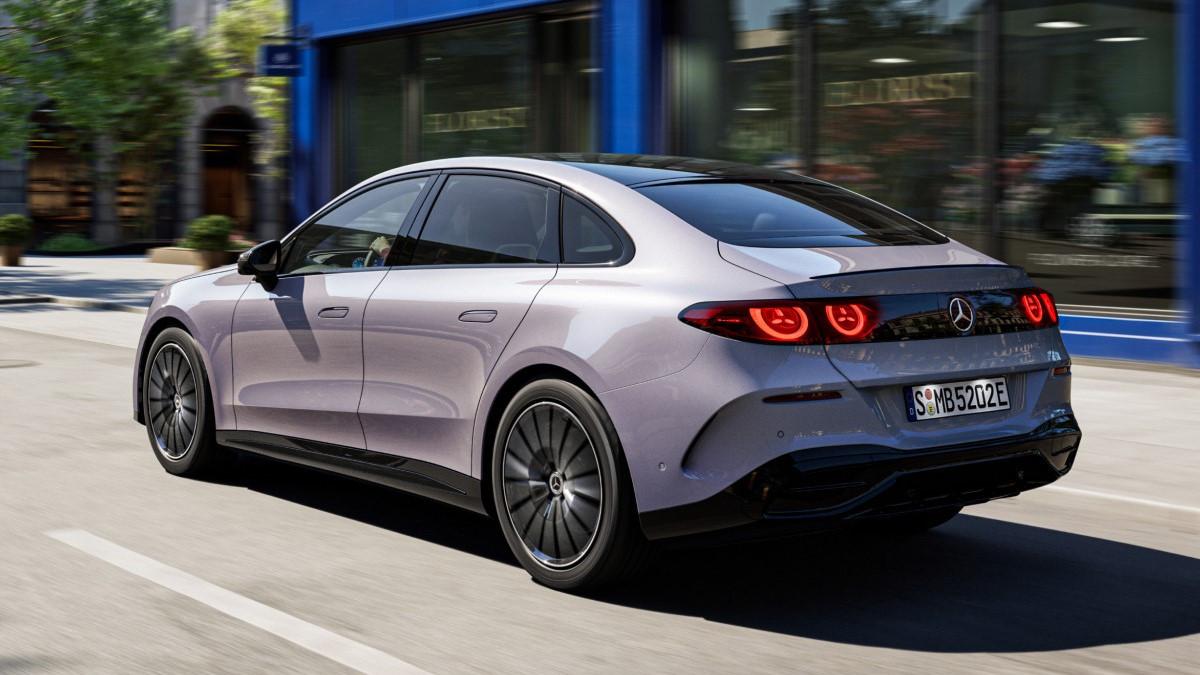
Externally, the C 300 4MATIC electric is almost identical to the C 400. The car features an illuminated grille, LED lighting with a three-pointed star motif, connected rear lights, a three-window side profile and retractable door handles. The dimensions of the electric sedan are:
- length — 4,883 mm;
- width — 1,892 mm;
- height — 1,503 mm;
- wheelbase — 2,962 mm;
- wheel size — from 18 to 20 inches.
For luggage, the car offers 470 litres of space in the main boot and a further 101 litres in the front luggage compartment. The maximum permitted towing capacity for a braked trailer is 1.8 tonnes. The centrepiece of the interior is the MBUX digital system. In the highest specification, the car is equipped with a huge 39.1-inch MBUX Hyperscreen, which integrates the vehicle displays and multimedia system into a single panel.
More affordable versions are equipped with the MBUX Superscreen featuring three separate displays: a 10.3-inch instrument cluster and two 14-inch screens for the multimedia system and front passenger. The car runs on the new MB.OS software platform and supports digital services and a voice assistant powered by artificial intelligence. Modern driver assistance systems are also available, while optional AIRMATIC air suspension and rear-wheel steering improve comfort and manoeuvrability.
Pricing for private buyers starts at €62,951 including VAT. For comparison, the C 400 4MATIC electric costs €67,711. This means the difference is €4,760. For corporate customers, the starting price of the C 300 excluding VAT is €52,900, while the C 400 starts at €56,900.
Mercedes-Benz will continue to expand the electric C-Class family. The company has already confirmed the introduction of rear-wheel-drive versions and additional battery options. Exact launch dates have not yet been announced.
A wide selection of vehicles is available on the DOMCar portal.
Photos: autokinito.com.cy