

One of the largest digital infrastructure projects in Limassol is set to launch in early July. The municipality is introducing a modern Smart Parking system that will allow drivers to locate available parking spaces in real time, pay for parking through a mobile app, and significantly reduce the time spent searching for a space in the city centre.
The new system is a key part of the city's digital transformation programme and aims to reduce traffic congestion, ease pressure on the road network, and improve convenience for both residents and the many tourists visiting Limassol.
How the Smart Parking System Will Work
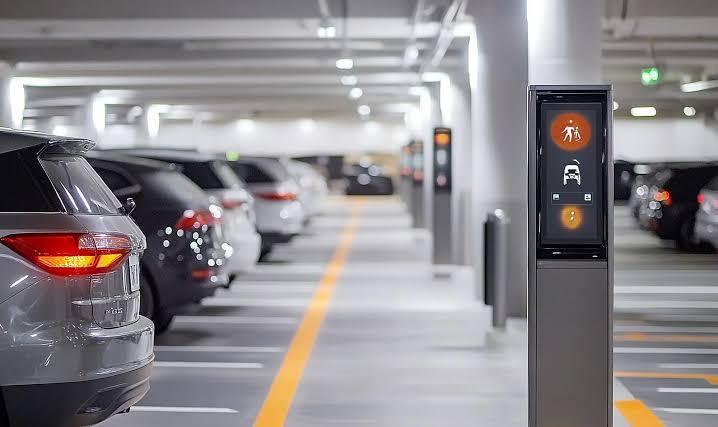
The new technology will be based on intelligent sensors installed in every parking space. These sensors automatically detect whether a space is occupied or vacant and instantly transmit the information to a central digital platform.
Drivers will be able to open a mobile application and view available parking spaces across the city on a live map. This will eliminate the lengthy search for parking, particularly in central Limassol during the busy tourist season.
Paying for parking will also become much easier. Users will be able to pay directly through the app using a bank card or use modern parking payment machines. Municipal car parks will also be equipped with automatic barriers that record vehicle entry and exit times.
Similar smart parking systems are already operating successfully in Barcelona, Amsterdam, Vienna, Copenhagen and other European cities, where they have reduced the number of vehicles circulating in search of parking by 20–30%.
Nearly 2,500 Parking Spaces to Be Connected to a Single Digital Network
The project covers approximately 2,500 parking spaces in central Limassol. Around 1,500 are located along city streets, while another 876 are situated in municipal parking areas, including those along the seafront and the city's busiest public car parks. Effectively, nearly all central parking infrastructure will operate through one integrated smart platform.
The system will also allow municipal inspectors to monitor parking activity in real time. This will help identify parking violations more quickly and improve enforcement across municipal car parks. According to urban mobility experts, digital monitoring not only encourages better parking discipline but also increases parking space turnover, which is particularly important in business and tourist districts.
How Much Will Parking Cost?
The Limassol Municipal Council has not yet approved the final pricing, but parking is expected to cost around €1 per hour. A minimum payment may also be introduced, while the maximum daily parking fee is expected to be capped at €15, regardless of the length of stay.
The municipality is also considering discounted rates for permanent residents and certain other groups. Officials stress that the primary goal of the new system is to ensure a continuous turnover of vehicles. As a result, long-term parking in the city centre will be restricted. This approach reflects the transport policies adopted by many European cities, where parking space is treated as a shared public resource that should be used as efficiently as possible.
Other Changes
Alongside the Smart Parking launch, several major municipal car parks will begin undergoing upgrades in July. One of the first to be modernised will be the Enaerios parking area, where traffic circulation will be reorganised, entry and exit arrangements improved, and the entire layout redesigned to enhance user convenience.
Following these works, upgrades will continue at municipal car parks near the seafront and the marina district, which serve thousands of residents and tourists every day. The rollout is taking place in stages. As early as January 2026, the municipal car park on Andrea Themistokleous Street became fully cashless, accepting payments exclusively by bank card. This marked the first step towards a fully digital parking management system.
Project Background
The idea of introducing a smart parking system was first presented by the Municipality of Limassol in 2023 as part of its vision for developing a modern smart city. After completing the technical planning phase, the municipality signed a contract with Blue Sun Automation Ltd in June 2025. The project is valued at €5.172 million excluding VAT.
Under the agreement, the contractor is required to complete the installation within one year. The contract also includes operation and maintenance of the system for the first five years, with an option to extend for another five years. The project covers the installation of intelligent parking sensors, infrastructure upgrades, the creation of a digital management platform, a mobile application, and software for municipal services.
Municipal authorities view the launch of Smart Parking as a major step towards creating a more modern urban environment. According to Limassol Mayor Yiannis Armeftis, the project is intended not only to improve convenience for motorists but also to create a greener, safer and more technologically advanced city.
Browse a wide selection of vehicles on the DOMCar portal.
Photos: pixabay.com, DOM