
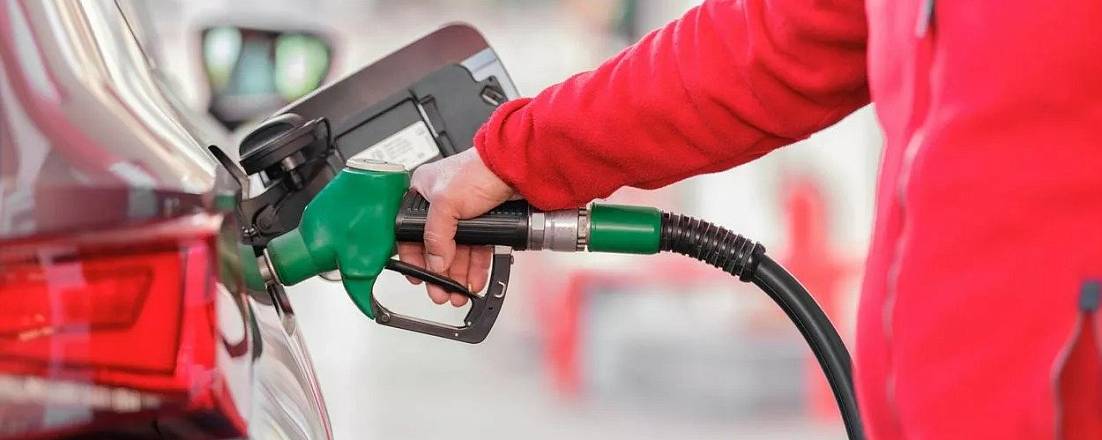
The Parliament of Cyprus has unanimously approved a bill to reduce excise duty on fuel. The new measures will take effect from Saturday, April 4, and will remain in place until the end of June 2026. The total cost to the state budget is estimated at €18.6 million.
Potential risks and price control
Despite the positive impact for consumers, several MPs expressed concern that fuel companies may not fully pass on the benefits of the tax reduction to end customers. The head of the Finance Committee, Christiana Erotokritou, called on the Consumer Protection Service under the Ministry of Energy to strengthen market oversight.
Her position was supported by Democratic Rally MP Onoufrios Koullas, who stressed the need for strict price monitoring and the prevention of speculation, especially in the run-up to upcoming elections. He also highlighted the importance of additional support measures for vulnerable groups and the tourism sector, which plays a key role in the country’s economy.
ELAM MP Sotiris Ioannou pointed out that taxes account for between 40% and 50% of the final fuel price. According to him, the state is already losing significant revenue, as many Greek Cypriots purchase cheaper fuel in the northern part of the island. This factor continues to put pressure on the domestic market and reduces tax revenues, which is particularly sensitive amid rising public spending.

Criticism of timing and further decisions
Criticism was also voiced by the opposition. AKEL MP Andreas Kafkalias stated that the government had announced the excise reduction last week but only submitted the bill now. In his view, this gave market participants time to adapt and partially offset the effect of the price reduction.
A representative of the Ministry of Finance said that once the measure expires at the end of June, its effectiveness will be evaluated. If necessary, the authorities may extend the excise reduction or introduce additional support measures.
It is worth noting that in 2026, fuel prices remain one of the key economic issues in Cyprus and across the EU. Fluctuations in oil prices, inflation, and geopolitical factors continue to impact household and business expenses.
The reduction in excise duty is seen as a temporary support measure aimed at easing the financial burden on the population and stimulating the economy. However, its effectiveness will largely depend on market transparency and government oversight.
A wide selection of cars on the portal DOMCar.
Photos: pixabay.com, DOM