
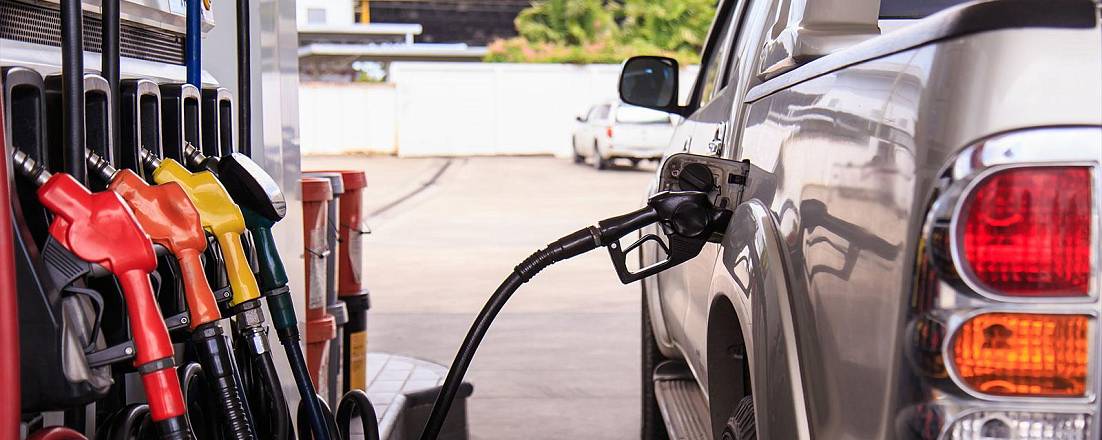
Amid persistently high oil prices and the risk of rising inflation due to tensions in the Middle East, increasing attention is being paid to fuel costs in different countries. These differences are especially noticeable in Europe, where tax burdens and dependence on imported energy resources make fuel significantly more expensive.
For Cyprus, this issue remains highly relevant. The island is almost entirely dependent on imported fuel, so any fluctuations in global prices directly impact residents’ wallets and the overall cost of living.
Where petrol is cheapest and most expensive
As of March 23, 2026, petrol prices worldwide range from minimal to record levels. The lowest price is recorded in Libya — €0.02 per liter. In Iran, petrol costs €0.025, and in Venezuela — €0.03. Relatively cheap fuel can also be found in Angola — €0.282 and Kuwait — €0.295 per liter.
The highest prices are observed in Hong Kong, where the cost reaches €3.498 per liter. In Malawi, the price is €2.463, in Norway — €2.36, in Denmark — €2.283, and in the Netherlands — €2.254 per liter. Such differences are explained not only by access to oil but also by the level of taxes, subsidies, and overall economic policies of each country.
Fuel prices in Cyprus and major economies
Comparing individual countries, petrol costs €0.718 per liter in Russia, €0.976 in the United States, €1.149 in China, and €1.223 in Turkey. In Cyprus, the average price reaches €1.498 per liter, making it one of the relatively expensive countries in the region. For comparison, petrol costs €1.666 in the United Kingdom, €1.945 in France, €2.003 in Israel, €2.037 in Greece, and €2.063 per liter in Germany.
Why Europe pays more
High prices in European countries, including Cyprus, are largely explained by the significant share of taxes in the final fuel price. In some cases, they account for 40–50% of the cost per liter. Additionally, environmental charges, emissions reduction policies, and the transition to “green” energy also play a role. For Cyprus, logistics is another key factor. Fuel is imported by sea, which increases costs. Limited competition in the domestic market also affects pricing.
In 2026, fuel prices continue to play a key role in shaping inflation. For Cyprus, this is particularly important, as rising petrol costs directly affect transport, tourism, and the prices of goods. Experts expect that the situation in the coming months will depend on geopolitics and decisions by OPEC+ countries. At the same time, Cypriot authorities are considering temporary support measures, including tax reductions and the development of alternative energy.
A wide selection of cars on the DOMCar portal.
Photos: pixabay.com, DOM