
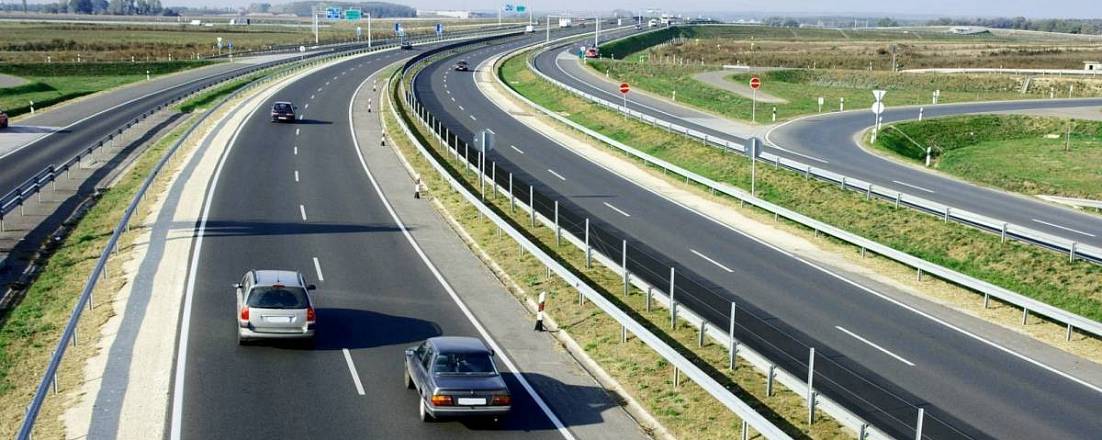
Cyprus demonstrates strong indicators in the development of its road network compared to a number of European regions. According to the latest Eurostat data, the density of motorways on the island is about 29 km per 1,000 km2. This figure is lower than in the largest European megacities, but it is on par with many southern regions and confirms the steady development of the country’s transport infrastructure.
This situation is explained by the geographical features and population distribution. The main motorways are concentrated around major cities, tourist areas, and ports, where traffic load is significantly higher. For Cyprus, this is especially important, as the island’s economy largely depends on tourism, logistics, and internal mobility.
Comparison with other European countries
If we compare Cyprus with regions of Greece, the island looks quite strong. The density of motorways here is significantly higher than in central Greece or the Peloponnese and substantially exceeds the indicators of Crete, where the development of the road network is limited by geographical conditions.
At the same time, Cyprus lags behind more urbanized regions such as Athens, as well as major European centers like Madrid or Paris, where motorway density is many times higher due to high population concentration and developed economies. Nevertheless, in terms of infrastructure, Cyprus is close to regions such as Emilia-Romagna in Italy, which indicates a fairly balanced level of development.
European leaders and differences in infrastructure
Across the European Union, the highest motorway density is recorded in the industrially developed regions of Germany and the Netherlands, where the transport network plays a key role in the economy. At the same time, in a number of European regions, motorways are completely absent, which is most often associated with island location or low population density. Such differences highlight the uneven development of transport infrastructure in Europe. In this context, Cyprus occupies an intermediate position, providing an adequate level of road accessibility within a limited territory.
Railways and the features of Cyprus
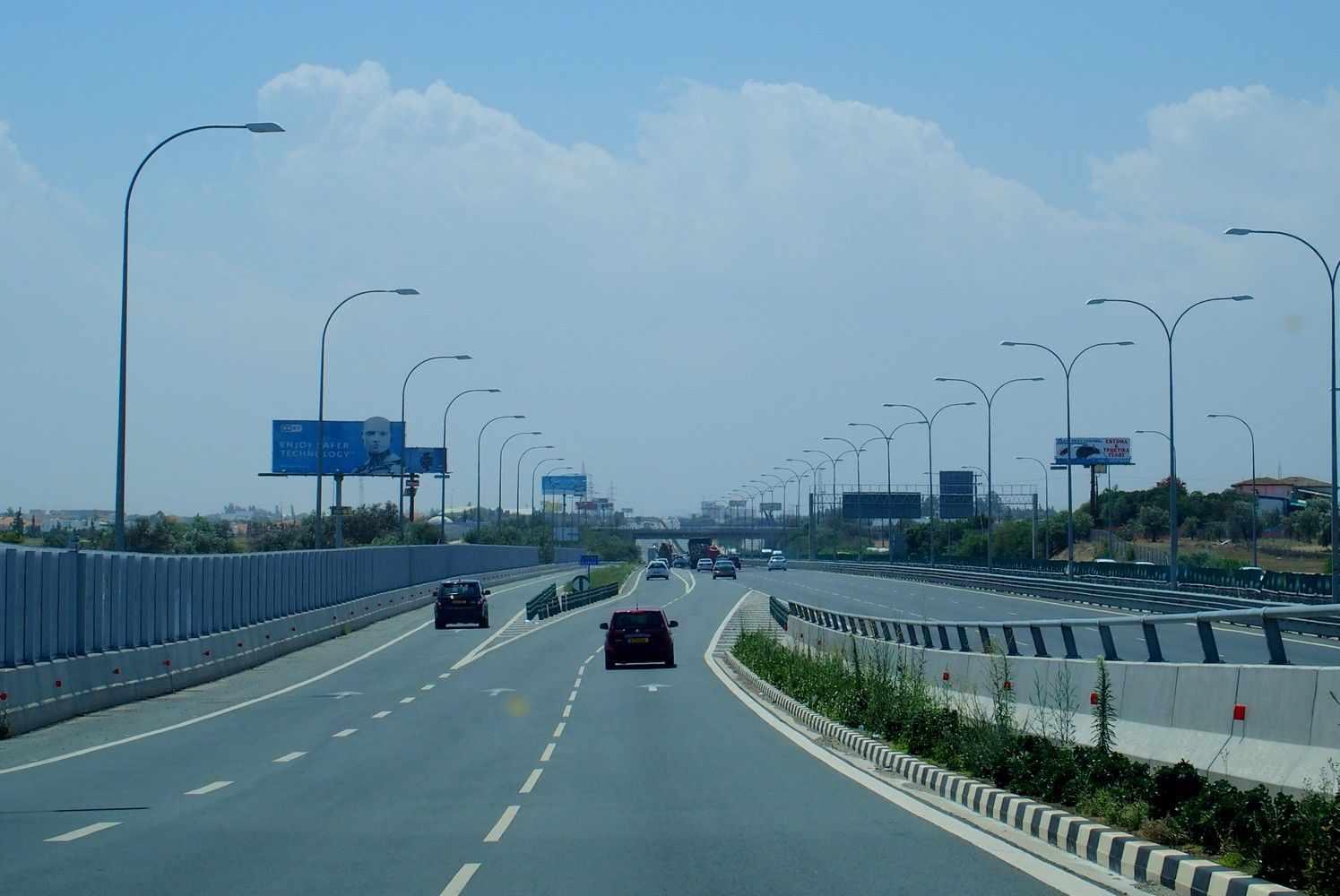
Interestingly, unlike most European countries, Cyprus does not have a railway network. This makes road transport the main means of movement for both local residents and tourists. In Europe, on the contrary, many cities actively develop railway infrastructure, especially in large megacities, where line density reaches high levels.
The absence of railways in Cyprus increases the load on motorways and makes their development a priority direction of transport policy. In recent years, the country’s authorities have actively invested in road modernization, improving safety, and expanding key routes connecting cities and tourist regions.
Prospects for the development of the transport system
Experts believe that in the coming years Cyprus will continue to develop its road infrastructure, focusing on sustainable mobility and reducing environmental impact. Projects are being discussed to introduce smart transport systems, develop public transport, and improve connections between regions.
Given the growth of tourism and the increasing number of cars on the island, the modernization of the road network is becoming a strategic task. Cyprus aims to maintain a balance between infrastructure development and environmental protection to ensure comfortable and safe movement for residents and visitors of the country.
A large selection of cars on the portal DOMCar.
Photos: pixabay.com, DOM