
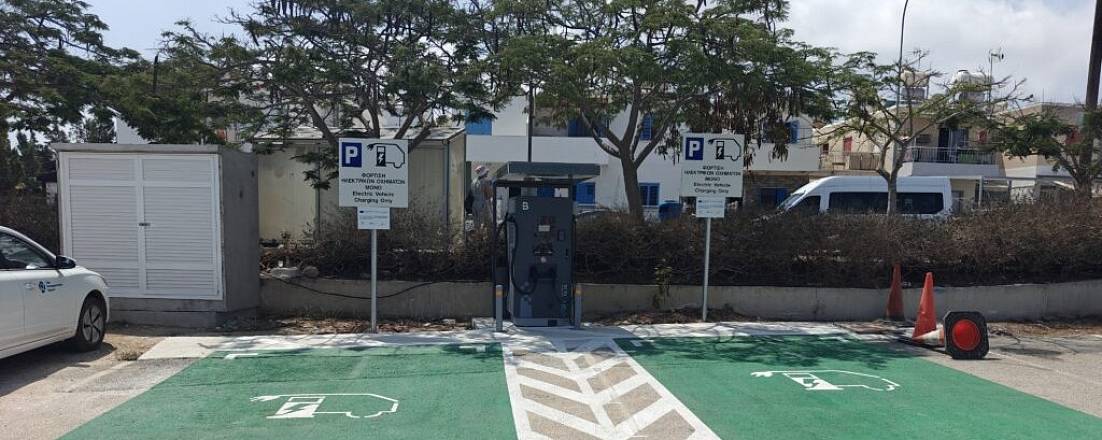
The Cyprus Ministry of Transport has completed the installation of 11 modern fast-charging stations for electric vehicles across the island. The new infrastructure covers both major cities and remote mountainous regions, where EV owners previously faced a shortage of charging facilities.
The project was implemented with support from the European Recovery and Resilience Facility. The total cost of the programme amounted to approximately €918,000, including VAT and five years of technical maintenance for the equipment.
According to Cyprus Transport Minister Alexis Vafeades, expanding charging infrastructure is becoming a key requirement for the continued growth of electric mobility on the island. Authorities expect the new stations to help make Cyprus’ transport system more modern, environmentally friendly, and convenient for both residents and visitors.
Where the New Charging Stations Have Been Installed
The new network operates under a “10+1” model. Ten stations were installed through a government tender process, while an additional station was built separately in Kato Pyrgos as part of a programme supporting remote communities. Charging stations have been installed near the main hospitals in Nicosia and Limassol, close to the Famagusta General Hospital Medical Centre, and in the areas of Kyperounta, Larnaca, and Paphos.
New charging points have also been added in Choirokoitia, Troodos Square, near the church in Trimiklini, at the popular tourist attraction Tombs of the Kings, in Chrysochous, and in Kato Pyrgos. Particular attention was given to mountain routes and remote settlements. These areas had long been considered among the most challenging regions for EV owners due to the lack of charging infrastructure.
How the New Charging Stations Work
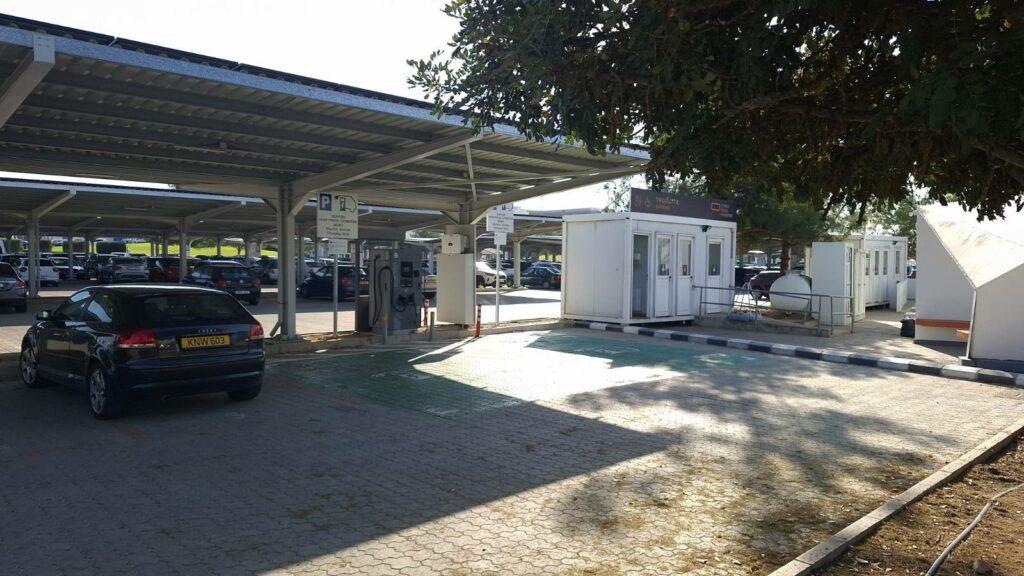
All newly installed stations support fast-charging technology, significantly reducing the time required to recharge an electric vehicle. Drivers can pay for charging in two ways: through a mobile application or directly at the station using a bank card via the integrated payment terminal.
According to the Ministry of Transport, Cyprus already has approximately 250 public charging points in operation. However, their distribution across the island has long been uneven. The new network is intended to reduce the gap between major urban centres and rural areas. This development is particularly important for journeys to the Troodos Mountains, a destination that remains highly popular with both tourists and local residents.
Electric Vehicles Continue to Gain Popularity in Cyprus
The electric vehicle market in Cyprus continues to grow steadily. While EVs accounted for just 0.69% of new vehicle registrations in 2020, the figure had increased to 4% by 2024. Much of this growth has been driven by government support programmes. Under the latest subsidy scheme, authorities allocated €36.5 million for the purchase of electric vehicles and the scrappage of older cars.
Demand for the programme has been exceptionally strong, with grant applications during previous phases closing within minutes of the online platform opening. Cyprus also operates a scheme that reimburses up to 55% of the cost of installing charging stations, including home charging units for private houses and residential complexes. Enhanced subsidies are available for residents of mountainous and remote areas, helping accelerate the adoption of sustainable transport beyond the island’s major cities.
What Will Change in the Coming Years
The new network of 11 charging stations is expected to address one of the main challenges facing electric mobility in Cyprus—the lack of charging infrastructure along intercity and mountain routes. Authorities are already preparing the next phase of expansion. Over the next two years, the Cyprus Ministry of Transport plans to install an additional 13 fast-charging stations across 11 new locations.
Industry experts note that the development of charging infrastructure is becoming increasingly important not only for environmental goals but also for Cyprus’ tourism sector. More and more European travellers are choosing electric vehicles during their holidays, and the availability of a convenient charging network directly affects the island’s appeal as a destination for sustainable tourism.
Against a backdrop of rising fuel prices and increasingly stringent European environmental requirements, Cyprus is gradually moving toward a more sustainable transport model in which electric vehicles are expected to play an increasingly significant role.
A wide selection of vehicles is available on the DOMCar.
Photos: pixabay.com, DOM