
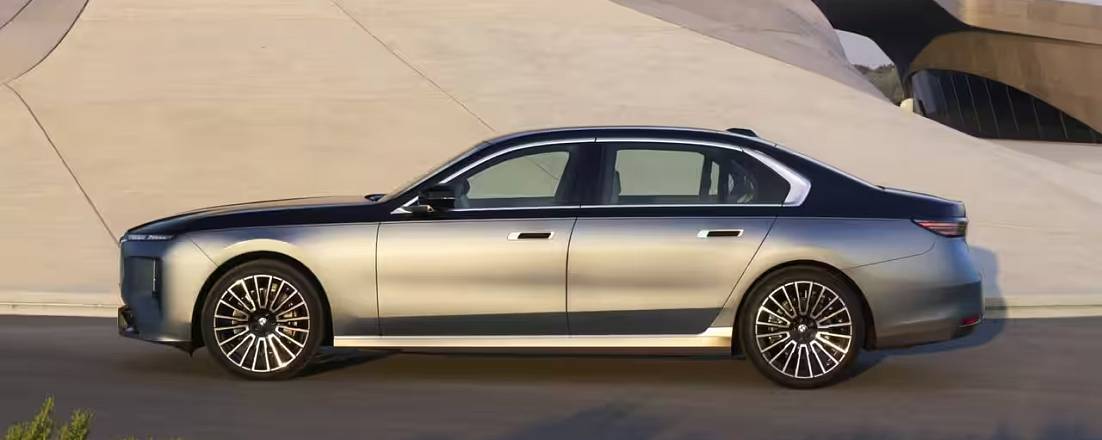
BMW has unveiled the next generation of its flagship BMW 7 Series sedan, holding large-scale presentations simultaneously in two key metropolises — New York and Beijing. The seventh generation of the model has become one of the most significant updates in the brand’s history, combining innovative design, digital technologies, and a transition toward electrification.
At launch, the lineup will include both fully electric versions and classic gasoline-powered modifications. Production of the new model will begin in July at the Dingolfing plant, which remains the key production site for the brand’s flagship vehicles.
New Design and the Neue Klasse Philosophy
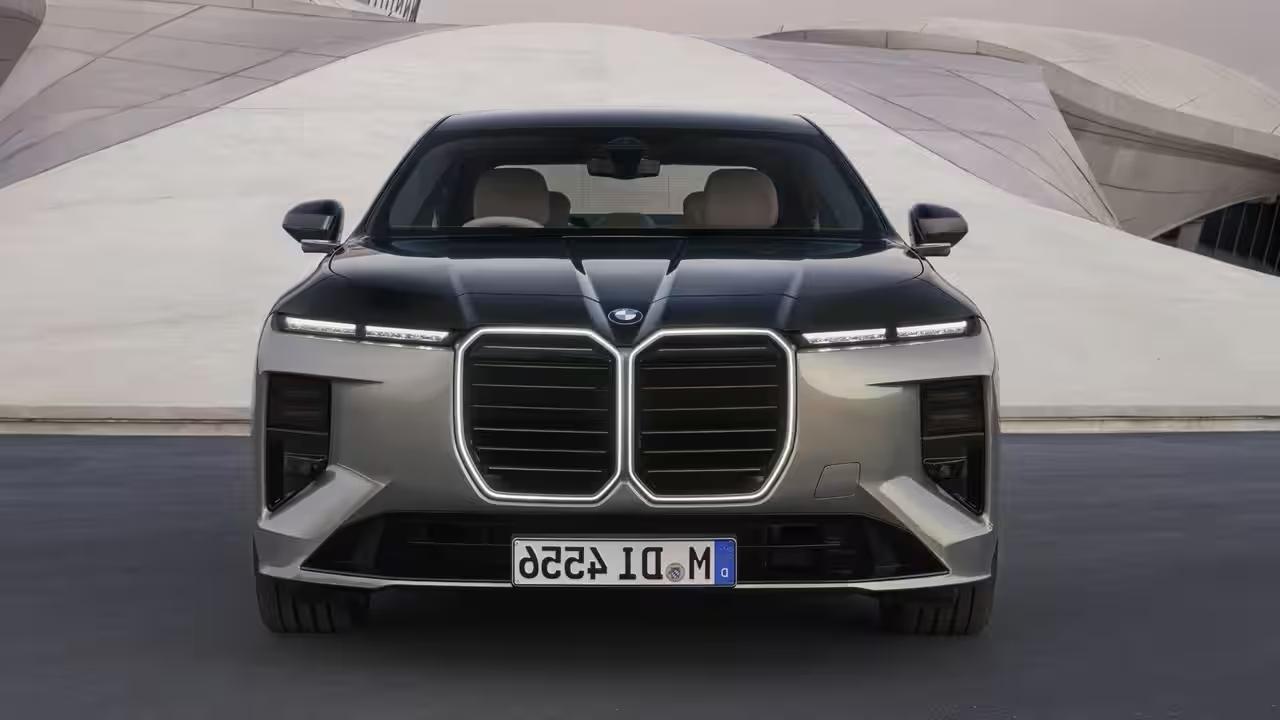
The exterior of the car has undergone radical changes and now follows the new Neue Klasse design concept. The front end has become more futuristic thanks to the two-level lighting system and the updated illuminated kidney grille, which integrates cameras and sensors. The new logo and redesigned body lines emphasize the model’s status as a technological leader in its segment.
This approach reflects the brand’s strategy of transitioning toward a more digital and environmentally friendly future, where design becomes not only an aesthetic element but also part of the car’s functional ecosystem.
Interior of the Future and Digital Technologies
The cabin of the new BMW 7 Series has become a true showcase of innovation. Inside, there are four main displays along with additional screens for rear passengers integrated into the armrests. The “hidden technology” concept allows controls to remain concealed until they are needed, creating a minimalist and calming atmosphere.
Special attention has been given to passenger comfort. As an option, buyers can choose the premium Bowers & Wilkins Diamond Surround Sound System with 36 speakers, turning the cabin into a full-scale concert hall. Interior materials and sound insulation have also been significantly improved, which is especially important in the luxury sedan segment.
Electric Versions and Performance
The main focus is on the electric modifications. The BMW i7 60 xDrive is equipped with two electric motors producing a combined 536 horsepower and accelerates to 97 km/h in approximately 4.6 seconds. The more affordable BMW i7 50 xDrive offers 449 horsepower and reaches the same speed in 5.3 seconds.
Growing interest in electric vehicles across Europe and the Middle East, including Cyprus, makes these versions especially relevant. In 2026, demand for electric vehicles in the EU continues to rise, while charging infrastructure is actively expanding, increasing the appeal of such models.
Gasoline and Hybrid Modifications
For fans of traditional engines, BMW will continue offering the BMW 740 and BMW 740 xDrive versions with turbocharged inline six-cylinder engines. The all-wheel-drive version produces up to 394 horsepower and accelerates to 97 km/h in under five seconds.
In 2027, the lineup will be expanded with the plug-in hybrid BMW 750e xDrive. Its powertrain combines a 308-horsepower gasoline engine with a 194-horsepower electric motor, delivering a total output of 483 horsepower. This solution is aimed at buyers seeking a balance between performance and efficiency. A more powerful M Performance version with a V8 engine is also expected later and will become the top model in the lineup.
Considering the growing interest in premium vehicles in Cyprus and the wider region, the new model could secure a strong position among wealthy buyers, especially in Limassol and Nicosia, where demand for luxury cars remains consistently high.
A wide selection of cars is available on the DOMCar portal.
Photos: autokinito.com.cy