
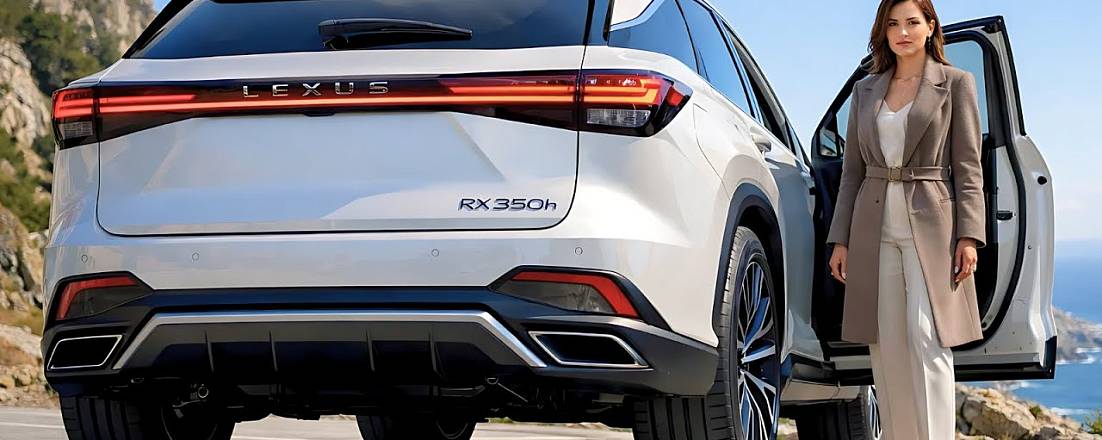
Buying a car today is an investment for years to come. The longer a vehicle stays on the road without major breakdowns, the better that investment becomes. That is why analysts at iSeeCars conducted a large-scale study, examining data from more than 395 million vehicles to determine which hybrids have the best chances of exceeding 250,000 miles (around 400,000 km).
The average car has only a 5.4% chance of reaching this mileage. Among hybrids, however, the average is higher at 8.2%. The leaders in the ranking exceed the average by several times. Which models are they, and why do they stand out? Let’s take a closer look.
An important clarification: the percentages shown are not the share of cars that have already travelled 250,000 miles, but the probability calculated by analysts that a particular model is capable of reaching this milestone.
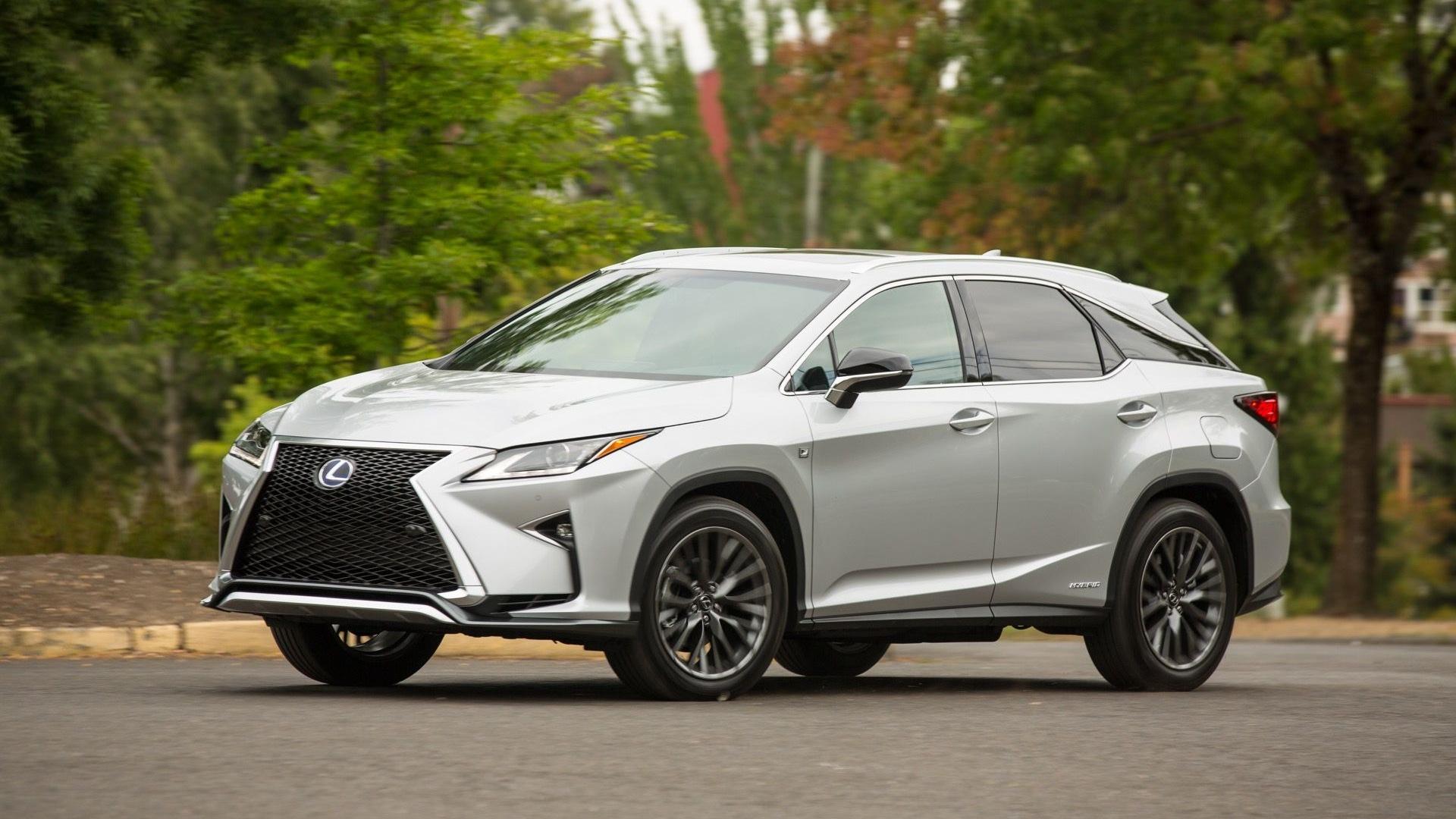
Lexus RX Hybrid — 28.9% (3.5 times above average)
Lexus RX Hybrid ranked first among hybrids, with a 28.9% probability of reaching 400,000 km. This is 3.5 times higher than the category average.
Under the bonnet of the Lexus RX 450h (fourth generation, 2015–2022) is a naturally aspirated 3.5-litre V6 (2GR-FKS) paired with electric motors. In hybrid configuration, this engine is considered exceptionally durable: a timing chain, no turbocharger and relatively moderate loads help it last 400,000 km or more with timely oil changes.
A key element of its reliability is the e-CVT transmission. Unlike conventional automatics or dual-clutch transmissions, it has no torque converter, clutch packs or solenoids that wear out over time. The planetary gearset is mechanically simple and has very few friction components.
The Lexus hybrid battery also demonstrates strong durability. The manufacturer checks its condition during every scheduled service, and in real-world use it can last more than 10 years without significant degradation.
Still, even the most reliable car has weak points. Lexus RX 450h owners note:
- Tailgate struts can lose pressure after around 45,000 km.
- The water pump can occasionally develop leaks at high mileage.
- Adaptive AVS dampers in F Sport versions should be checked carefully when buying used.
However, these issues are minor compared with the overall durability of the powertrain.
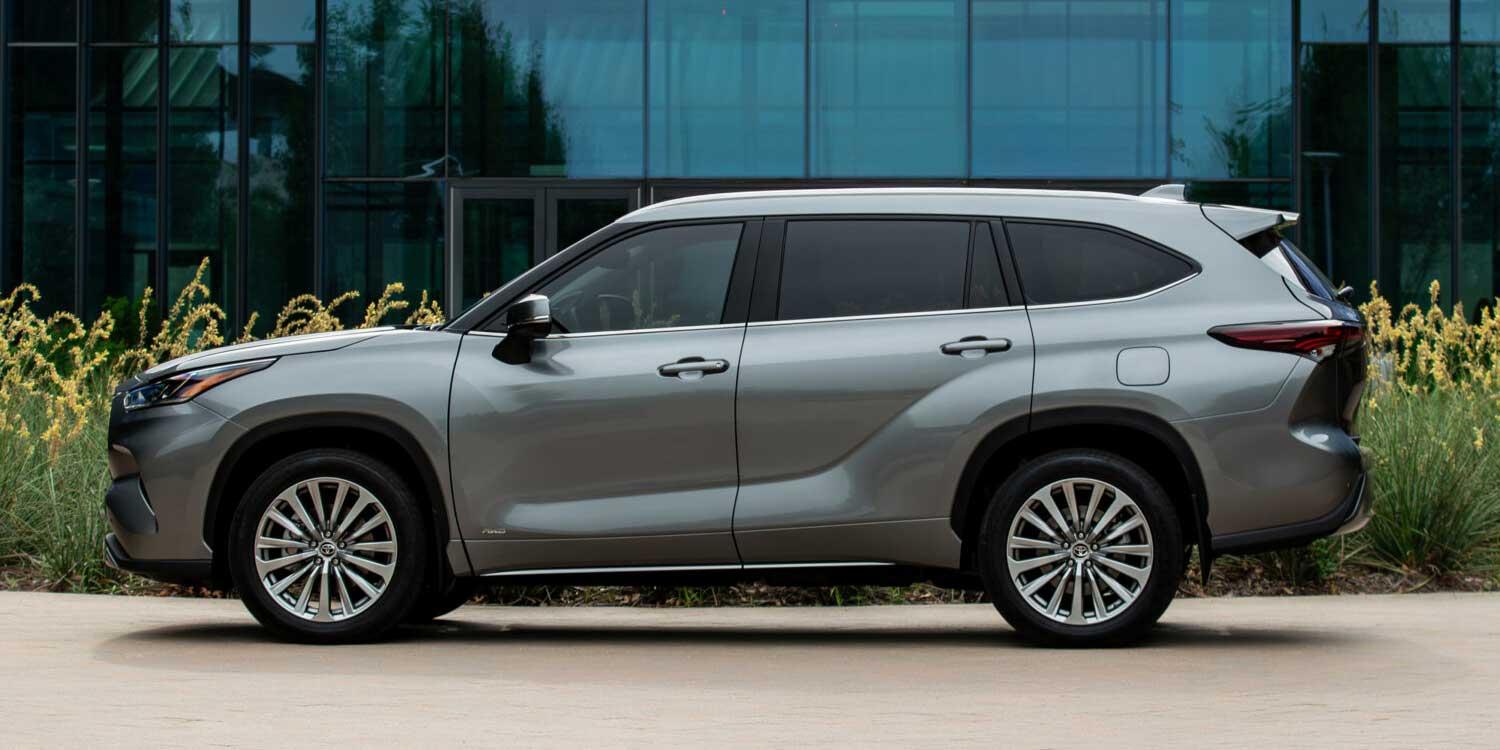
Toyota Highlander Hybrid — 20.7% (2.5 times above average)
Toyota Highlander Hybrid ranked second, with a 20.7% probability of reaching 400,000 km. The Highlander hybrid powertrain follows the same philosophy as Lexus: a naturally aspirated Atkinson-cycle engine + e-CVT + electric motors. The planetary e-CVT completely eliminates the hydraulic clutches and solenoids that can fail in conventional automatic transmissions.
The high-voltage traction battery in Toyota hybrids regularly lasts 300,000–400,000 km without significant degradation. And because the Highlander is a three-row family vehicle used for a wide range of tasks, owners often drive them long distances over many years, which is reflected in the survival statistics.
The main Achilles’ heel of later Highlander Hybrid models is the auxiliary 12V battery. Because telematics systems and sensors remain constantly connected, it can discharge faster than usual. Short trips and long periods of inactivity are especially hard on it. A weak 12V battery can prevent the vehicle’s computers from starting, disable displays and stop the car from entering Ready mode. The solution is simple: monitor the condition of the 12V battery and replace it preventively rather than waiting for complete failure.
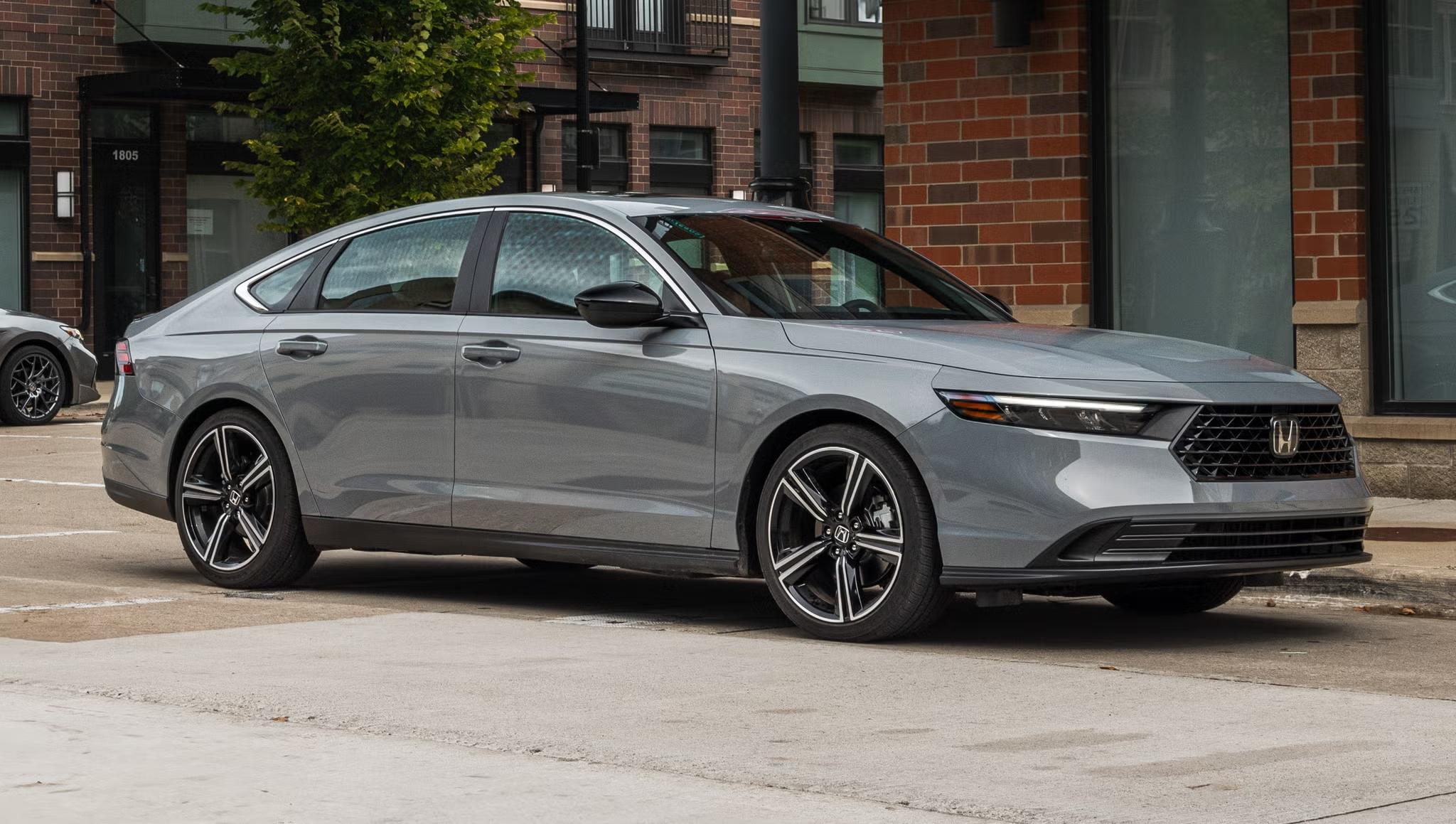
Honda Accord Hybrid — 18.5% (2.3 times above average)
Honda Accord Hybrid ranked third with a probability of 18.5%. It is the first car in the ranking not associated with Toyota and the only sedan in the top three.
Honda uses a two-motor system that operates differently from Toyota’s. In most situations, the petrol engine acts as a generator while the wheels are driven by electric motors. This layout reduces mechanical load on the internal combustion engine and minimises wear on traditional components.
Although the current-generation Accord Hybrid has been on the road for less time than its Toyota rivals, early data points to solid build quality. Most recorded issues are related to software rather than hardware, meaning they can often be resolved through updates rather than component replacement.
The Honda Accord Hybrid has been produced since 2005, but the current generation uses a new 2.0-litre Atkinson-cycle engine introduced for the 2023 model year. No serious powertrain problems have been recorded so far. The main recall campaigns have concerned airbags and software rather than mechanical components.
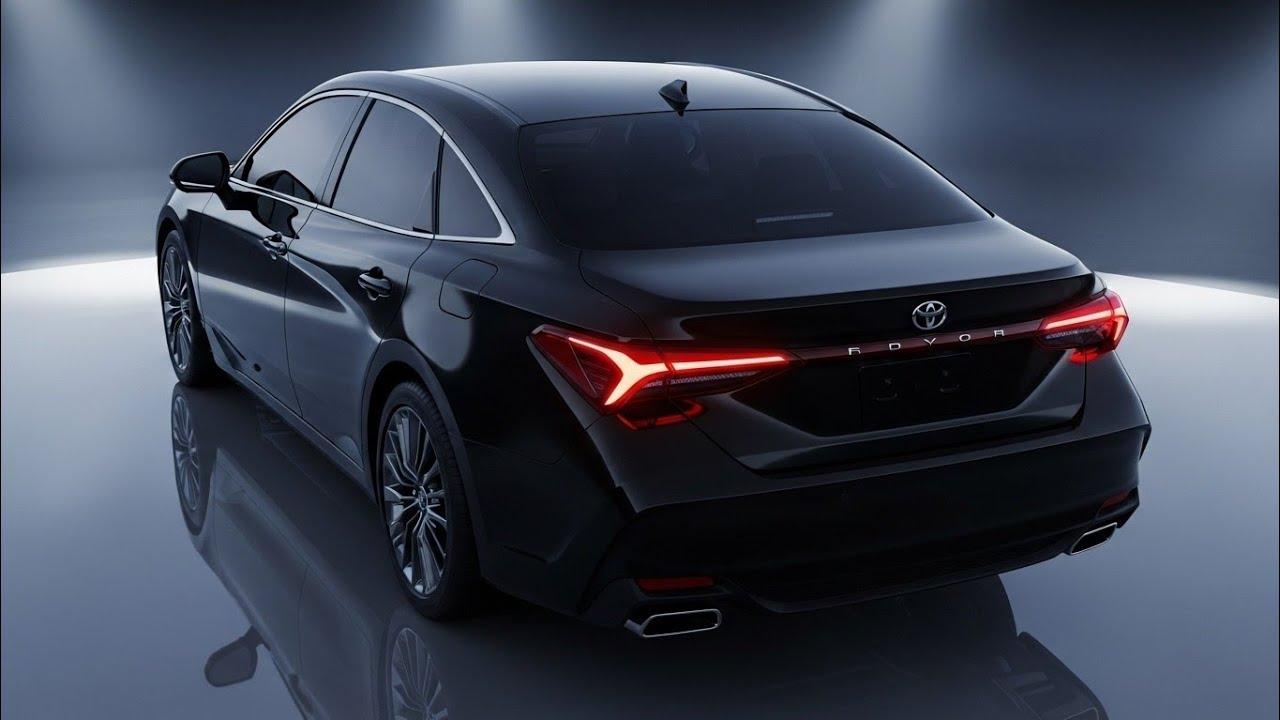
Toyota Avalon Hybrid — 17.4% (2.1 times above average)
Toyota Avalon Hybrid ranks fourth with a probability of 17.4%. Before production ended in 2023 and it was replaced by the Toyota Crown, the Avalon built a reputation for reliability, long-lasting engineering, low noise levels and excellent fuel economy.
Avalon Hybrid uses the same proven Toyota hybrid system as the other models on this list: a naturally aspirated engine + e-CVT + electric motors. iSeeCars gave the model a reliability rating of 8 out of 10 and estimated its average lifespan at 192,169 miles (around 309,000 km).
The Avalon Hybrid’s chance of reaching 400,000 km is 45.1% — almost half of all vehicles produced are capable of reaching this milestone. Avalon Hybrid is a choice for those who want a large, comfortable sedan with durability comparable to that of crossovers. Its spacious interior, soft suspension and hybrid efficiency make it an excellent option for long-distance travel and daily use.
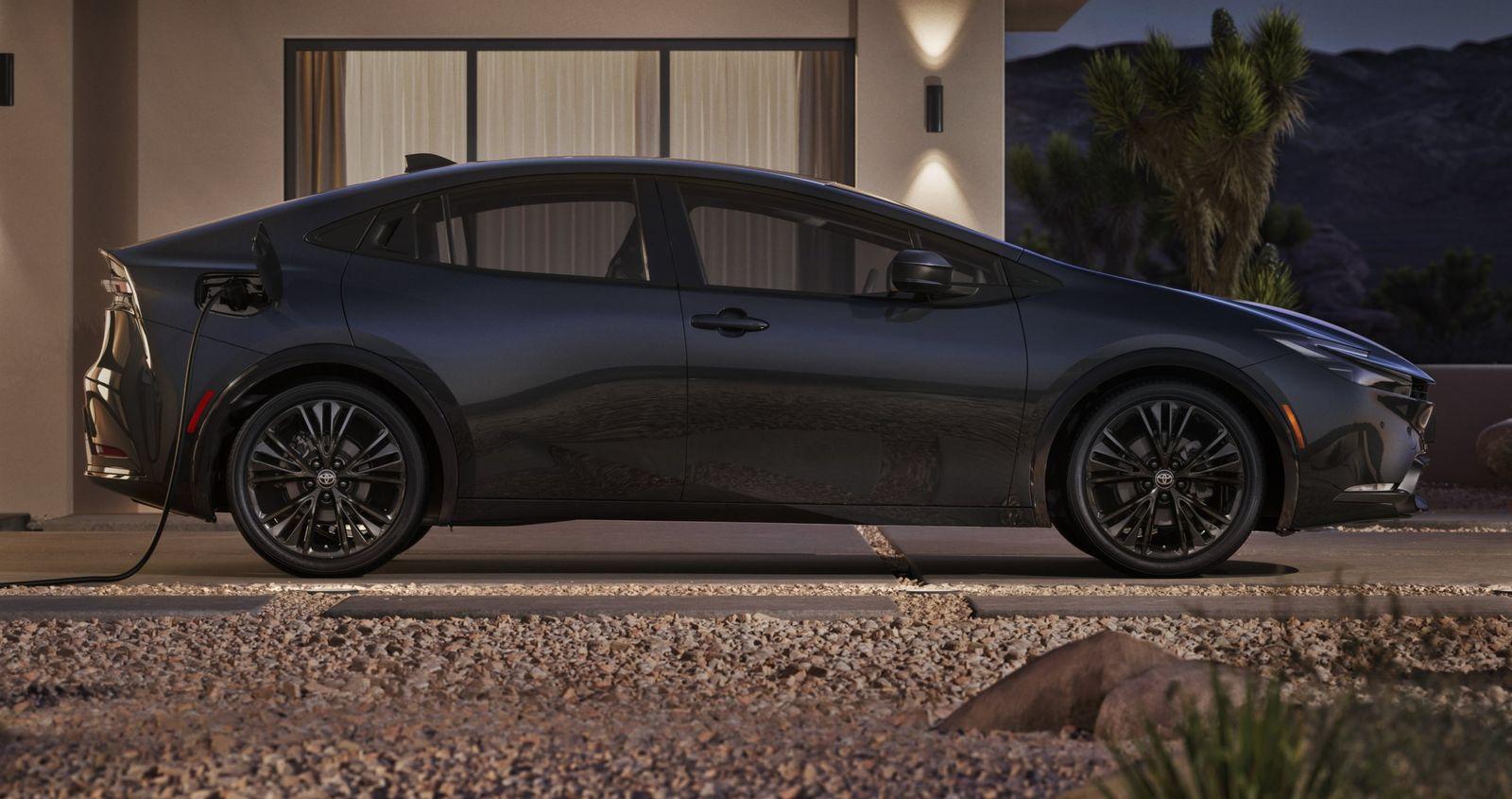
Toyota Prius — 11.5% (1.4 times above average)
Toyota Prius rounds out the top five with an 11.5% probability of reaching 400,000 km. This is lower than for Toyota’s larger hybrids, but still 1.4 times above the category average.
Prius is a compact car often used for short urban trips. Survival statistics depend not only on reliability but also on how a vehicle is used. Many Prius models spend their lives in traffic and on shorter journeys, which reduces annual mileage and therefore the chances of reaching 400,000 km within the statistical model. Despite the average figures, real-world Prius cars regularly prove how durable they can be.
Among all Prius generations, the third generation (2010–2015) and fifth generation (2023–present) are considered among the most reliable. The fifth generation received the second-highest average reliability rating in the model’s history from Consumer Reports.
What all the leaders have in common: the formula for longevity
Looking at the top five, four common features stand out that help these cars achieve such long lifespans:
- Naturally aspirated engines instead of turbocharged ones. The absence of turbocharging means fewer components that can fail.
- e-CVT transmission. A planetary gearset without friction clutches or hydraulics eliminates an entire category of failures typical of conventional automatic transmissions.
- Proven hybrid architecture. Toyota has been developing hybrids since 1997. Over this time, the system has evolved from an experiment into a benchmark for reliability.
- Designed for high mileage. Hybrids are more economical, so owners are more likely to choose them for long journeys and everyday use. This creates a positive feedback loop: more mileage means more data and stronger survival statistics.
Conclusion: is it worth aiming for 400,000 km?
If you are buying a car for the long term and plan to drive hundreds of thousands of kilometres, Toyota and Lexus hybrids remain the safest choice. The statistics confirm that the Lexus RX Hybrid, Toyota Highlander Hybrid and related models are not simply successful vehicles, but reflect a broader strength of Japanese engineering.
Honda Accord Hybrid is a strong alternative for those who prefer sedans and want a little more variety in the garage. And Toyota Prius, despite ranking fifth, remains the most accessible entry point into the world of exceptionally durable hybrids.
A wide selection of vehicles is available on the DOMCar portal.
Photos: pixabay.com, DOM