
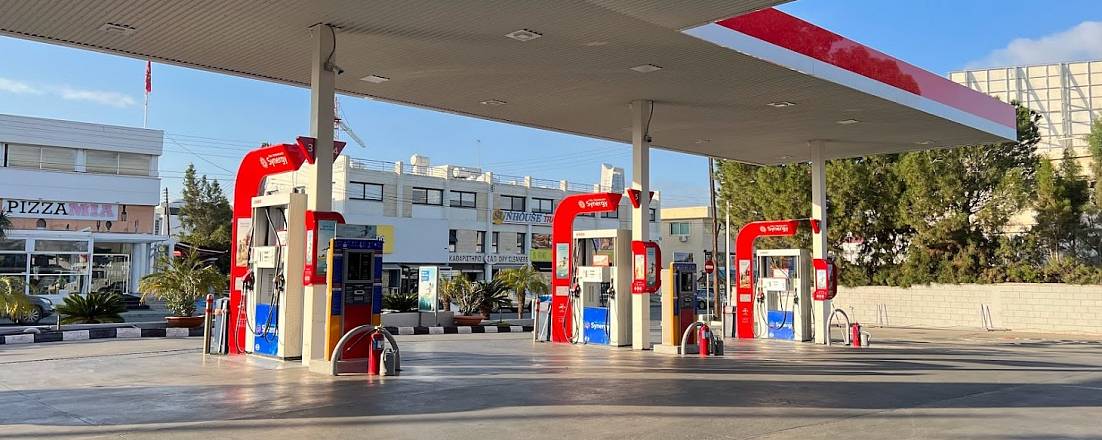
Refueling a car may seem like a simple task, but in practice it involves many nuances—especially if you live in or drive in Cyprus. Local specifics, climate, fuel prices, and even the layout of petrol stations can all affect your experience. Ignoring important details can lead not only to overspending but also to reduced vehicle lifespan. Let’s look at how to refuel properly in Cyprus and what you should pay attention to.
Why it’s important to monitor fuel levels
One of the key rules is to avoid letting the fuel level drop too low. Ideally, you should keep at least a quarter of a tank. This is especially important in Cyprus, where summer temperatures can exceed 35°C. In such conditions, the fuel system operates under additional strain.
When petrol or diesel levels are too low, sediment from the bottom of the tank can enter the fuel system. Over time, this leads to clogged filters and injectors. As a result, fuel consumption increases, engine power decreases, and the risk of breakdown rises. Repairing the fuel system in Cyprus can be expensive, so it’s better to avoid such situations in advance.
At the same time, you shouldn’t overfill the tank. In a hot climate, fuel expands, and if there is no free space in the tank, it can lead to leaks through the ventilation system. An overfilled tank can also sometimes cause inaccuracies during refueling, which may affect the final amount on the receipt.
What fuel to choose in Cyprus
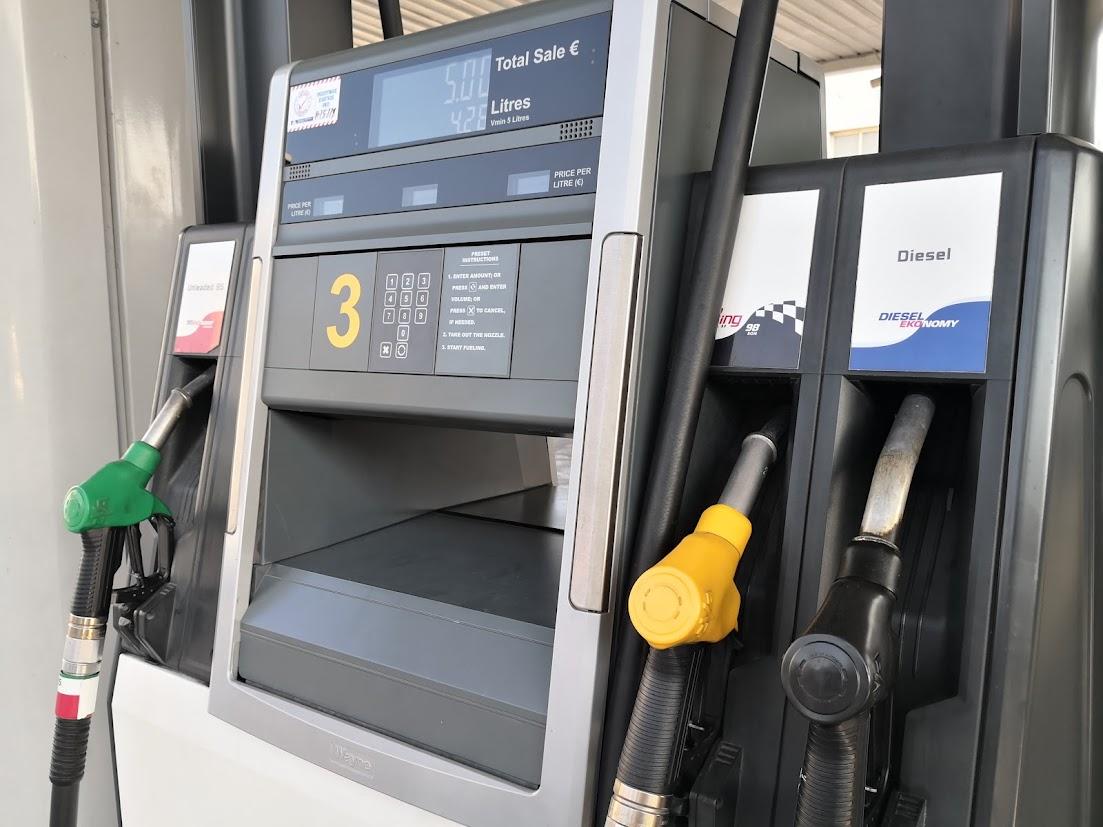
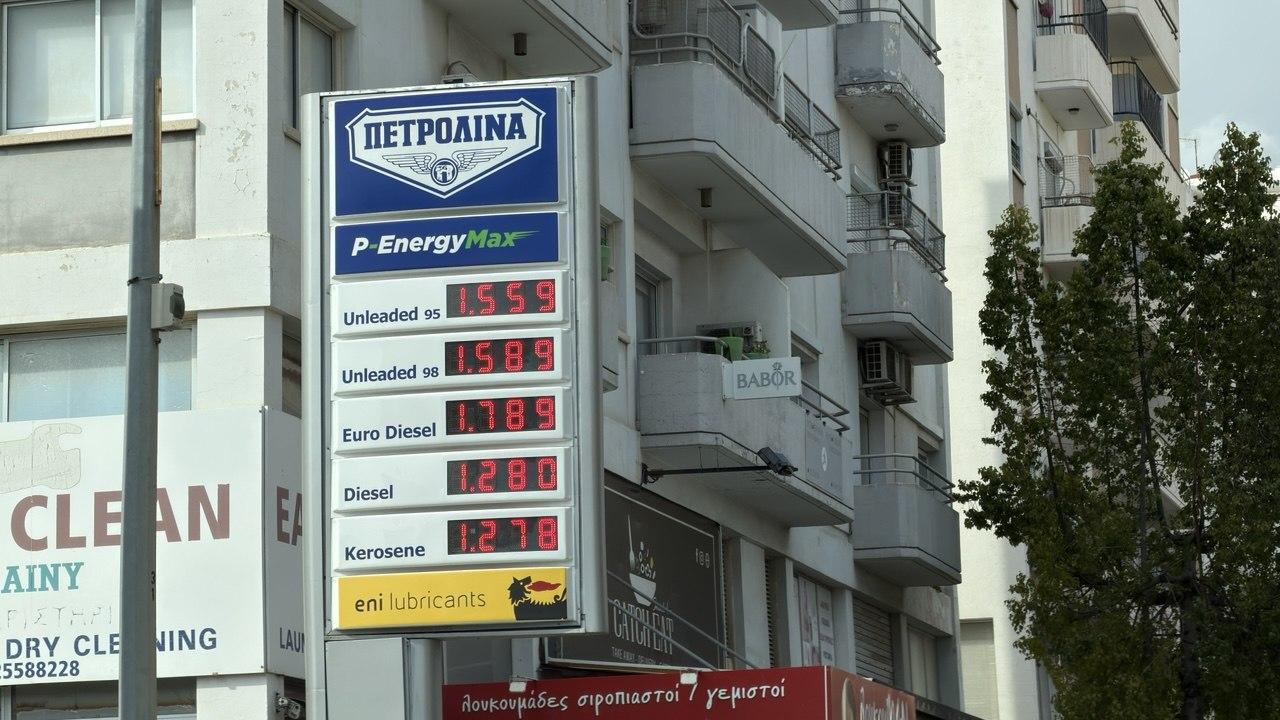
At Cypriot petrol stations, you will most commonly find petrol with octane ratings of 95 and 98, as well as diesel. Unlike in some other countries, 92-octane petrol is not used here. This is important for drivers to keep in mind, especially if the vehicle was imported from abroad.
Most modern cars commonly used in Cyprus are designed for 95-octane petrol. For more powerful engines, 98 is recommended. Using fuel with a lower octane rating can lead to engine knocking and accelerated wear.
If you are renting a car—which is very popular among tourists in Cyprus—always check the required fuel type. A refueling mistake can lead to serious damage and additional expenses.
How to avoid mistakes at the pump
One of the most common issues among drivers is confusion about the location of the fuel cap. In Cyprus, where traffic is left-hand, this is particularly relevant. Many vehicles have the fuel cap on the right side, and it’s easy to pull up to the wrong side of the pump.
To avoid awkward situations and unnecessary maneuvers, it’s best to remember in advance where your fuel cap is located. In most cars, there is a helpful indicator on the dashboard—a small arrow next to the fuel icon.
It’s also worth noting that space at some stations can be limited. Incorrect positioning can inconvenience other drivers and create unnecessary stress.
Fuel quality and choosing a station
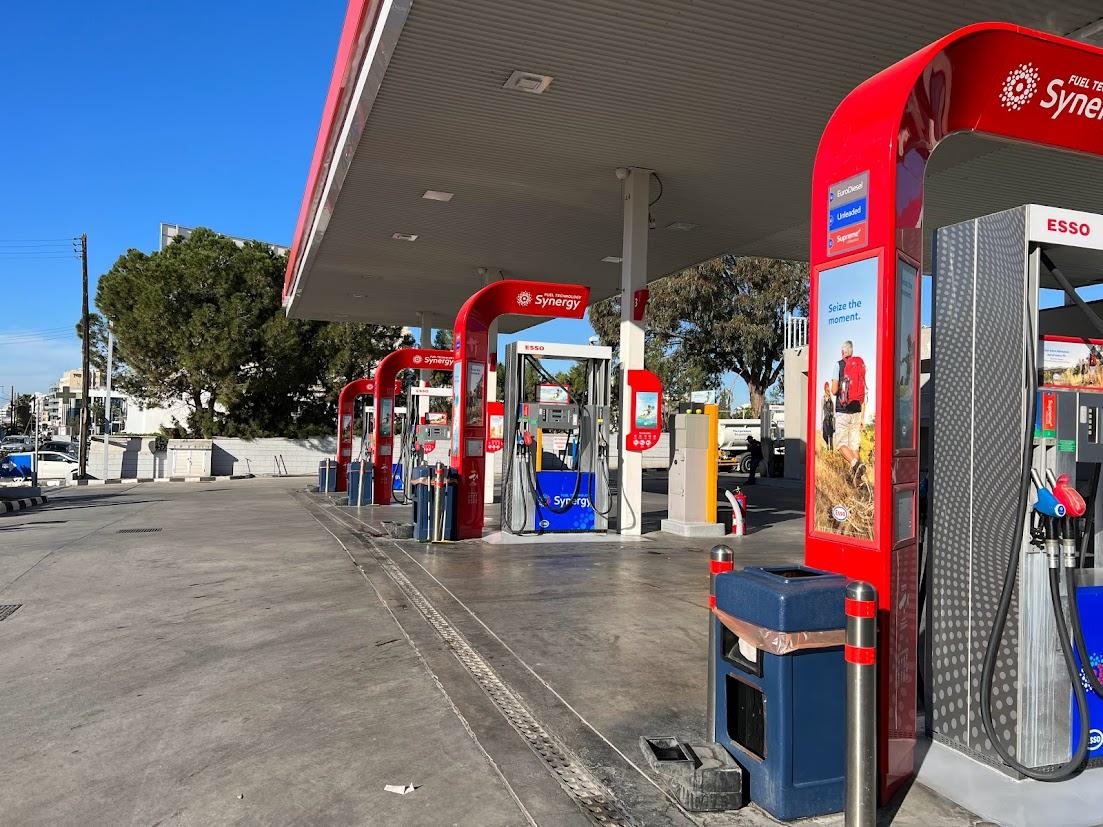
Fuel quality in Cyprus is generally regulated, but differences between stations still exist. Experienced drivers recommend choosing large, reputable chains. Cheap fuel at lesser-known stations can lead to additional repair costs.
Both self-service stations and staffed petrol stations are common on the island. In some cases, an attendant may assist you, but the responsibility for choosing the correct fuel always remains with the driver. If you are unsure, it’s best to rely on recommendations from locals or professional drivers. This is a simple way to avoid fuel quality issues.
Safety when refueling
Safety rules at Cypriot petrol stations are standard, but it is important to follow them. Always switch off the engine before refueling. This reduces the risk of fire and protects the fuel system from contamination.
The car should be secured with the handbrake, especially if the station is on a slope. In Cyprus, such stations are quite common due to the terrain. During refueling, it is not recommended to use your phone, smoke, or move far away from the vehicle. Despite the simplicity of the process, fuel remains a hazardous substance.
Fuel prices and how to save money
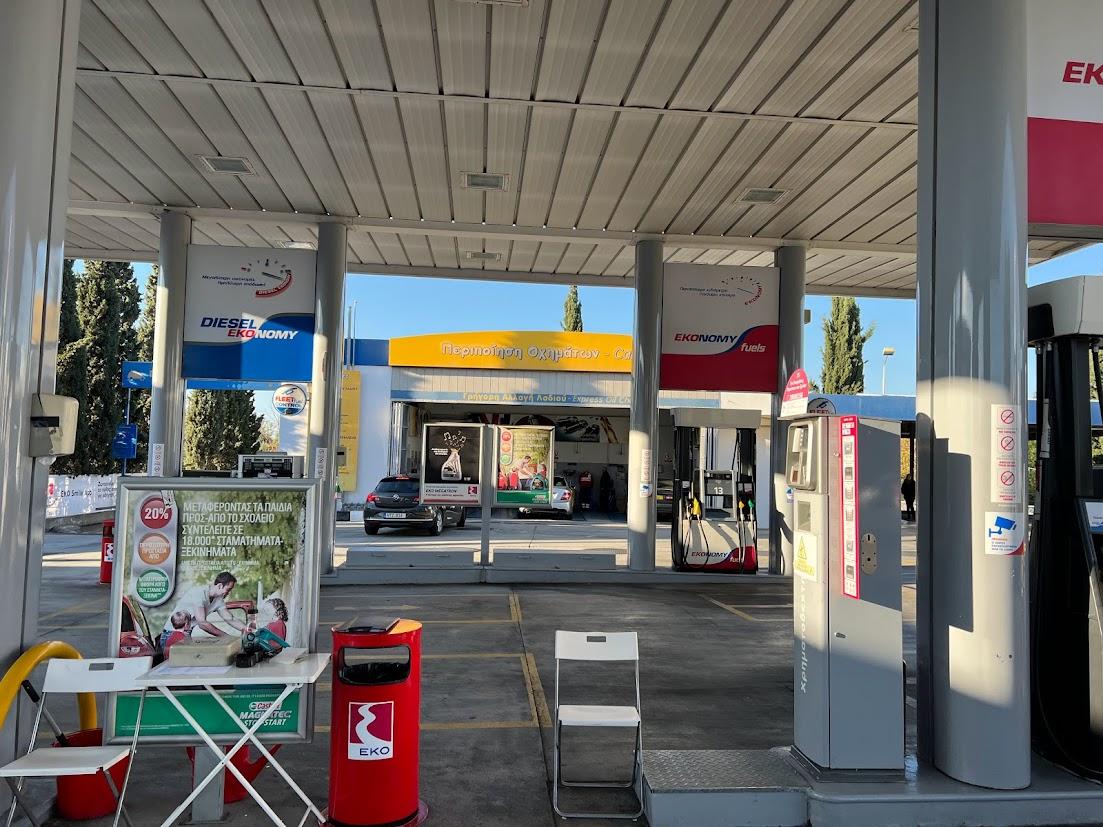
In recent years, fuel prices in Cyprus have remained unstable. They depend on global markets, tax policy, and seasonal demand. In summer, when tourist flows increase, prices may rise.
To save money, drivers try to refuel in advance and monitor price fluctuations. It is also important to keep the vehicle in good technical condition. A well-maintained engine and correct tire pressure help reduce fuel consumption. Another factor is driving style—sudden acceleration and braking increase consumption, especially in urban driving.
Features of petrol stations in Cyprus
On the island, you can find both modern automated stations and more traditional petrol stations. Some operate 24/7, but at night, self-service is usually the only option available.
Payment can be made by cash or card. At automated stations, a pre-authorization amount may sometimes be required on your card. It is also worth noting that prices in tourist areas may be slightly higher than in residential neighborhoods—this is a common practice in resort regions.
Refueling a car in Cyprus is not just a routine task but an important part of vehicle care. Paying attention to details helps avoid unnecessary expenses, extend the lifespan of your car, and make driving safer. By following basic rules, choosing quality fuel, and considering local specifics, you can make your driving experience much smoother. Over time, these nuances become second nature, but they are especially important for every driver at the beginning.
A wide selection of cars on the portal DOMCar.
Photos: pixabay.com, DOM