
Electric vehicles in Cyprus are no longer a rarity. Increasingly, you can spot Tesla, BYD, BMW, Hyundai, Kia, Mercedes-Benz, and other EV models on the island’s roads. The government periodically launches subsidy programs, car dealers continue expanding their electric vehicle lineups, and rising fuel prices are prompting many drivers to consider switching to electric transport.
At first glance, Cyprus seems like the perfect environment for electric vehicles. Distances between cities are relatively short, the climate is mild, and thousands of homes are equipped with solar panels, making it possible to charge a car at little to no cost. In practice, however, the market has been developing much more slowly than many expected just a few years ago.
The reason is not limited to charging infrastructure or vehicle prices. Before purchasing an electric car in Cyprus, many buyers face a combination of financial, infrastructural, and even psychological considerations.
Cyprus Is Made for Electric Cars — But There Are Caveats
From a geographical perspective, the island is indeed one of the most convenient places in Europe to own an EV. Driving from Nicosia to Limassol takes about an hour, while the journey from Larnaca to Paphos takes roughly ninety minutes. Even the most affordable modern electric vehicles can typically travel between 300 and 500 km on a single charge, while premium models often exceed 500 km of range.
For most residents of Cyprus, this means charging only once or twice a week. Electric vehicles are particularly attractive for homeowners with solar panels installed. Thanks to the net metering system, many households can charge their cars using self-generated electricity and spend virtually nothing on fuel.
However, not everyone lives in a detached house. A significant proportion of the population resides in apartment buildings, where installing a personal charging station can be far more complicated. This is where the first challenges begin to emerge.
Charging Stations Are No Longer the Main Problem
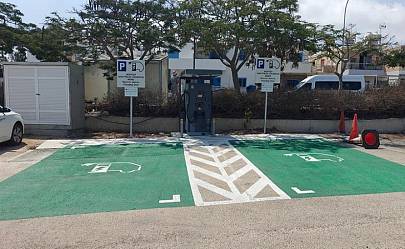
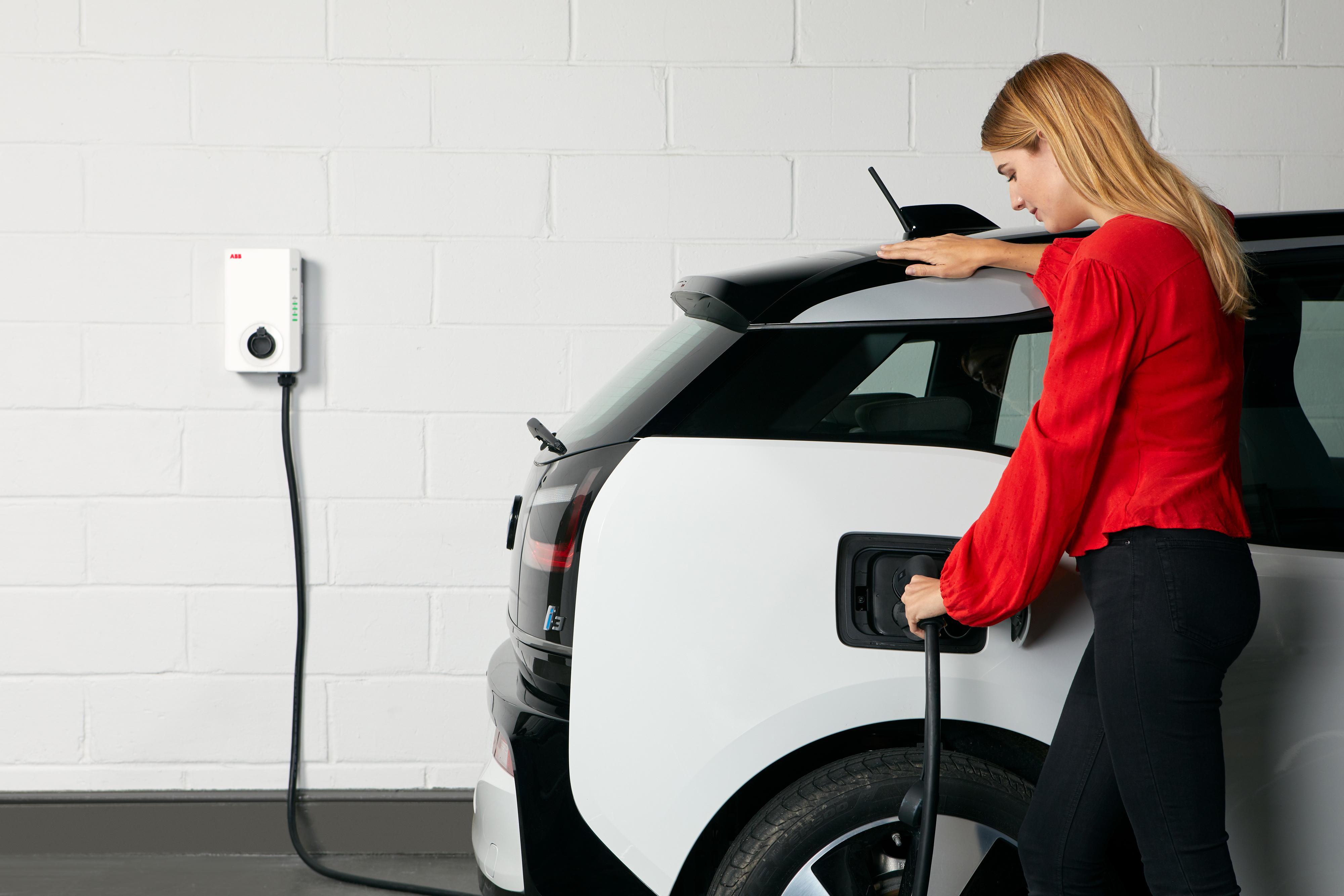
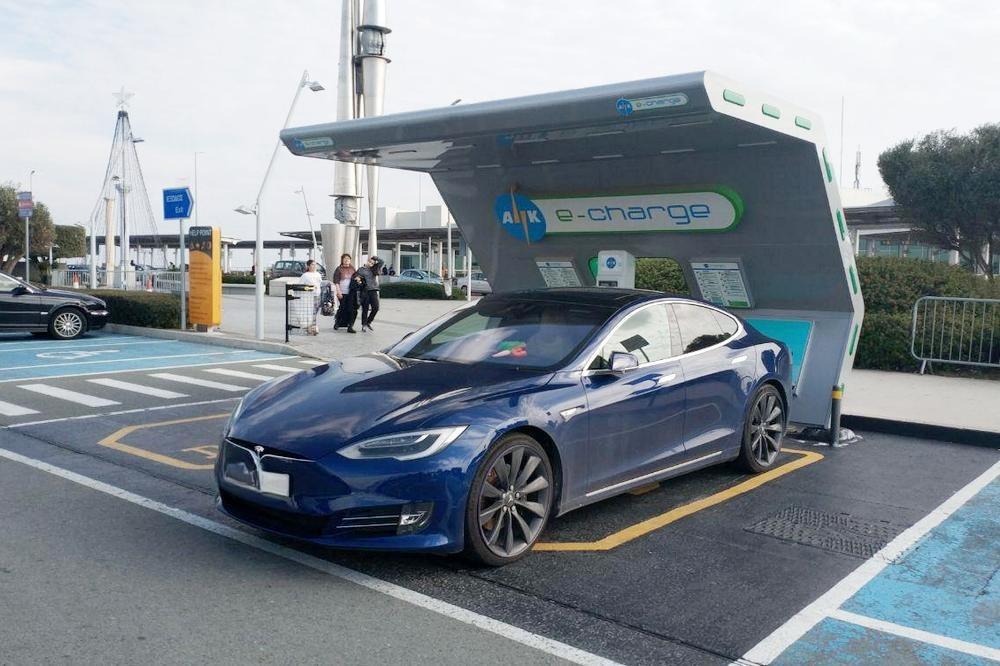
A few years ago, the lack of charging infrastructure was considered the primary obstacle to EV adoption in Cyprus. Today, the situation has improved significantly. Charging stations can be found near supermarkets, shopping centres, office buildings, hotels, and along major highways. Large energy companies and private operators continue to expand fast-charging networks across the island.
Nevertheless, the issue has not disappeared completely. Charging infrastructure remains unevenly distributed. While finding a charging station in Limassol, Nicosia, Larnaca, or Paphos is relatively easy, options are considerably more limited in smaller towns and rural areas.
In addition, during the tourist season, popular charging stations can become busy, particularly on weekends. Refuelling a petrol vehicle takes only a few minutes, whereas charging an EV requires significantly more time. As a result, many prospective buyers continue to ask themselves how convenient EV ownership will be in five or ten years.
The Biggest Barrier: High Purchase Costs
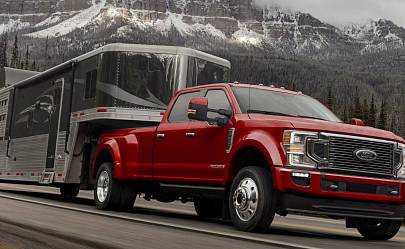
Despite falling prices for certain models, electric vehicles in Cyprus remain more expensive than comparable petrol-powered cars. Even though operating costs are often lower in the long term, the initial investment remains a significant hurdle. The price difference is particularly noticeable in the family car and crossover segments. Buyers frequently have to pay substantially more upfront when purchasing an EV.
The situation is further complicated by financing costs. So-called “green loans” offered by banks for environmentally friendly transport often differ only marginally from standard car loans. Interest rates may be only a few tenths of a percentage point lower. While banks often provide longer repayment periods — sometimes up to eight years — which helps reduce monthly payments, the total cost of borrowing can still be substantial. For many families, this becomes a decisive factor when choosing between an electric and a conventional vehicle.

Government Subsidies: Wait or Buy Now?
Another challenge facing the Cypriot EV market is the inconsistency of government support schemes. Over recent years, authorities have repeatedly introduced subsidy programs for electric vehicle purchases. The financial assistance has often amounted to several thousand euros, significantly reducing the final purchase price.
However, these programs are not permanent. Once a subsidy round ends, many buyers adopt a wait-and-see approach, postponing their purchase in anticipation of a new grant scheme. This creates instability in the market.
Someone ready to purchase an EV today may hesitate, wondering whether a new subsidy will be announced in a few months, making the purchase considerably more affordable. This uncertainty affects both consumers and dealerships. Previous programs often involved application processes and limited funding allocations, which sometimes led to frustration among prospective buyers.

What Will the Car Be Worth in a Few Years?
If you ask Cypriots what concerns them most about buying an electric vehicle, many will give the same answer: uncertainty. The EV market is evolving so rapidly that predicting a vehicle’s value five to seven years from now is extremely difficult. Battery technology continues to improve, and every year brings new models with longer ranges, faster charging capabilities, and more advanced software. As a result, some owners worry that their vehicles may depreciate more quickly on the used market.
Battery lifespan also raises questions. Most manufacturers now provide battery warranties of up to eight years or a specified mileage limit. Nevertheless, no one can accurately predict how much battery replacement will cost after a decade of ownership or whether such a repair will remain economically viable.
For a vehicle costing more than €50,000, these concerns are understandable. This is one of the main reasons many residents of Cyprus continue to observe the market from the sidelines, preferring to wait until the second-hand EV market becomes more established.
The Psychological Factor Few People Discuss
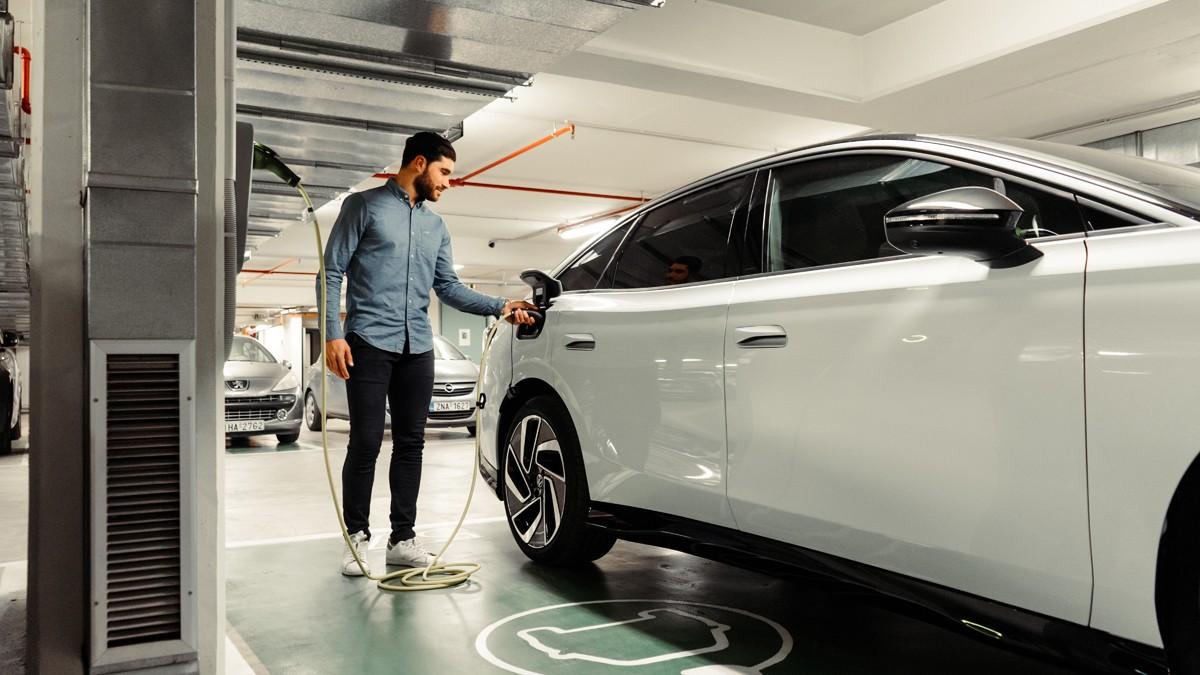
Interestingly, experts increasingly argue that the biggest obstacle is neither cost nor charging infrastructure. Many drivers are simply accustomed to internal combustion engine vehicles. Petrol stations are everywhere, ownership is familiar, and people know exactly what maintenance costs to expect, where to find spare parts, and how to sell the vehicle later.
Electric vehicles are different. Even when the numbers favour EV ownership, potential buyers often struggle with internal doubts. Will the range be sufficient? What will happen to the battery? Will a superior technology emerge in two years? Is it better to buy now or wait?
These concerns frequently outweigh even the strongest marketing arguments. That is why many industry experts believe that market growth requires not only subsidies and additional charging stations but also a stable long-term government strategy that gives consumers confidence in their decisions.
Is It Worth Buying an Electric Vehicle in Cyprus in 2026?
For many island residents, the answer is yes. If you live in a detached house, have the ability to install a home charger, and generally drive relatively short distances each day, an electric vehicle can significantly reduce your transportation expenses. The savings become even more substantial if you have solar panels, allowing you to charge the vehicle almost free of charge for much of the year.
However, before making a purchase, it is important to look beyond fuel savings. Buyers should carefully examine battery warranty conditions, charging options near their home, resale prospects for the specific model, and the availability of service support in Cyprus. While the EV market on the island continues to grow, its expansion today is constrained less by technical limitations and more by a combination of financial uncertainty, government policy, and consumer caution.
For that reason, the best advice for anyone considering an electric vehicle in Cyprus remains simple: make the decision based on your own driving habits and long-term plans rather than temporary trends or subsidy programs. Under those circumstances, an EV can genuinely become both a worthwhile investment and a comfortable way to travel around the island.
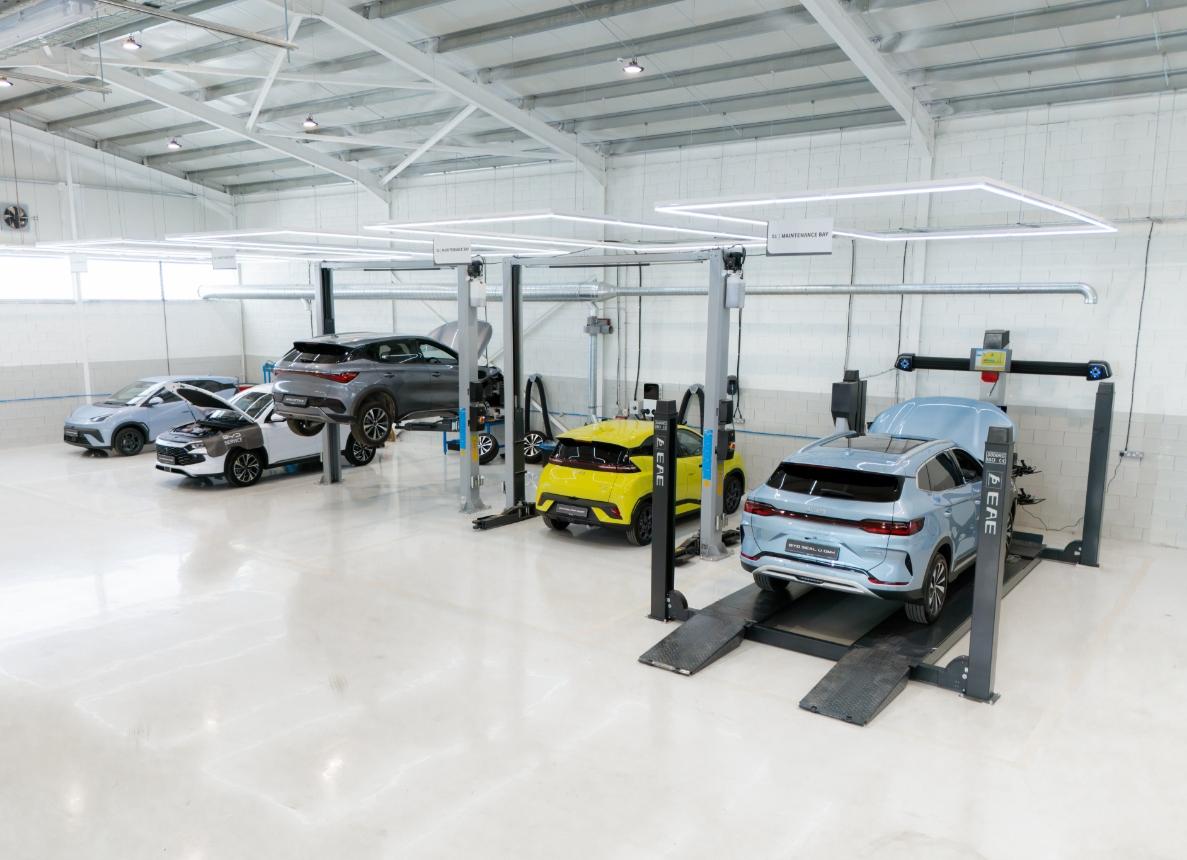
A wide selection of vehicles is available on the DOMCar portal.
Photos: pixabay.com, DOM