
New EU Vehicle Recycling Rules: What Will Change for Drivers in Cyprus
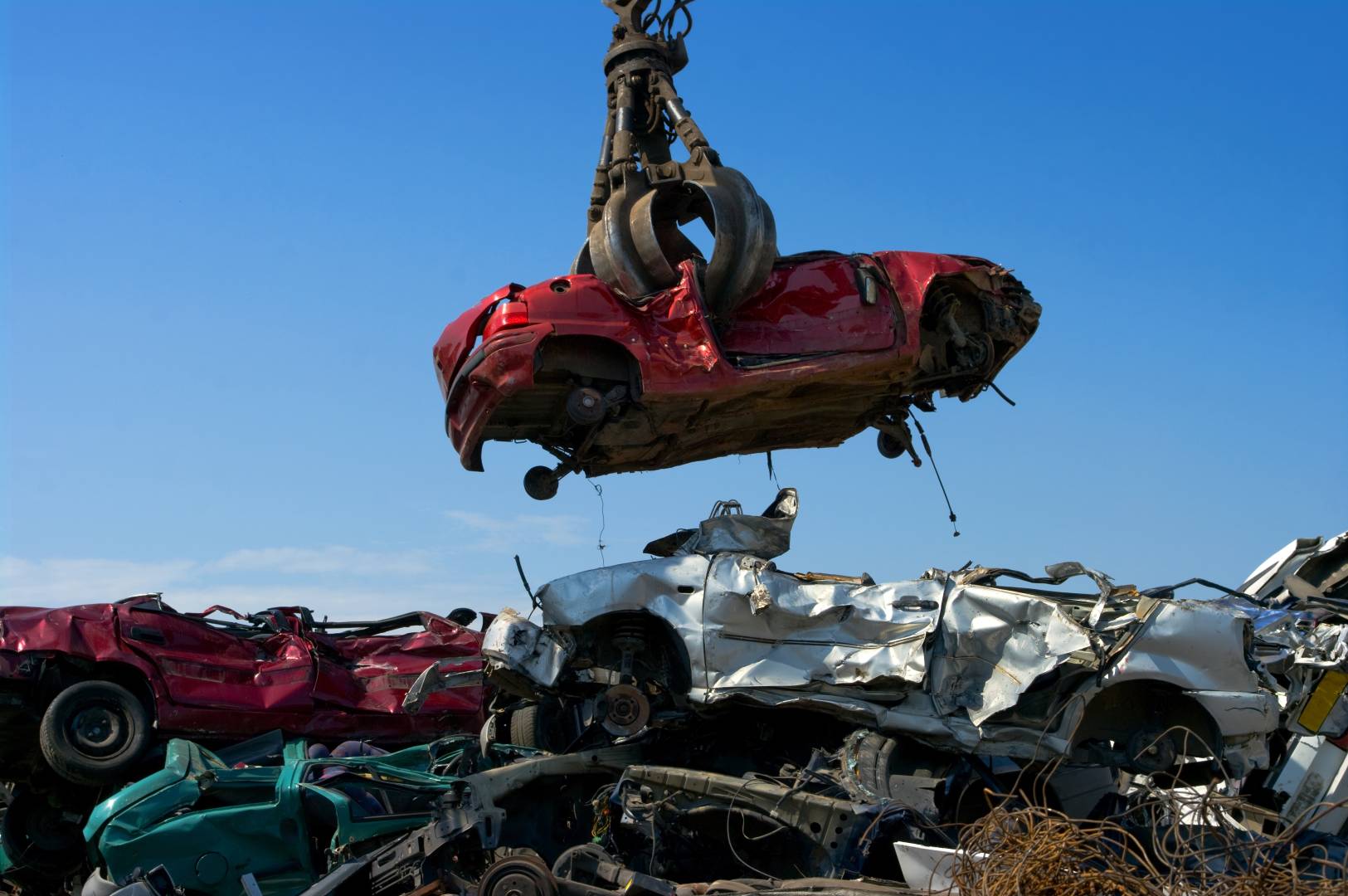
On August 13, 2026, a new regulation governing end-of-life vehicles came into force across the European Union. It establishes unified rules for the design, production, repair, collection, and recycling of vehicles. Around 10–12 million vehicles are scrapped in Europe every year.
The regulation, adopted by the European Parliament on June 18, 2026, replaces two previous directives: the 2000 directive on end-of-life vehicles and the 2005 directive on vehicle reusability and recyclability. Unlike directives, the new regulation applies directly in all EU member states, including Cyprus, without requiring separate implementation through national legislation.
Which Vehicles Are Covered by the New Rules?
The new requirements now apply not only to passenger cars but also to trucks, buses, and motorcycles. Manufacturers will be required to consider the potential for reusing components at the vehicle design stage. Vehicle construction must make it easier to dismantle and replace individual parts both during the vehicle's operational life and after it reaches the end of its service life.
Manufacturers will also be required to provide clear information on the removal and replacement of components. This measure is expected to simplify vehicle repairs and increase the number of parts that can be reused or recycled. Particular attention is being given to the recovery of valuable materials from old vehicles, including aluminum, copper, and rare earth metals.
Manufacturers Will Help Cover Recycling Costs
The new regulation strengthens the principle of extended producer responsibility. Automakers will be required to participate in financing the collection and recycling of vehicles they have previously placed on the market. For the EU, this represents an important step toward creating a more circular automotive economy. Manufacturers will have a stronger incentive to produce vehicles that are easier to repair, dismantle, and recycle, while collection centers and recycling facilities will benefit from more stable funding.
The new rules also clarify the criteria used to determine whether a vehicle remains suitable for use or should be classified as waste. This measure is intended to reduce the practice of exporting vehicles that are effectively no longer roadworthy to third countries under the label of used cars.
Recycled Plastics and Metals
Requirements for the use of recycled materials in new vehicles will gradually become stricter. Beginning in 2032, recycled plastics must account for 15% of the materials used in new vehicles, increasing to 25% in 2036. Separate requirements regarding the use of recycled steel and aluminum will take effect in 2033.
The European Commission views the reform as more than just an environmental initiative. Encouraging the return of metals and other materials to the manufacturing cycle is also expected to reduce the dependence of European industry on external suppliers.
What Will Change for Vehicle Owners in Cyprus?
For Cyprus residents, no immediate changes to the vehicle disposal process are expected. End-of-life vehicles must still be delivered to licensed collection facilities, and owners will continue to receive a certificate of destruction.
However, the new rules are particularly relevant for Cyprus, where used vehicles account for a significant share of the market. According to the Statistical Service, of the 26,841 passenger cars registered between January and July 2026, 18,227, or 67.9%, were used vehicles. The total number of passenger cars on the island exceeds 750,000.
For consumers, the effects of the new regulation will become noticeable gradually. In the long term, the new requirements may influence vehicle design, the availability of used replacement parts, and the cost of vehicle disposal, which manufacturers may partially incorporate into the overall economics of vehicle production.
Another important change will take effect in mid-2031: only vehicles that are fit for operation will be allowed to be exported outside the EU. This measure is intended to restrict the export of vehicles that are effectively waste to countries outside the European Union.
A wide selection of vehicles is available on the DOMCar portal.