
How to Polish Your Headlights Yourself in Cyprus in 30 Minutes and Save Hundreds of Euros
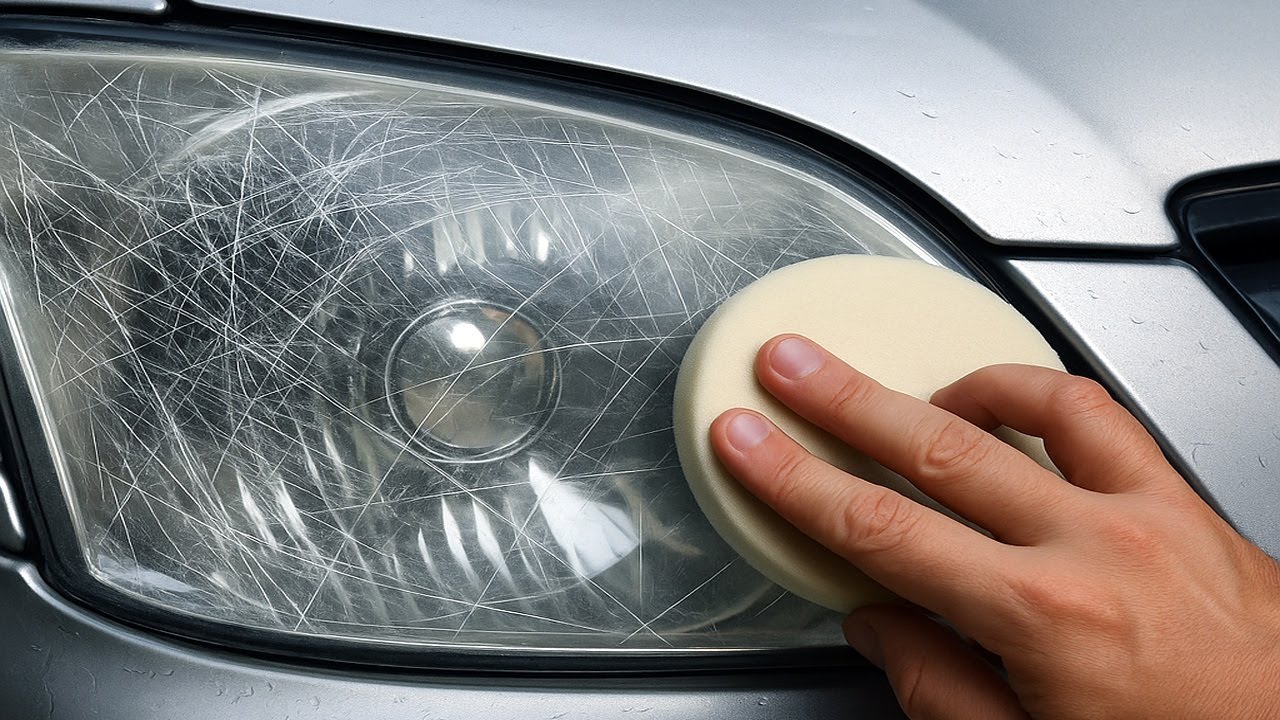
Cloudy, yellowed headlights are not just a sign of a car’s age. In Cyprus conditions, it is almost inevitable. The hot Mediterranean sun, sandy dust from the coast, salty air, frequent drives on the highway toward Nicosia or Paphos — all this accelerates the aging of plastic.
Clouded polycarbonate can “eat up” up to 40% of the light output. As a result, the headlights shine diffusely, illuminate the road worse, and can dazzle oncoming drivers. This is already a matter of safety, especially during night trips along the mountain serpentine roads of Troodos.
In auto repair shops in Cyprus, headlight polishing can cost from 40 to 120 euros depending on the city and level of service. However, you can restore transparency yourself — literally for an amount equal to the cost of a frappe in a seaside café.
Why headlights in Cyprus become cloudy faster
Modern headlights are made not of glass but of polycarbonate. At the factory, it is coated with a thin protective UV lacquer. It is this layer that suffers first under the Cypriot sun.
UV radiation destroys the protective coating, causing yellowing and microcracks. Dust and sand from the road act like sandpaper, creating a matte haze. Car washes with aggressive chemicals further accelerate the process. In coastal areas, salt in the air worsens the situation. After 4–6 years of use without protection, headlights lose transparency almost completely.
What you need for headlight polishing in Cyprus
All materials can be easily found in local hardware and auto stores, for example at Superhome Center or Mangas. For a quality result you will need waterproof sandpaper with grit from P800 to P2000 or P2500, masking tape to protect the bodywork, polishing compound, and a tool — a screwdriver with a foam pad or microfiber for manual work. You will also need water with a spray bottle. The cost of the set usually does not exceed 20–30 euros, and it will last for several uses.
Three main methods
Deep abrasive polishing: the most reliable method
This method is used in detailing. It completely removes the damaged layer and restores transparency. First, thoroughly wash the headlights and degrease the surface. Mask the bodywork around the headlight with several layers of masking tape to avoid damaging the paint.
Next comes sanding. Wet the headlight and P800 grit sandpaper with water and start sanding carefully. The surface must remain constantly wet. The headlight will become evenly matte — this is normal. Gradually move to finer grit: P1000, then P1500 and P2000. Each stage removes the scratches from the previous one. Change the direction of movement to see whether deep scratches have disappeared.
After sanding, wipe the headlight dry and proceed to polishing with compound. Work at low speed to avoid overheating the plastic. After a few minutes, the headlight will become transparent and shiny. The entire process takes about 30–40 minutes per headlight.
Express method with toothpaste: a temporary solution
If you need to quickly freshen up the car before selling or a vehicle inspection in Cyprus (MOT), you can use whitening toothpaste. It contains a fine abrasive and partially smooths out microdamage. The paste is applied in a thick layer and vigorously rubbed in for 5–10 minutes, then rinsed off with water. The effect is noticeable but will last at most 1–2 months under the island’s aggressive sun.
Chemical vapor restoration: a “factory-like” effect
The method using vapors of a special acetone-based liquid is gaining popularity in Cyprus as well. After preliminary sanding up to P2000, the headlight is treated with vapor, which melts the top layer of polycarbonate and makes it perfectly transparent. The result is impressive, but it is important to work in a ventilated area and use a respirator. In the hot climate of Cyprus, it is better to carry out such a procedure in the evening when the temperature is lower.
Why protection is more important than polishing itself
After abrasive treatment, you completely remove the factory UV layer. Without new protection, the headlights will turn yellow again within a few months, especially in summer when temperatures in the sun reach 45°C. The most reliable option is polyurethane protective film. It protects against ultraviolet radiation, sand, and small stones and lasts up to 5–7 years. An alternative is a special headlight lacquer or ceramic coating with renewal once a year. Without a protective layer, polishing will have to be repeated regularly.
Common mistakes car owners in Cyprus make
Some use WD-40 or oils for a “quick shine.” The effect lasts a few days, after which dust sticks even more strongly. Others overheat the plastic by using a drill at high speed. As a result, yellow spots appear that can no longer be removed. It is also important to remember that on older cars with glass optics, regular compound does not work — a special cerium oxide–based compound is needed.
Conclusion: is it worth polishing headlights yourself in Cyprus
Yes, if you approach it carefully. DIY headlight polishing is a simple way to improve the car’s appearance, increase safety, and save hundreds of euros. The main thing is not to limit yourself to restoring transparency. In the Cypriot climate, protection after polishing is mandatory. It is what will preserve the result for years, not just a couple of months.
Regular headlight maintenance is especially important if you live in a coastal area or often drive along the island’s sunny highways. By spending just half an hour, you will restore a “fresh” look to your car and ensure safer night trips on the roads of Cyprus.
A wide selection of cars on the portal DOMCar.